All About Stories: What, How, Why, Power, Where, Who, Jobs, My Stories & Useful Websites

I was very young when I was introduced to stories.
My mum would read me stories out of books at bedtime. Books like The Magic Faraway Tree & The Wishing-Chair Again.
I have fond memories of sitting on my grandma’s lap, her telling me stories about Freddie the Frog. She would do the different voices of the characters and even sound effects. I remember my grandma bouncing me up and down on her knees often, making the noise of an ambulance.
As I grew, so did my experience of stories. I was shown or told many different stories, in many different ways, about many different things, by many different people. Some stories would be fiction, whereas others would be non-fiction.
As an adult, I’ve gone to to present some of my own stories or re-tell stories I know to others. I’ve done this through my books, blog posts, articles and short stories.
Yet, I’ve never really considered, explored or examined stories as a concept. Which is why I’ve written this post.
What Are Stories?
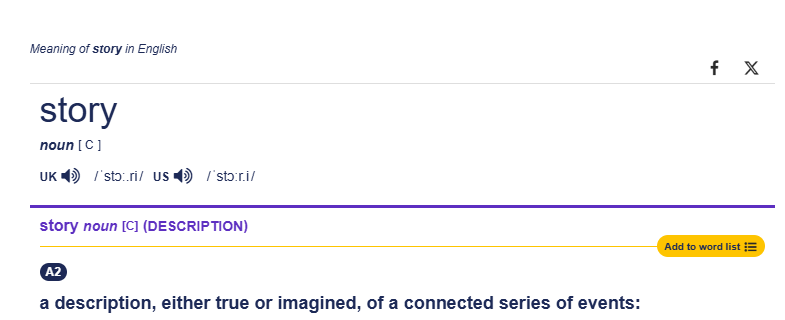
According to the Cambridge Dictionary, a story (singular of stories) is:
How Are Stories Presented?
Stories can be shown, told or presented to others in a variety of different ways including:
- Oral/verbal telling – either live or pre-recorded. This was the first way of sharing stories and came when humans first developed language, well before the written word.
- Through works of art – paintings, tapestries, sculptures, etc.
- Written words – Both in print and electronic. This can be books, pamphlets, ebooks, websites, emails, messages, etc.
- Images – photography or other still images.
- GIFs – Short animated files that have a repeating movement, sound or both.
- Songs/music/sound. This could include songs with words, music (with or without words) and sounds or sound effects.
- Body movements/gestures/language. Such as dance routines or playing charades.
- Video – TV, films, etc.
- Rituals, which may involve the making and consumption of food.
- Plays/other performances – where the story might be scripted or improvised.
- 3D cinema experiences.
- Some theme park rides.
- Through sense of smell.
- Computer games – many have stories that the player experiences as they play the different levels/missions within the game.
Why Stories?
Stories can have many purposes and many potential benefits including:
- Knowledge – helps people to remember information in a meaningful way. This is required for them to share this information with others.
- Can be used to teach others.
- Helps to create connection between people.
- Helps to create empathy between people.
- Helps people to consider new ideas.
- Helps people to experience new or different emotions.
- Helps people to express their thoughts, ideas and emotions to others.
- Entertains people.
- Helps develop imagination/imaginative play and can stimulate creativity.
- Develops problem solving skills.
- Helps people remember historic events, both good and bad, and the lessons from these events.
- Can help people to know their own story and share it with others.
- A way of sharing beliefs, values and cultural practices.
- Helps people to explore a range of concepts such as morals, values, beliefs, identify, etc.
- Can be used to process and heal from traumatic experiences.
- A way of safely sharing life experiences, without the other people having to directly experience the event(s) for themselves.
- A way to test someone’s cognitive functioning.
- Can improve vocabulary, concentration and listening.
- Can be used to influence others.
- Can be used to earn money for people to live on.
- Can provide a world for people to escape to when they have a difficult reality. Other words for this could be distraction or disassociation.
- Can help people feel less alone and isolated.
- Can give people hope for their future.
- Can help to reduce anxiety, stress and tension.
- Can improve relationships within communities.
- Can improve confidence and self-esteem.
The Power of Stories
Stories can have great power, sometimes being transformational to those that experience them. But the impact of stories varies greatly depending on a wide range of factors. This makes it practically impossible for storytellers to predict who, how or even if their story will have any impact on others.
Let me give you a few examples of stories and how they have impacted me to demonstrate what I mean:
Impact on Me
Made me admire Ruth Cocker Burks greatly. Made my share her story on my blog. Made me buy her book.
Made me admire Ida & Louise Cook greatly. Made me feel better about the world during World War 2. That there were some good people out there and that the history wasn’t just genocide/death.
Made me feel deeply sad for Matthew Shepard, his mother and his family. Made me imagine what his torture must have been like. Reminded me, that as a gay man, I have to be hypervigilant for danger. The world is not always a safe place for gay people. Told Matthew’s story on my blog, at a time when America seems to be going backwards.
Gave me hope that there are some really smart people out there who are motivated by the greater good/good for humanity rather than money and greed. This story gives me hope that diseases that are currently un-curable, might one day be cured.
Where Are Stories Shared?
As well as stories being presented in different ways, they can also be shared in different places, including:
- Traditional media – newspapers, TV, radio.
- Social media – all platforms.
- On messaging apps or via telephone.
- On other apps, such as ones for audiobooks.
- Websites – including Amazon, YouTube, Netflix, etc.
- At specific events, both work-related and social.
- In any community settings where two or more people can gather – coffee shops, supermarkets, libraries, community centres, pubs, etc.
- Within workplaces.
- Cinemas.
- At theatres, clubs and stadiums.
- At gyms, sport/leisure centres.
- On public transport.
- In a car.
- Practically any where and at any time, depending on how the story is being presented.
Who Can Present Stories?
Technically anyone can present stories to others. Providing that the others want to experience the story and are able to access it in the way that it is being presented.
However, we do tend to prefer stories from people and organisations that we feel we can trust.
When a storyteller wants to share a story with you, useful questions to ask yourself are:
- What is the storytellers agenda?
- Are they a biased?
- How much do I trust them?
- What are their credentials? (i.e. qualifications and experience related to the story).
- If the story is non-fiction, will they be giving you the correct facts/information?
- What is my past experience with this storyteller?
- What is your gut feeling telling you about the storyteller and the story they are presenting?
Storytelling Jobs
There are who industries set up around storytelling, think for example: any company providing the news, any company that does public relations, marketing or advertising.
But some more interesting storytelling jobs include: TV/Film Director, Comedian, Writer/Author and Actor/Actress.
Some of My Stories
Here are just a few of my stories:
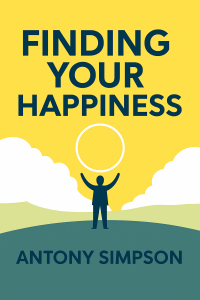
Finding Your Happiness is my story of how I discovered the knowledge, skills and practices to be happier. How I became the happiest that I have ever been.
I published this book to share the knowledge, skills and practices, because I believe that everybody deserves to be happy.
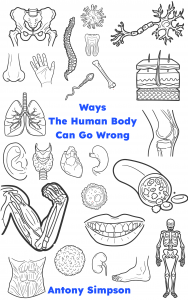
As an experienced Registered Nurse, I am aware of the many Ways The Human Body Can Go Wrong. So I’ve written this book to share stories with Doctors, medical students, Nurses and Student Nurses about how the human body xan go wrong and what treatments are available.
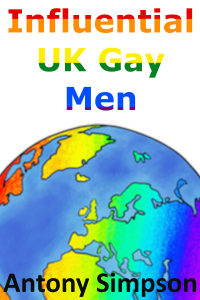
As a gay man, I wanted to share a list of Influential UK Gay Men, which I did in this FREE article, because have role models with influence really counts.
Useful Websites
- How to create a story structure – BBC BITESIZE
- Why are Stories So Important To Us? Part 1. By Dr Linda Berman
- Why Are Stories So Important To Us? Part 2. By Dr Linda Berman
- Storytelling – Benefits & Tips – British Council
- The benefits of storytelling – Social Care Wales
- The Power of Storytelling – Anne McKeowin
Write soon,
Antony