In the UK, in the 1980s (1984 to 1985 to be precise) Miners went on a strike that would last for a whole year, organised by National Union of Mineworkers (NUM). The Union was opposed the announcement of plans to close 20 pits/mines, starting with Cortonwood Colliery in South Yorkshire. The Union predicted that these 20 pits/mines closures would just be the start. Union Leaders suspected that there were plans to close up to 75 pits/mines and that this could lead to more than 20,000 people loosing their jobs.
Margaret Thatcher’s Conservative Government were in political control at the time of the strike. The Government felt that the Union had too much power and that the industry needed to become economically more efficient. Thatcher and her Government felt it was their duty to dilute the power of the Union and that efficiency could only be achieved through privatisation.
It wasn’t just the coal mining industry Thatcher and her Government wanted to dilute union powers and implement privatisation in. There were others too. Thatcher and her Government used the Police as their state enforcement arm, using the Police to aggressively reduce picketing, crush civil disobedience and to protect workers willing to work during the strike. This did an unimaginable damage to the relationship and trust between mining communities and the Police.
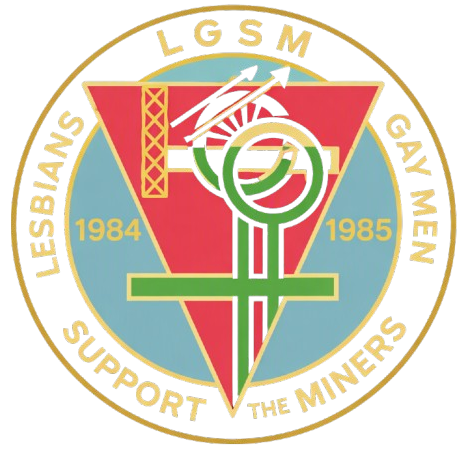
The Lesbians & Gay Men Support The Miners (LGSM) Groups
Two Activists, Mark Ashton and Mike Jackson, attended a talk by a striking miner and were inspired to set up the first LGSM group. Both Mark and Mike realised that the LGB community and mining community had a lot in common.
Both the LGB and mining communities were being vilified by the press, mistreated by the Government and Police, facing regular stigma and discrimination and were fighting for their communities. It made sense for both communities to support the other.
Mark and Mike started by collecting donations for the miners at London Pride. It should be noted, that in the 1980s, Pride events where not like they are today. They would be better described as Activist rallies, sometimes with a protest march. The community would come together and listen to speakers. Speakers would inspire and give hope – that things will get better for LGB people. Mark and Mike gave the money they raised to people in the mining community, helping them to survive with the very basics, such as food, housing and clothing.
Over time, the LGSM grew, with more LGB activists participating and higher amounts of donations being received. Both meant that the LGSM was able to support more miners and their families. The LGSM started in London, but soon, a further 10 LGSM groups were set up across the UK, by lesbians and gay men to support striking miners.
The Political Landscape
LGB people and striking miners may not seem like natural political allies. Even though, as I have written above, they had a lot of the same challenges (bad press, mistreatment by Government/Police and stigma/discrimination).
The are some reports that at the time many of the LGB community identified themselves as socialists, left wing or of similar views. This political leaning is not surprising really, given the daily challenges LGB people faced in the 1980s.
If you think about it, supporting the miners and their families would sit well and comfortably with LGB people’s believes and values.
What Happened Next?
The LGSM groups gave support and resources to the miners and their families freely and without any conditions or expectation of reciprocation. What happened next between the two communities was wonderful.
Members of the two communities got to know one another and develop meaningful connections. Prejudice and homophobia lessened. Lesbians and gay men gradually became not just tolerated, but accepted, fully, for who they are including their romantic and sexual attractions. For whom they love.
It is likely that societal attitude changes towards LGB people would have happened with or without LGB people supporting the miners. But supporting the miners likely massively increased the speed of this societal and cultural change in some parts of the Uk.
Why Is Knowing This History Important?
This history can remind us of the need to help one another, to be active within our communities and to reach beyond our communities for allies.
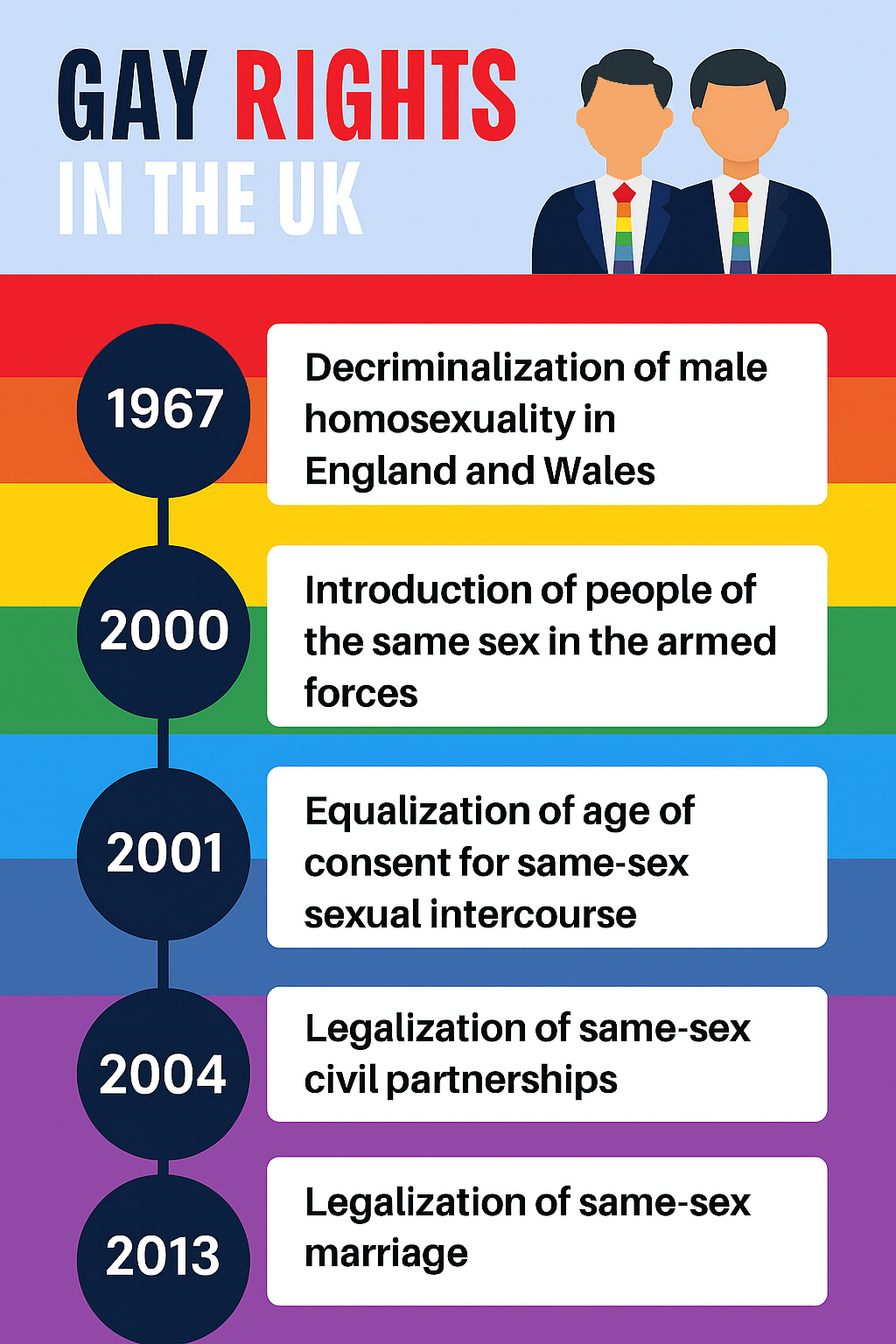
If we think about LGB people’s rights, we have only gained these due to having many straight allies. Rights including:
In the past few months, despite being ill (see Let Me Explain About The Monetising), I’ve managed to added significantly more content to my website. I’ve also made it much easier for both new and returning visitors to find content that they might like.
New Content
In this post, I’ll share both details of all the new content and how I’ve organised it. For new visitors I have added the Discover page that provides a list of links for new people to learn about me, my creative works and ways they can support me.
After YouTube recently removed my channel and videos, I decided to set up my own video channel page right here on this website. All of my video content can now be watched here: My Video Channel.
Improved Organisation
I’ve always been interested by and written content about a wide range of topics. I love the variety of topics that I write about. But I have come to realise that different content will appeal to different groups of readers/website visitors.
The amount of content I have created, along with how it was organised, made it difficult for readers/visitors to find the content that interests them. So I’ve developed the following Topic Content pages:
Each page contains a paragraph briefly explaining the topic, then a list of: Creative Works, Pages, Blog Categories/Tags and Blog Posts. Each page contains a gallery of Related Images and where available Related Videos. I am hoping that these Topic Content pages, help readers/visitors to easily find content around their interests.
Increased Interactivity
When I have analysed the statistical data around visitors to my website, I noticed that visitors are only spending a short amount of time on my website/blog. So I have made a real effort to make my website more interactive. I already had the newsletter, social media and contact pages. But I’ve also added:
A form where readers/visitors can tell me what’s good about this website/blog, what could be improved and allows them to star rate their overall experience. I am hoping that with a bit of promotion, many readers/visitors will complete this form, giving me a valuable insight to the sort of content they would like in the future.
Future Content
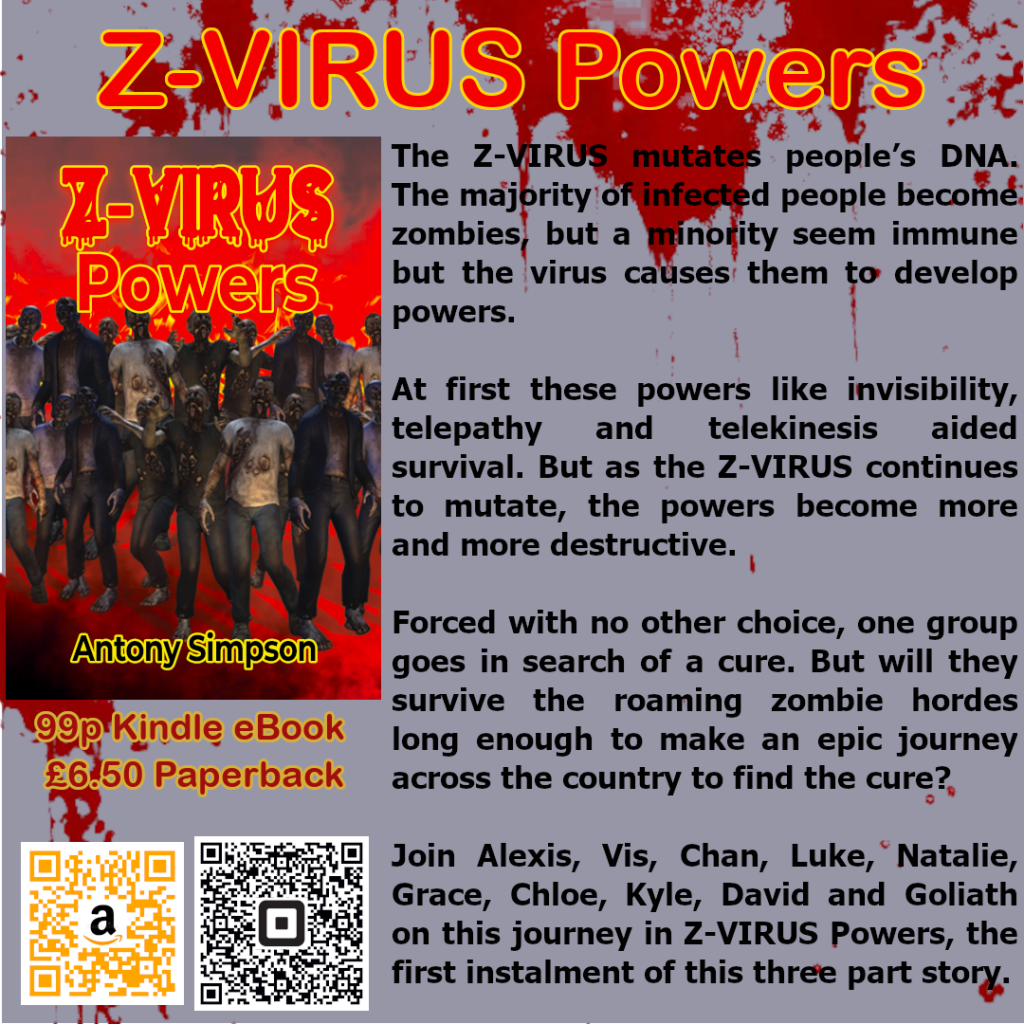
I currently have a list of ideas for future blog posts, pages and other content. I am also intending to start the planning and writing of Z-VIRUS Cure & Restore, which is due for release some time in 2027.
I’m furious with YouTube after they removed my channel without any warning and without any clear explanation as to why they have done so.
I have appealed and am hoping that they restore my channel and give some explanation as to why it was removed.
Most of the videos on this website are embedded from my Youtube channel. So for now, these videos won’t work.
I’ve always had a great experience with YouTube and up until this point always thought very positively about the company.
This experience has been a sobering reminder that social media platforms can remove my content or your content for any reason and at any time. With this in mind, I think regardless of the outcome of my appeal with YouTube, I’ll be moving away from using their platform.
In future, my plan is for all of my videos to be hosted on hosting for this site, with a specific My Video Channel page.