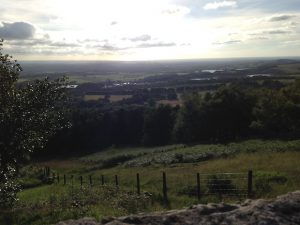
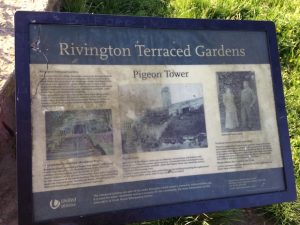
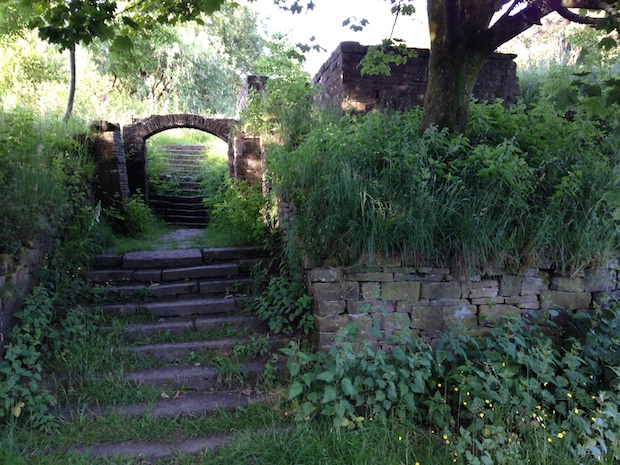
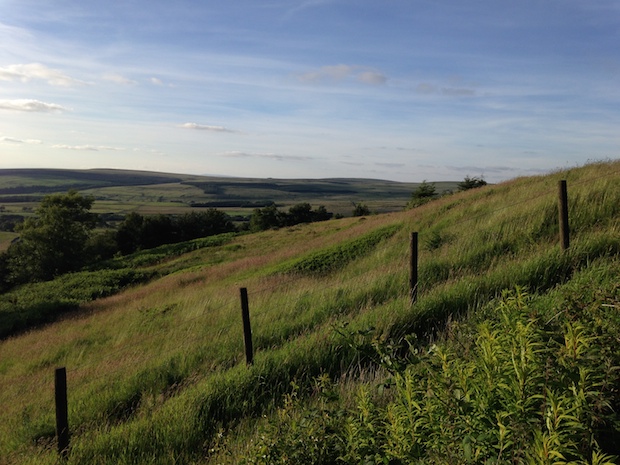
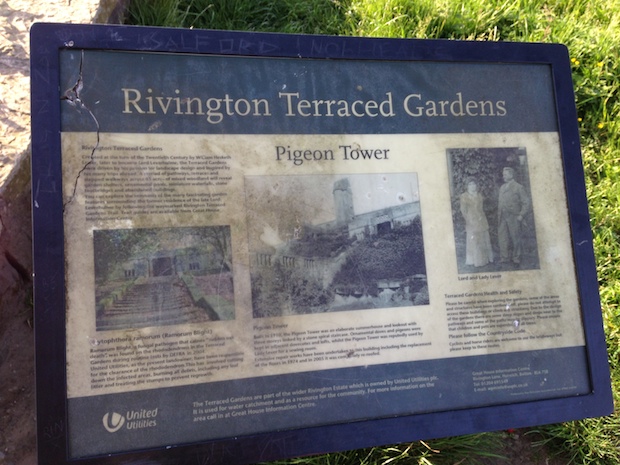
Boyfriend-A and I took a spontaneous outing to Rivington on Friday. It happened to be Litha, which is the longest day of the year. It was bright, warm and the perfect evening to explore Rivington. We spent quality time together and I also took the opportunity to appreciate nature.
I have previously blogged about Rivington and included plenty of photos. But I felt compelled to take some more photos of this beautiful place on Friday. So here are some of those photos (click on any image for full size):
As an avid Reader I have a list of writers I admire. The list is below and is split into genres. The writers are listed in alphabetical order by their surname’s, so the order doesn’t indicate the preference. Along with each Writers name (and link to their official website) is a bit of blurb as to why I admire them.
Her first novel P.S. I Love You shot to the top of the best seller charts and was later turned into a film. I admire Cecelia Ahern because the subject of all of her books is: the strength of the human spirit. Her books are also superbly written.
Room first novel of Emma Donoghue’s that I came across. I admire the concept of Room, along with the stylistic telling of the story. I must admit that I didn’t know that Emma Donoghue has written so many books or done the variety of writing that she has in her career. I may well pick up one of her many published books in the future. Related Review: Book Review: Room by Emma Donoghue.
She is most well known for her Shopaholic series. The idea really was just ahead of it’s time in terms of predicting the credit crunch. I admire her because of her appeal to a wide audience, her light and easy-to-read style and because she previously wrote in her real name: Madeleine Wickham.
After writing as Madeleine Wickham she took a break from writing and came back with The Secret Dreamworld Of A Shopaholic written as Sophie Kinsella. She used this name to see if she could get her work published as a new Writer and because her work was different than that of Madeleine Wickham.
She makes this list for her second novel Above. I admire Morley for this novel for so many reasons: it’s well written, it’s a great idea, it’s perfectly paced, etc. It’s the only book I’ve ever described as phenomenal. Related Review: Book Review: Above by Isla Morley.
David wrote One Day, a brilliant love story. I love a good love story so admire him for this story set over a lifetime. He has written Starter for Ten and The Understudy, both of which I want to read. He does some acting as well.
I discovered Ann Patchett through her novel The Magician’s Assistant, which I am currently re-reading. I admire this book’s brilliant opening line: “PARSIFAL IS DEAD. That is the end of the story.” Ann Patchett’s writers voice had me hooked from page one, till the very end. I admire her for writing this is a beautiful story and telling it expertly. Ann Patchett has since become a voice for independent book stores and authors which are other reasons for my admiration.
A friend introduced me to Trudi Canavan’s work and I’m so glad he did. I admire her intricate story telling and the sheer number of books and trilogies she has completed.
He is a good friend of mine, who is currently working on his first novel. His ideas, plots, characters and description are all exceptional. When his first novel is published it will be outstanding and I will be reviewing it here.
I admire Mel Bossa for her writing style and tackling of tough subjects. She must be given praise as a woman for writing exceptional gay stories. I discovered Mel Bossa through her book: Franky Gets Real. She is one of my all-time favourite writers and now has a string of books to her name.
Heidt writes lesbian literature. I admire her for her writer’s voice, style and the care readers come to feel for her characters. I’m currently reading her novel The Awakening. Related Review: Book Review: Sometime Yesterday by Yvonne Heidt.
Wrote Elements of Witchcraft: Natural Magick for Teens, which I read as a teenager and had a huge influence on my pagan practice. Her engaging writers voice and good use of language engages young people well. She showed me the path to working creatively with the elements.
She shows her passion for all things pagan with her engaging writing style. Edain McCoy has a number of titles published, but my favourite is Advanced Witchcraft: Go Deeper, Reach Further, Fly Higher. Many pagan books simply regurgitate the same basic information and offer nothing for someone who has been pagan for a number of years. In Advanced Witchcraft: Go Deeper, Reach Further, Fly Higher Edain McCoy showed that she knows what she’s talking about and offered me new ideas to develop my pagan practice.
Shows her personality in her writing style. She’s a strong, independent woman with attitude and her books are enjoyable, full of ideas and engaging. I like that she covers the darker side of paganism and witchcraft, not just the lighter side like many pagan/spirituality authors. A good example of this is her title Utterly Wicked: Curses, Hexes & Other Unsavory Notions. The first book I bought on magic was her Everyday Magic title, which I have read from cover to cover repeatedly.
I admire all Writers for writing. Not only are they creating something, but they are taking an emotional risk by sharing their work with the world. To write, edit and publish a novel also a major time commitment for the Writer.
I’ve noticed a theme about the Writers in this list. That is that many of them do a number of different creative activities. It might be writing in different forms (e.g. poetry, for TV, radio or stage) or do something completely different (yet equally creative) like acting, performance or artistry.
Which Writers do you admire and why? Leave a comment below.
Welcome to my yearly review. 2013 has been a great year; both for me and my creative writing. There’s so much to tell you about my writing that I’ve given My Awesome Year in Words it’s own post on my Writer Website. Here I shall focus on my personal life.
In February I went to a friend’s 50th birthday party and one of my nephew’s 18th birthday party. I undertook my February Photo Challenge.
March came along and I was on TV – Live To The Nation! Although an exciting, uncomfortable and anxiety ridden experience, it was also one of great learning. Educating me in the world of the media. And unbeknown to me at the time, it wasn’t going to be my last excursion into the media world this year. Oh and I got an iPhone 5.
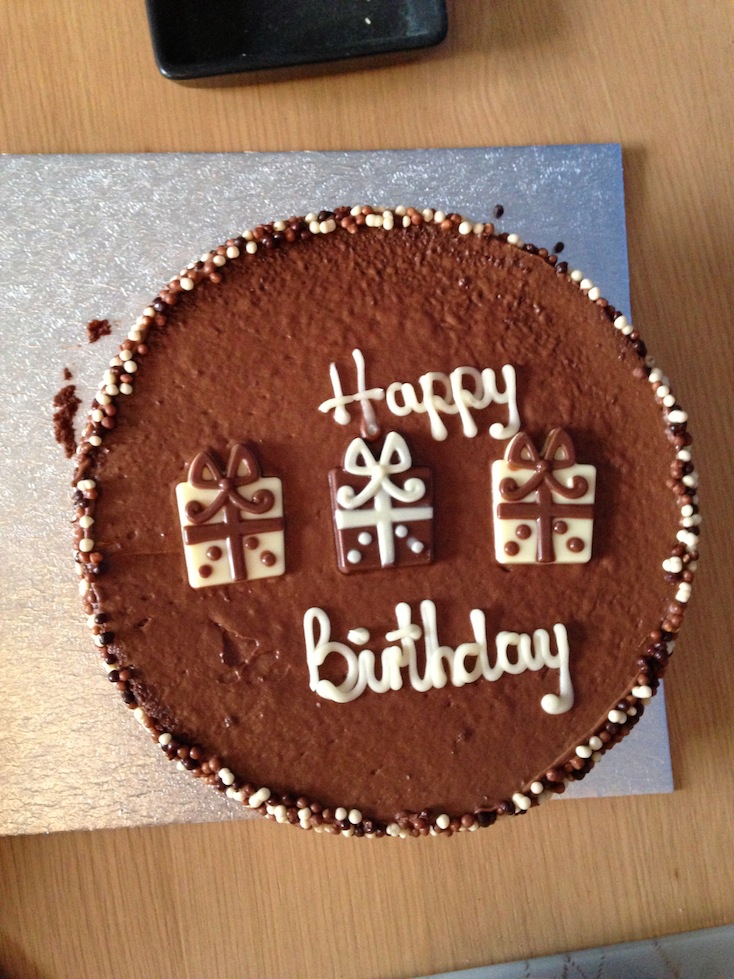
My Birthday Presents – Happy Birthday Cake
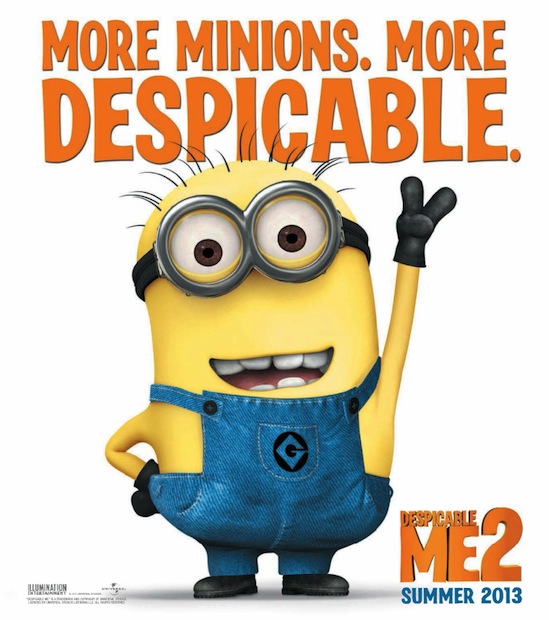
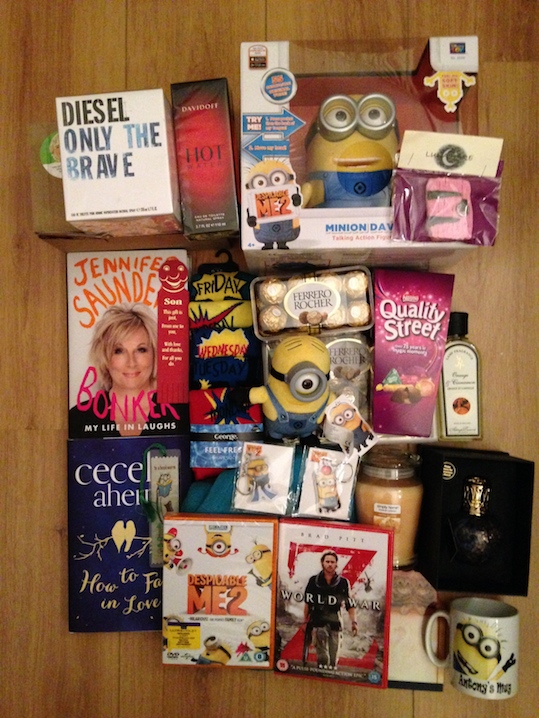
I did so much in May. I had a great Bank Holiday Weekend. I celebrated my twenty seventh birthday by seeing friends and family; they got me some fab Birthday Presents. I got an extra special birthday present off the wonderful Writer Mel Bossa. I had a Cumbria Adventure. I enjoyed this Get Lucky Cover, as well as the original song by Daft Punk.
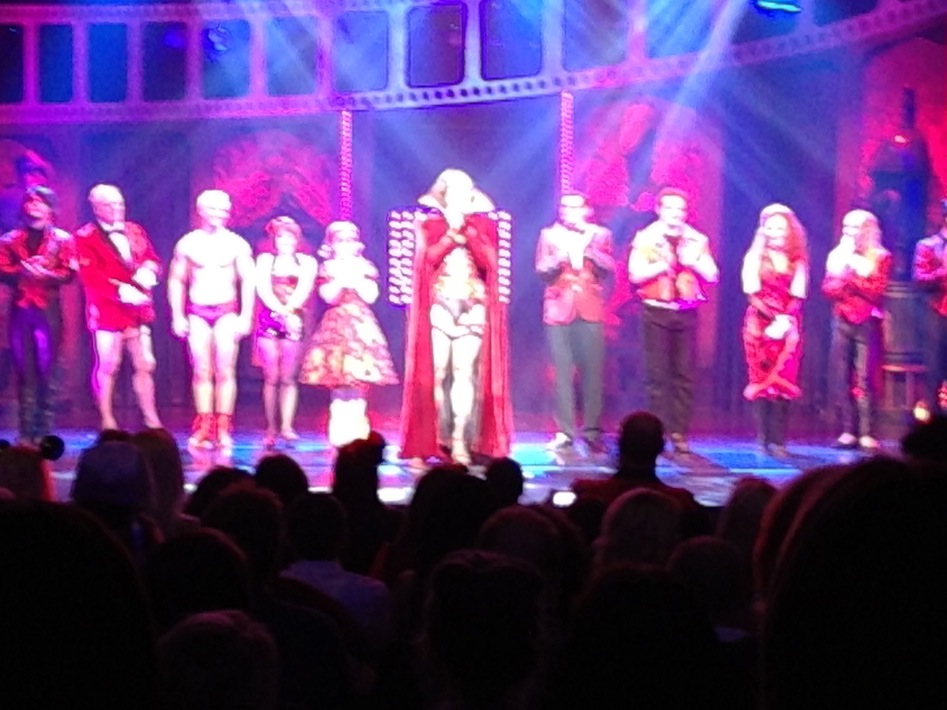
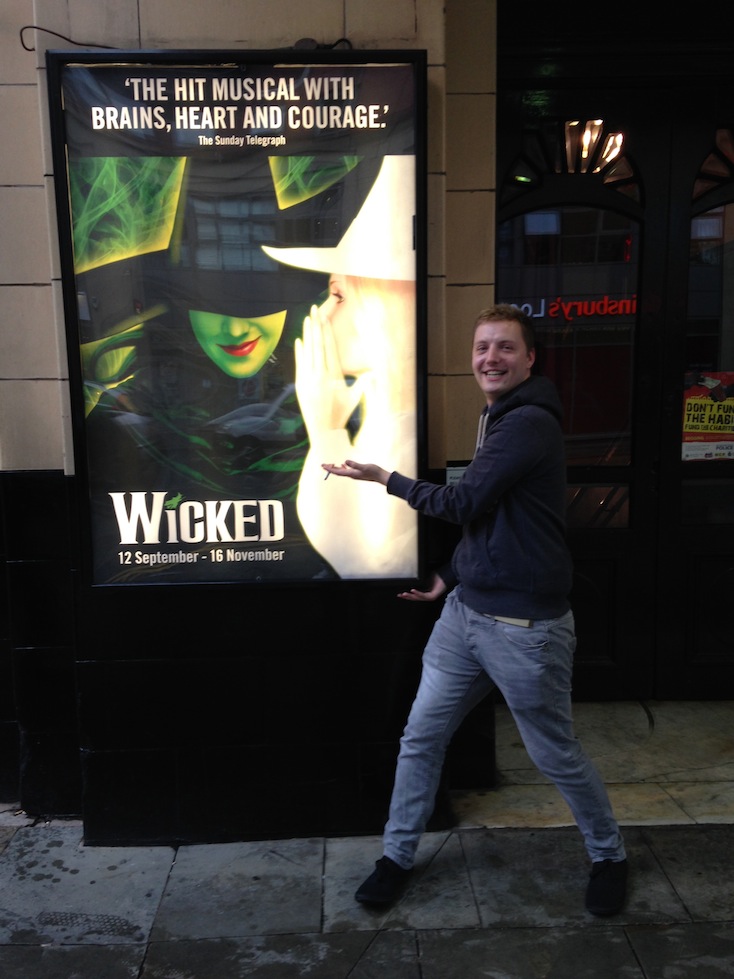
In October Steve and I went watching Wicked at Manchester Palace Theatre. I had a bug, got offered a job which I initially accepted and then later declined. My contract at work got made permanent. I got interviewed on BBC Radio 5 Live.
Christmas is a Christian festival, but a lot of its traditions originate from the older pagan festival of Yule. Yule or the Winter Solstice is on 21st December; it is the shortest day and longest night in year. From this point on days will begin to get longer. Pagans come together celebrate the return of the sun or re-birth of the sun God.
Lets have a look at 5 Christmas traditions and discover their pagan origins:
1. The Christmas Tree
The evergreen Christmas tree started with the pagans. They saw evergreen as symbolic of the eternal cycles of nature: birth, life, death and re-birth. The re-birth always being seen as a result of the sun’s return.
I remember decorating the Christmas tree when I was little. My mum would let me and my brothers decorate one side of the tree and then put that side against the wall. Or she’d let us decorate it and then strategically move all of the decorations to where she wanted them to be, before visitors began to arrive. As we got older, she simply refused to let us decorate the tree at all. Did anybody else’s mum do that, or was it just mine?
The decorations, like the round babuls in colours of red and yellow and the lights (before electricity candles were used) are all seen by pagans as representations of the sun God.
Christmas Presents
2. Christmas Presents
Pagans gave presents long before Christian’s came along, but on New Years Day rather than at Yule. The presents were often small and symbolic of a blessing for the year ahead.
Christian’s didn’t start giving presents until relatively recently. In Britain due to poverty and culture, Christmas presents didn’t commonplace until around the Victorian Era. There are records of wealthy people giving presents before then, but it was only some people and these were the upper classes of society.
(Image Credit: Paula McManus @ Flickr)
3. Father Christmas
Father Christmas or Santa goes back to the Christian Saint Nicholas. Saint Nicholas had a reputation for secret gift giving to children and for valuing children greatly.
But what show his pagan roots are the colours of his archetypal dress. When I think of Father Christmas, I think of Miracle on 34th Street. I imagine the scene in which Kris is putting on his suit for the first time. His red suit with white trim, black belt with golden buckle, his black boots and of course his red hat. These colours: red, white and gold are all associated with the pagan sun god, who is believed to be re-born on Yule.
(Image Credit: Sandlewood19 @ Flickr)
4. Kissing Under The Mistletoe
This time of year, mistletoe always seems to find it’s way to the office Christmas party. Hung in some precarious doorway, it can lead to an awkward moment of avoiding eye contact and pretending you’ve not seen it or to a drunken Christmas snog with the hottie from the IT Department.
Mistletoe’s pagan origins are as a symbol of fertility. Yule was a festival of fertility, by the very nature of it being the festival were the life-giving sun God is re-born. Often pagan’s would give mistletoe to those wanting to conceive.
(Image Credit: Steve Bird @ Flickr)
5. The Humble Robin
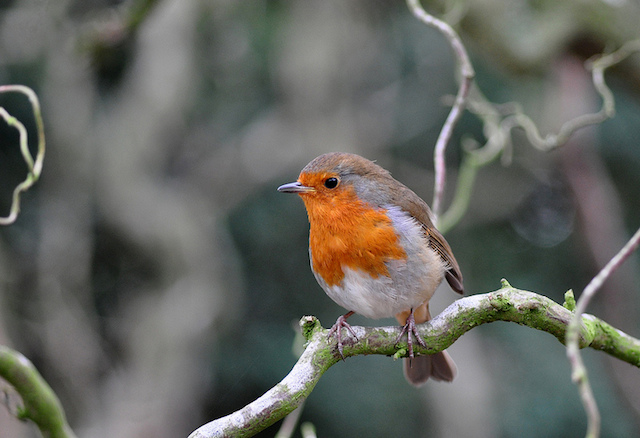
Every year I receive at least one Christmas card with the humble robin on. His pagan associations come from his striking reddy orange chest, a symbol of the sun and also in his ability to fly. His ability to fly means that he can leave and then return, very much like the sun God.
There you have it, 5 Christmas Christian traditions that originated from paganism. It’s not just Christmas that has pagan roots, Christian festivals throughout the year have pagan traditions and elements integrated into them.
Have a great Christmas or Yule, whichever you choose to call it and whatever religious belief system (or not) is.
Published by: The Gay UK on Tuesday 24th December 2013.