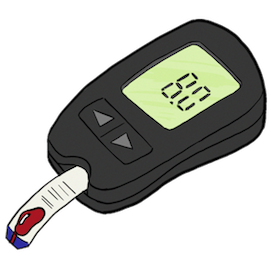
I was diagnosed with type 1 diabetes 19 years ago (in January 2007). I remember feeling really overwhelmed and isolated. Type 1 Diabetes is:
“a serious autoimmune condition that occurs when your immune system mistakenly attacks beta cells within the pancreas, which then stop producing insulin. As a result, glucose levels in your blood start to rise, and your body can’t function unless you replace the insulin.”
A type 1 diabetes diagnosis is life changing. Most people grieve for the loss of their health, whilst trying to learn to manage this complex medical condition. At times, managing Type 1 Diabetes can feel like a full-time job.
Despite around 270,000 people in England (NHS England – 2024, last accessed: 13/06/26) being diagnosed and living with Type 1 Diabetes, many people can still feel isolated and alone.
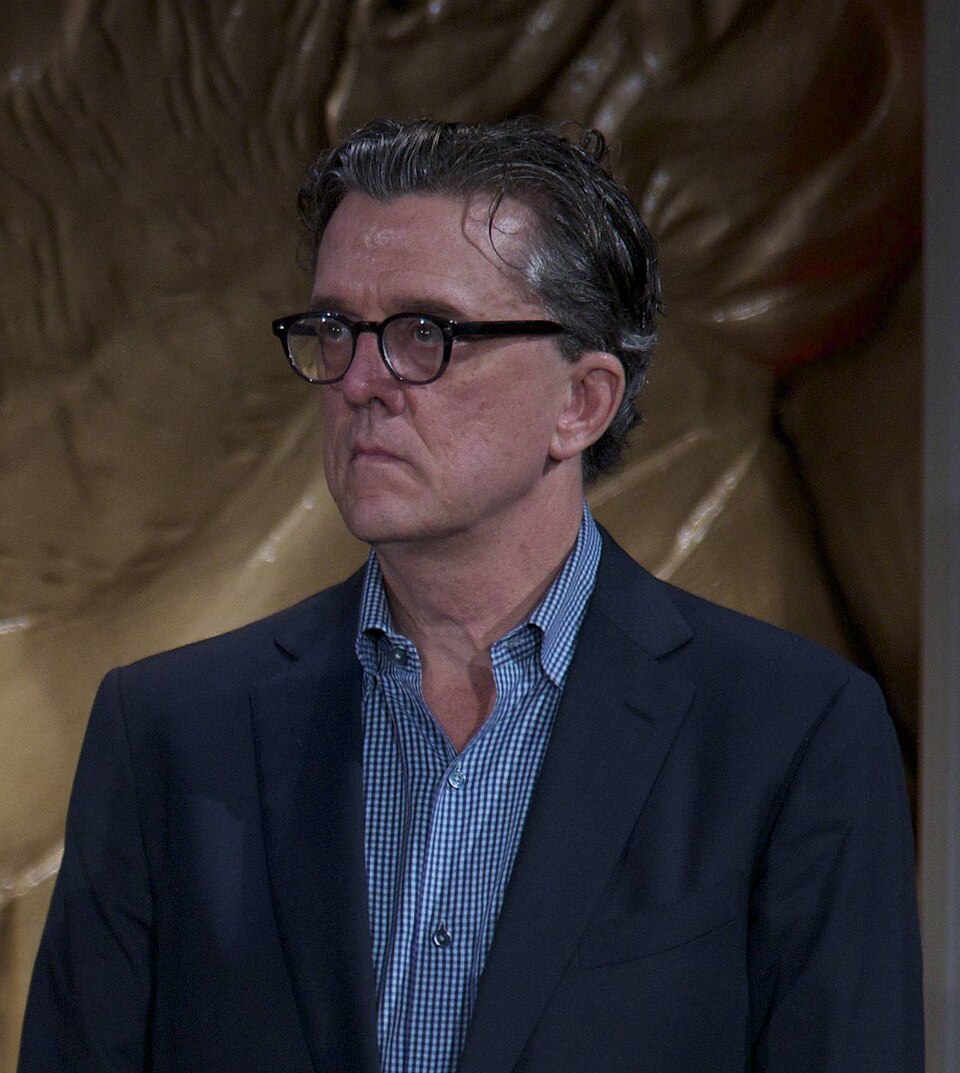
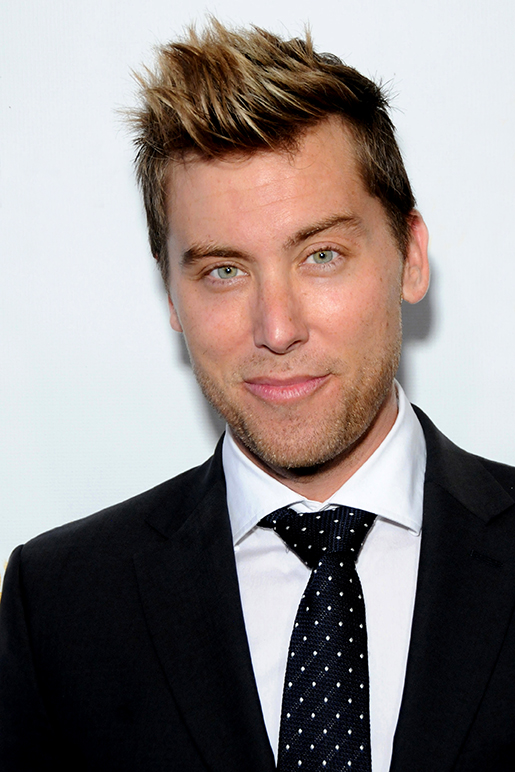
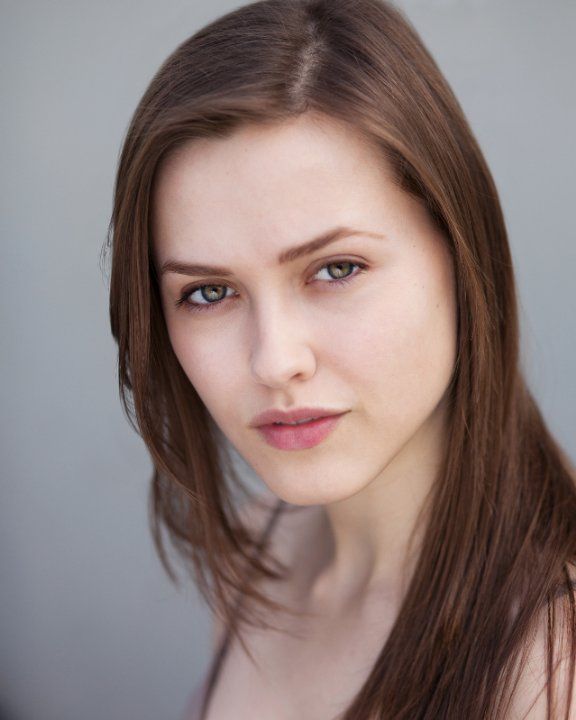
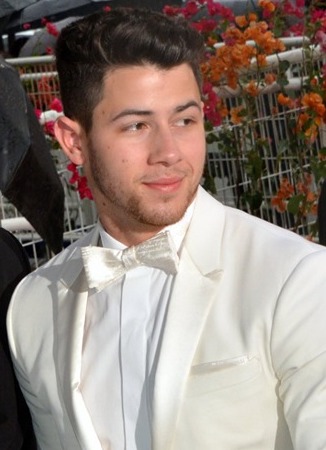
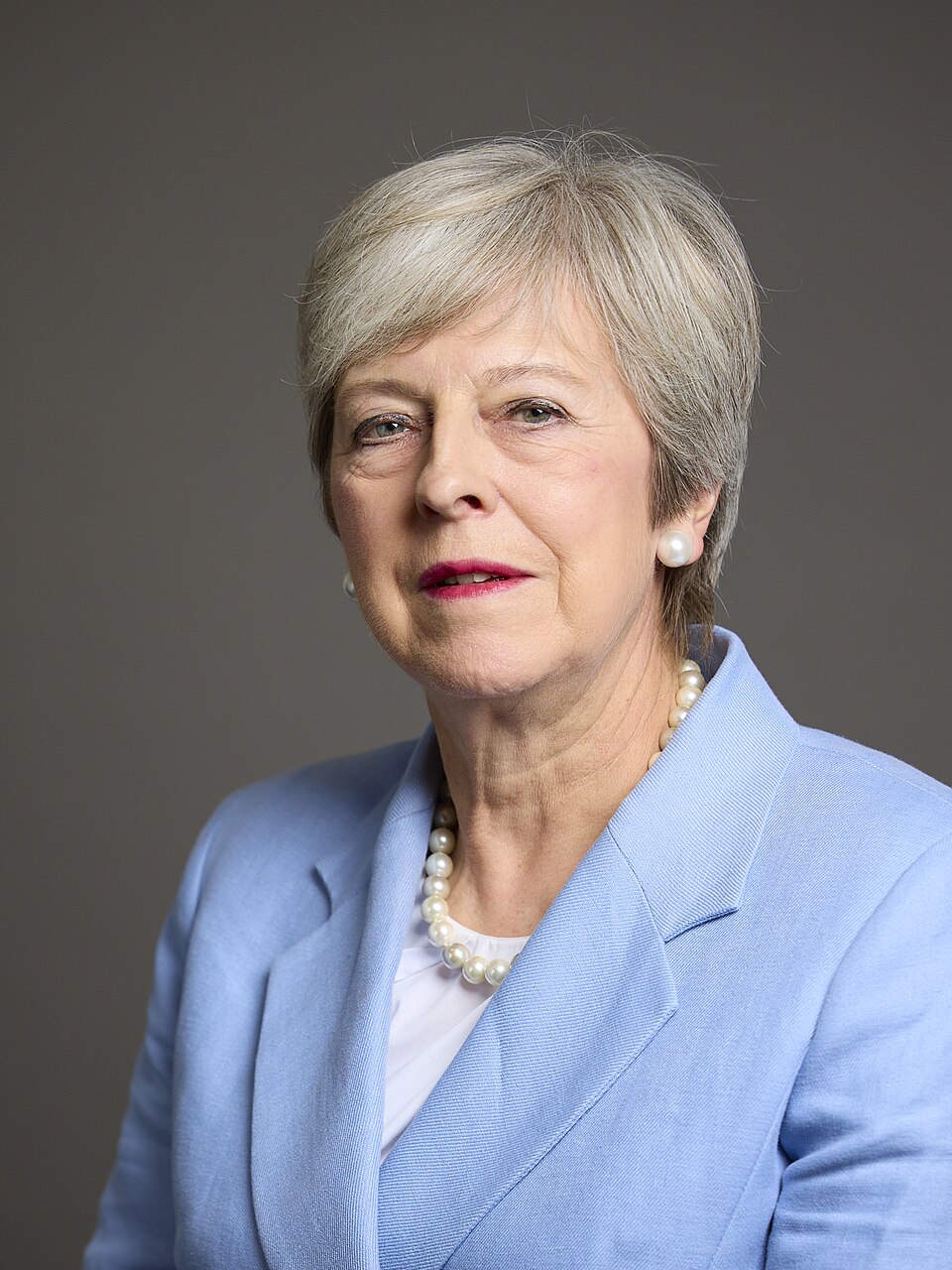
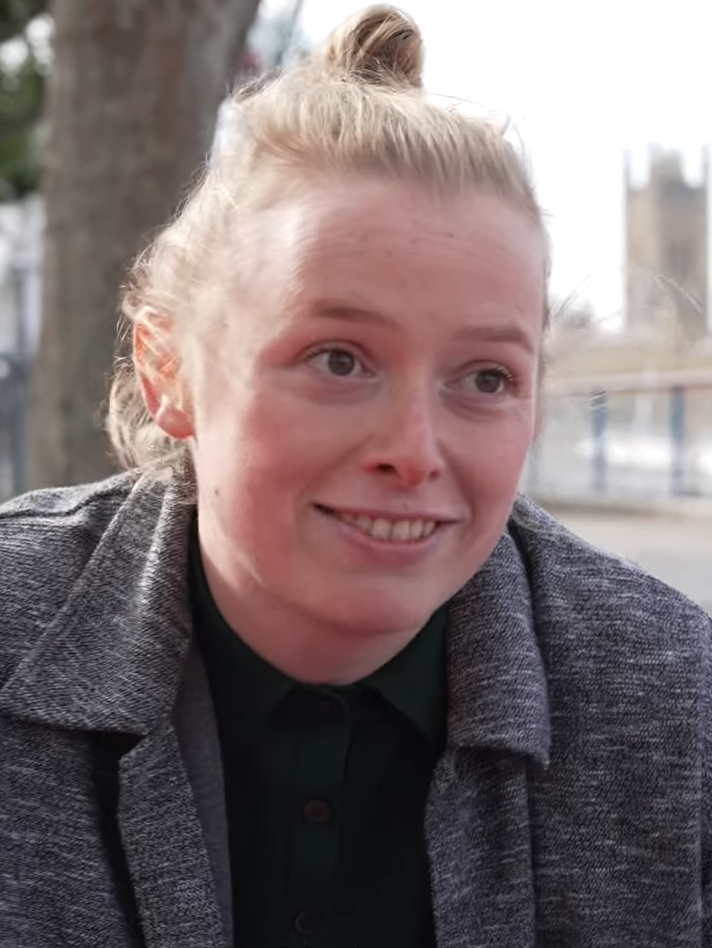
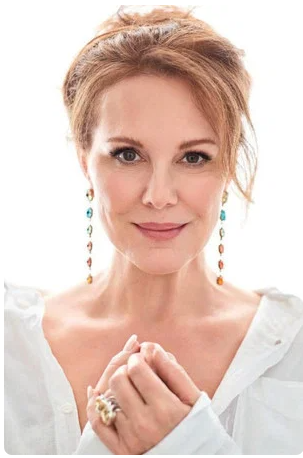
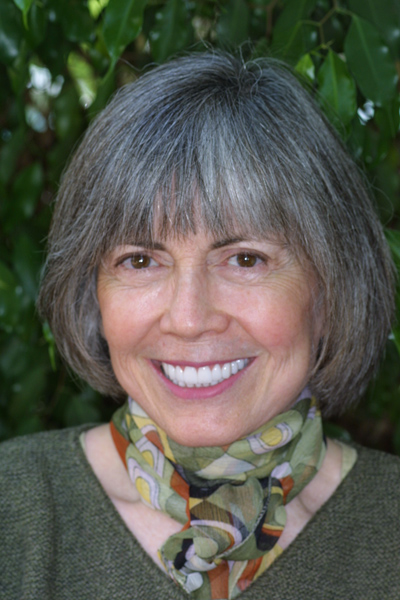
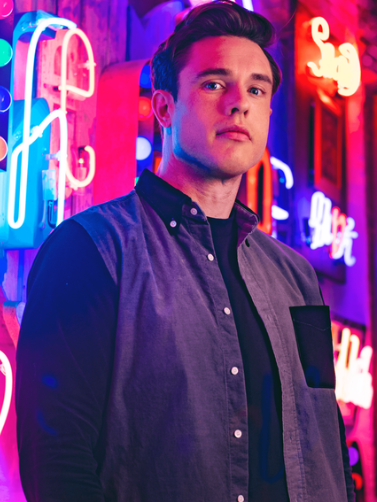
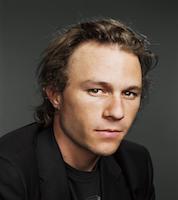
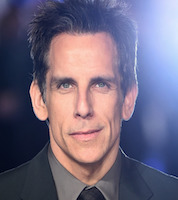
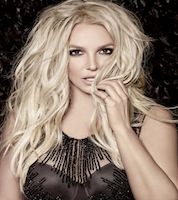
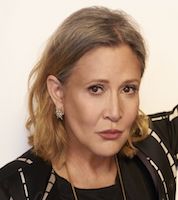
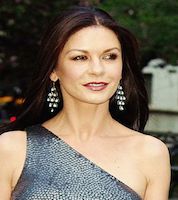
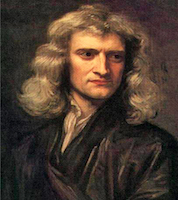
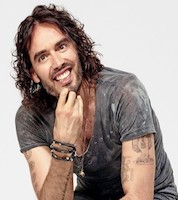
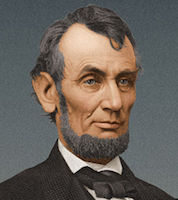
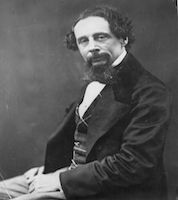
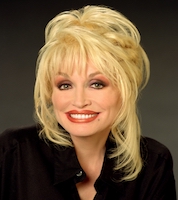
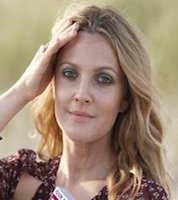
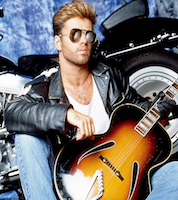
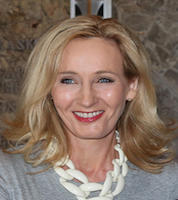
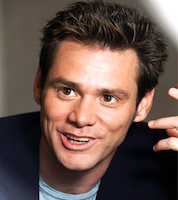
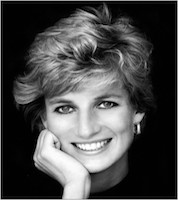
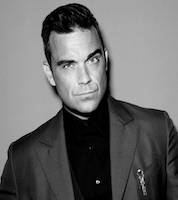
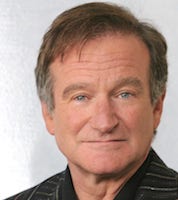
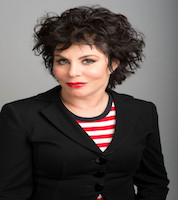
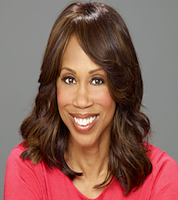
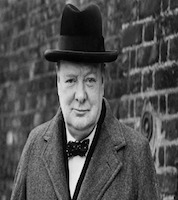
So I decided to create a list of famous people with Type 1 Diabetes. Hopefully it will make someone feel less alone and realise that anyone can be diagnosed with Type 1 Diabetes. It doesn’t matter a person’s age, gender, ethnicity, sexuality, social class or religion.
An even more comprehensive list of famous people diagnosed with Type 1 Diabetes, mostly populated by people from the USA, can be found on Wikipedia here.
I recently learned about the existence of substack. Substack is a platform that allows anyone to share creative content, including: written articles, images, audio (such as podcasts) and videos with the world. It allows people to subscribe to content creators accounts, in a model that allows both free and paid subscriptions.
Substack’s unique selling point (I hate that phrase!) seems to be that it is easy for creators to grow an audience and to make money from the content they create. Substack boasts that it only takes 10% of creators earnings from paid subscribers, giving the content creators 90% of their earnings. As substack is currently free for content creators to use, it means that substack only make money when content creators do.
As a Writer, I can see the advantages of substack, which include:
It is currently FREE, there is no monthly subscription cost, meaning that content creators won’t be left out of pocket. This means that content creators won’t have to pay for domain names, hosting, etc.
It appears quick and easy for content creators to set up, use and maintain.
No technical knowledge required by the content creators – no knowledge of website design and functionality.
It has features that are designed to grow a content creator’s audience, such as notification of new content to subscribers.
Substack claim tens of millions of content consumers every week, which in theory means a massive audience. However, they don’t state how many paid subscribers they have on the platform.
It allows a variety of different types of content in one post.
Substack allows quick reactions (love heart icon) to content, re-posting/sharing content on the platform and discussion via comments.
But substack also has a number of disadvantages, which include:
Substack isn’t the only company to have this idea. Patreon is its direct competitor, who have been around longer (Patreon launched in 2013, substack launched in 2017). In some cases Patreon takes less of a percentage of subscription earnings from content creators than substack.
The market for paid content through a subscription is uncertain. As is the amount of money that content creators could make. When I refer to content here, I refer to content that is not of an adult-only nature (by this I mean not pornographic). It is safe to say the market for adult-only content exists and that some content creators are currently making good money from this sort of content. However even with this sort of content, some content creators are saying that the market is saturated and that they are making less money than they used to.
Substack is a business with costs and a pressure to make a profit. This could mean that at some point it stops being free and content creators get a monthly subscription fee, even if content creators aren’t making any money from the platform.
Substack could may also decide to look for other ways to generate revenue, including but not limited to advertising.
Substack could go out of business and creators could loose the platform and possibly some or all of the content they created.
Substack allows any creator to post any content. This means that content posted on substack will have less credibility with the audience and may erode the content creators credibility and reputation.
Substack doesn’t have any quality controls. This means that content could be factually incorrect, biased, misleading or completely inappropriate.
Substack has a history (at least according to Wikipedia) of not taking enough steps to protect users data due to privacy breach in 2020 and then a security breach in late 2025.
Substack lacks the ability for content creators to customise much of how their content is viewed. This might not be that important for written words, but could be incredibly important for other types of content.
Substack appears to let AI generated content on its platform, which will significantly impact human content creators. AI content may also make a number of content consumers avoid the platform all together.
For both content creators and content consumers there are more disadvantages to using substack, than advantages. But in order for me to justify my opinion that substack won’t replace WordPress, I need to write about WordPress.
WordPress (WordPress.com & WordPress.org) was launched in 2003 as a blogging platform. It has grown and developed over the years. Today 40-60% of all websites use WordPress.
I have used WordPress for my personal blog and website since 2008, although I remember experimenting with it well before then. WordPress can do everything that substack can, although some functions/features would require plugins.
WordPress initially started as a community platform, but as it grew it became more commercialised as it pivoted towards business users. This brought paid themes and paid plugins. Later, it brought paid subscriptions for some themes and plugins, paid on either a monthly or annual basis.
The choice WordPress developers and other non-official developers made to pivot towards businesses meant that they could earn money from their work, which you could liken to a content creator. This is great, they should be paid for their work.
But it means that the core WordPress platform, without any of the paid themes or plugins is limited for content creators. Content creators, especially those trying to build an audience that are willing to pay for their content (like myself) just don’t have the money to spend to get the functionality/features currently being offered for free by platforms like substack.
I am a Writer. I write this blog, books, articles and short stories. I write this blog because I enjoy writing. Writing this blog is a hobbie and I am happy to give away the content for free.
But my more substantial content like my books, articles and short stories, take me a considerable amount of time, energy and work to create. I believe that they have monetary value and that it is fair to ask for a small amount of money in return for them.
I am truly appreciative of everyone who reads something that I write, whether that be on my blog, or through one of my books, articles or short stories.
But the WordPress platform, without the paid plugins makes it difficult or in some cases impossible for content creators to:
Help you to find your audience.
Help you to grow your audience.
Help you to keep in touch with your audience.
Help you to take payments for products (whether that be physical or digital).
Help you to offer subscription services.
WordPress has dominated the market when it comes to Writers, for a number of years. But one of my hopes, is that services like substack cause WordPress developers to add some functionality/features into the platform that address some of the difficulties faced by content creators who can’t afford to buy the paid plugins.
Conclusion
I use the WordPress platform through a self-hosting company and have a domain name to help people to find my website. This costs me £25 per month. But due to the lack of functionality/features in the WordPress platform (without paying more money for plugins), this website costs more to run than any money I’ve ever generated through it.
But despite WordPress’ limitations, I think it will be around long after substack is a distant memory. Substack appears very good at marketing to content creators. But to me its business model seems to have far too many flaws. Their business model is based on an idea that people are willing to pay for content. But there isn’t any good data on:
Whether people are willing to pay for content.
What sort of content people are willing to pay for.
The number of people who are willing to pay for content.
How much people are willing to pay (or can afford to pay given the global economy) for content.
If substack can generate enough income to not only meet the costs of operating, but also make a profit.
The impact AI will have on content creators and their audiences.
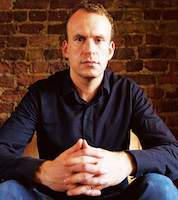
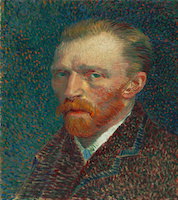
Below are a list of famous people who have experienced mental health illness (in alphabetical order and by condition):
Anxiety and depression often coexist. Bipolar is characterised by episodes of mania which can include anxiety and episodes of depression. So although many of these people could fit under more than one mental illness, I have placed them in the condition that I feel bet fits.
Support
I recognise that people visiting this page/post might want to know where they can get support. If you require support around your mental health, addiction or physical health, see this Support page here.
I know there’s loads of famous people who have experience of mental illness who are not on these lists. If you feel compelled to tell me whom I’ve missed off, please leave a comment below.
The point of this blog post is to show someone experiencing mental illness that they are not alone. That they are among the great and the good.
I recognise that people visiting this page/post might want to know where they can get support. If you require support around your mental health, addiction or physical health, see this Support page here.
In this three part blog post series, I’ll be sharing some of what I’ve learned about creative writing over the last few years.
I want to start this blog post with a short video, which is just over a minute long. In this video Stephen King describes a magic moment after reading a book where you think to yourself: This really sucks. I can do better than this. This magic moment is usually the trigger for someone starting to write creatively. But what drives a Writer is a need or deep desire to tell a story.
The idea should be imaginative and well thought out. No idea is original, everything has been done. But what makes new literature unique, is the Writer’s showing and telling of the story. The unique voice of the Writer.
2. Scope & Size
Consider the scope and size of the story before you begin. According to Wikipedia here are approximate recommended word counts for different types of creative writing projects:
Short story – under 7,500 words
Novelette – 7,500 to 17,500 words
Novella – 17,500 to 40,000 words
Novel – over 40,000 words
(From: Wikipedia, Last Accessed: 11/02/2016)
I would add in word counts for the following:
Blog Posts – Up to 1,500 words
Flash Fiction – 200-300 words
Poems – Unknown, but generally quite short.
Music Lyrics – Unknown.
If journalism is your thing, online magazine The Gay UK has submission guidelines for word counts. They are as follows and likely to be inline with industry standards:
Reviews: 300 – 500 words
Interviews: 1000 – 2500 words
Columns: 400 – 1000 words
News item: 500 – 900 words
Top List: 300 – 500 words
These word counts are not set in stone, you are allowed to be a little under or be a little over. But if you are hundreds, or even thousands of words over, then the scope of your idea is either too big or you are likely to have overwritten and will need to cut in the editing. Editing will be discussed in detail in the next blog post of the series.
If you are planning to submit a piece of creative writing somewhere, ensure you know the word count limits before you start and adhere to the word count. It is unlikely that the person or people reading submissions will read a piece of work over their stated word count. No matter how good it is.
Next let’s discuss essential elements of any story.
3. Characters
Characters should be:
Believable.
Interesting.
Flawed.
Have room for growth and grow throughout the story, or the part of the story that they are in.
Be three dimensional and as complex as any person that you know.
Characters don’t have to be likeable or liked by the reader. In books that I’ve read, some of my favourite characters are bastards. If people read your work and care for your characters, you’re doing well. If readers are disinterested, don’t care, are irritated or frustrated by your characters, then you have some more character development work to do.
4. Storyline / Plot
Every story should have a Beginning, Middle and End. There needs to be conflict and resolution. Plot should be captivating. It should not have long periods where nothing happens. Be aware of genre conventions. It’s okay to make the reader work for the story, but don’t make them have to work too hard. Bare in mind The Seven Basic Plots:
If your story is set in the past, another country, or has a character with specialist knowledge you as the Writer need to do the research. You need to make yourself an expert in subject matters related to your story. Although you need to be an expert, you don’t need to show or tell the reader everything that you know.
6. Perspective
The choice of perspective is really important when writing any story. You can show and tell the story from character’s perspective, omniscient perspective or from several perspectives. A good article on perspectives is available here: The Writers Craft – Point of View in Literature.
7. Pacing
Pacing is bit of an art. Elongated sentences with detailed description helps to slow down a scene. Whereas, short. Sharp. Snappy sentences speed up scenes. Short sentences are ideal for action scenes.
8. Other Tips
You should write lots. Every day if possible. Writing, like anything, people get better at the more they practice it.
Get the show and tell balance right. Generally show more than you tell.
Your story should have hooks, things that grab the readers attention and encourage your reader to read on.
As a Writer you should read lots. Especially in the genre you wish to write in. If you’re unsure what genre you want to write in or type of story you want to write, read a variety. But don’t just passively read. Study the things you read. Look at the elements mentioned above, along with what you liked and disliked about the work. Try to understand:
What did the Writer do? Did they do it well or not?
Where in the piece of work did the Writer do what they did?
Why the Writer might have done what they did?
How did the Writer do what they did?
In the next blog post of the series, I’ll be writing about keeping going, the development of the Writer’s voice and the importance of backing-up your work.
Want to share your thoughts on writing? Leave a comment below.