Mental Health

There’s Nothing Quite Like Tooth Pain
Reading Time: 3 minutes

Last weekend, I had a Rituximab infusion aimed at keeping my vasculitis in remission. Then on Tuesday I started with pain in my lower jar and noticed that part of one of my wisdom teeth had broken away. I got an emergency Dentist appointment on Wednesday and had to have the tooth extracted.

Before the extraction and since, I’ve had pain in my lower jaw and face. There’s nothing quite like tooth pain is there? This actually reminds me what I’ve written about pain, in FINDING YOUR HAPPINESS:

Your Pain

Part of being alive is experiencing pain. There are different types of pain. Pain can be physical, mental or emotional. Any type of pain reduces your quality of life and will make you less happy.

You should address any pain promptly, to prevent it from getting worse and to promote healing.

Physical Pain
Physical pain is often managed, rather than cured or healed. Pain management can involve medications, exercises and sometimes surgery. Physical pain can be acute (coming on suddenly and is short term) or chronic (long term).

Acute physical pain is a sign that something is wrong inside your body. Chronic pain is caused by diseases and disorders inside your body. If you’re in physical pain, I highly recommend that you see your GP.

Your GP will complete an assessment, tests/investigations to work out the cause of the pain and work with you to develop a treatment plan.

A good example of physical pain is a broken leg. Imagine you fall and break your leg. You are in pain and seek medical attention. You have an x-ray that confirms the broken bone. You have surgery to repair it.
After surgery you have a period of immobilisation to allow the bone to heal and then have physiotherapy to regain muscle strength.

Within 3-6 months you are back to doing everything you used to do before the injury. Walking, running and dancing. Your leg is healed. You are healed.

Mental Pain
We don’t know enough about mental pain. Sometimes mental pain is managed, sometimes it is healed.

Mental pain is caused by mental illnesses. Sometimes mental illnesses run in families, suggesting that the cause could be genetic. Sometimes mental illnesses are caused by life events.

There are many different types of mental illnesses, some are acute and some are chronic. Examples of mental illnesses include anxiety, depression, bipolar and schizophrenia.

It can be difficult for a doctor to diagnose mental illnesses due to similar symptoms. Even Psychiatrists (doctors that specialise in mental health) have difficulty diagnosing mental illnesses.

Diagnosis of mental illnesses can take a significant amount of time. There’s no blood test or scans that can be completed to confirm whether an individual has mental illnesses or not, let alone which specific mental illness they have.

I would highly recommend that you see your GP if you are experiencing mental pain.

If you’re experiencing mental pain, don’t wait for a diagnosis. Start to manage your symptoms immediately, to the best of your ability.

In some cases people can fully recover from mental pain/illnesses. Whereas in other cases it is about long term management of symptoms.

Recovery from mental pain/illnesses doesn’t have set timescales. It usually takes months to years, depending on the individual and the circumstances. But every year many people do recover from mental pain/illnesses.

Emotional Pain
A conversation about emotional pain in western healthcare is not currently happening, but it needs to.

Symptoms of Pain
With all types of pain you will have a combination of physical, mental and emotional symptoms. Let me give you an example of this from my own life.

I once had severe stomach pains. They’d come and go, but were incredibly painful when present. I went to see my GP and had a range of tests/investigations. Everything came back normal.

However physically, my body always felt tight. Sometimes my chest felt tight, like it was difficult to breathe. At these times, my heart beat fast and I sweated excessively.

Eventually my GP diagnosed me with anxiety, a mental illness. I was prescribed medication and referred for therapy. It took several years, but I came to realise that my anxiety was often caused by my emotional state. Fear seemed to frequently trigger my anxiety.

I realised that in order to effectively treat my anxiety, I needed to address the fear. So that’s what I did.

Whatever symptoms of pain you have it is essential that you work out what it is and address the cause(s).

(From: FINDING YOUR HAPPINESS by Antony Simpson, 2026, pages 55-57.)

I’m currently on antibiotics and prescription painkillers. So I will be taking it easy this weekend.

Blog soon,

Antony

Share on Social Media:
Health, , , , , , , , , , , , , , , , , , , ,

Unsafe Places to be a Gay Man

Reading Time: 3 minutes

Imagine living with a secret that could get you killed. Imagine the lengths you would have to go to to keep this secret. Imagine growing up being told that people like you are unnatural and immoral. In these circumstances how would you cope? How would you protect your mental and emotional health?

What I’ve just described is the life of some gay men in some places. They aren’t able to choose who they love. They face being disowned by their family and friends, assaults, criminal prosecution and potentially even being sentenced to death. Just because of who they are and who they are attracted to/fall in love with.

In the UK, gay men have equal rights in law and attitudes are becoming more positive towards gay men. But this wasn’t always the case.

Just fifty years ago, being gay was illegal in the UK. Gay men weren’t out, they couldn’t marry their male partners, couldn’t adopt children as a gay couple and couldn’t give blood.

If fifty years ago a gay man had come out and told people of their sexuality they would face legal consequences (such as being locked up in a mental hospital or worse chemical castration). They would face being disowned by their community (if not driven out of it), become the repeated victim of crime, experience unsympathetic and homophobic Police, experience discrimination when buying goods or accessing services, be unable to get employment and many other negative consequences. All because they’d been honest about who they are and who they are romantically attracted to.

Given this history of prejudice and discrimination (both on individual and institutional levels), it’s not surprising that coming out is a big event for gay men. Gay men who do come out show emotional vulnerability, driven by a desire for loved ones to fully know them and a hope that they will accept them for who they are. It explains why some people gay men will never come out and take the secret of who they are to their grave.

It also explains why gay men often have mental health issues (including being at greater risk of suicide), low self-esteem, problems with addiction (self-medicating difficult emotions such as shame or fear) and generally worse health outcomes than heterosexual people. There’s a lot of shame, self-loathing and unhappiness in the gay community. It is currently getting better in the UK, with younger generations of gay men experiencing these issues to a lesser extent.

But around the world there are many places where it is extremely unsafe to be a gay man. Where gay men still have to hide who they are. I think it’s really sad that gay men have only got equal rights in some countries, but not others.

Here are some countries where it is unsafe to be a gay man and what the legal consequences could be for coming out. An out gay man in any of these countries would likely experience the same prejudice and discrimination that an out gay man would have experienced in the UK fifty years ago. This is by no means an exhaustive list. Just some of the main countries I found out about whilst doing research for this blog post.

CountryLegal Consequences
EgyptUp to 17 years in prison, with or without hard labour.
MoroccoUp to 6 years in prison, with hard labour.
Tunisia3 years in prison.
Ghana3 years in prison.
NigeriaUp to 14 years in prison. They have the death penalty in some parts, but it is apparently not used.
KenyaUp to 14 years in prison.
Saudi ArabiaVery barbaric. Death penalty, or prison. Fines and floggings.
United Arab EmiratesPrison time. Minimum 6 months, but no upper maximum amount of time (up to the Courts).
Bangladesh10 years to life prison sentence.
MaldivesUp to 8 years in prison.
Pakistan2 years to life in prison.
Sri LankaUp to 10 years in prison, plus fines.
Malaysia20 years in prison.

What struck me after I compiled the list above, is that for some people, their holiday destination might be listed. I wonder if the people going on holiday to these places realise how they treat gay men there? Just a thought.

If you enjoyed this blog post, you might enjoy my Influential UK Gay Men article which is available as a free download here.

Write soon,

Antony

Support

I recognise that people visiting this page/post might want to know where they can get support.
If you require support around your mental health, addiction or physical health, see this Support page here.

Share on Social Media:
Gay, Thinking, , , , , , , , ,

Physical Symptoms of Anxiety

Reading Time: < 1 minute

Anxiety UK defines anxiety as:

Anxiety is typically described as a feeling of apprehension or dread in situations where there is no actual real threat and is disproportionate to the situation faced.  Unlike stress, anxiety persists even after a concern has passed. In some cases, anxiety can escalate into an anxiety disorder and can affect day-to-day life.

Recently I’ve been experiencing episodes of anxiety. Here is a list of physical symptoms of anxiety:

Anxiety can affect anyone and can be quite debilitating. It usually has a trigger. In my case there has been several concurrent triggers. You can get diagnosed with anxiety and treated for it.

Treatment for anxiety can include medication and/or counselling therapies.

If you want to know more about mental illness and mental health check out my book, Mental Health Wisdom – Developing Understanding & Empathy:

mental-health-wisdom-banner

Take care, write soon,

Antony

Support

I recognise that people visiting this page/post might want to know where they can get support.
If you require support around your mental health, addiction or physical health, see this Support page here.

Share on Social Media:
Health, , ,

10 Books I’ve Read That Have Stayed With Me

Reading Time: 3 minutes

Here are 10 books I’ve read that have stayed with me:

10) Mum Can You Lend Me Twenty Quid? By Elizabeth Burton-Phillips

This is a book written by the mother of two twin drug addicts. Elizabeth Burton-Phillips takes us on an emotional journey, as she describes what drugs did to her family.

Read The Review

9) The Magician’s Assistant by Ann Patchett

Sabine looses her gay husband, but is about to find out hidden family secrets. This beautifully written novel is fantastic and the characters have stayed close to my heart.

Read The Review

8) Born This Way by Paul Vitagliano

This book shares childhood stories and photos about growing up gay, mostly in the USA. What was great about this book, is how life affirming it is at making you feel less alone as a gay man.

Read The Review

7) In His Secret Life by Mel Bossa

This is a wonderfully written gay love story set over decades, with if I remember correctly an eventual happy ending. It was so great to read of a gay couple where love triumphed.

Read The Review

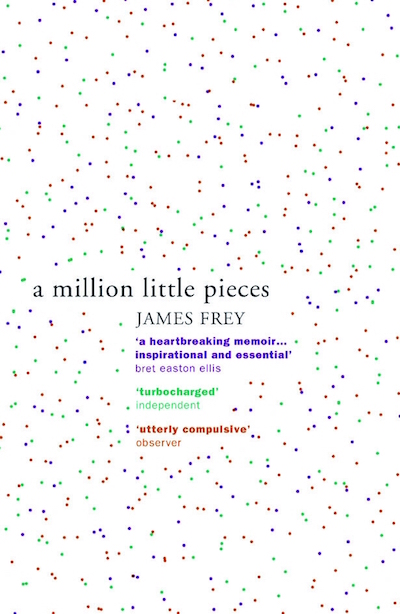
6) a million little pieces by James Frey

This book is another about drug and alcohol addiction and how Frey turned his life around. Well written.

Read The Review

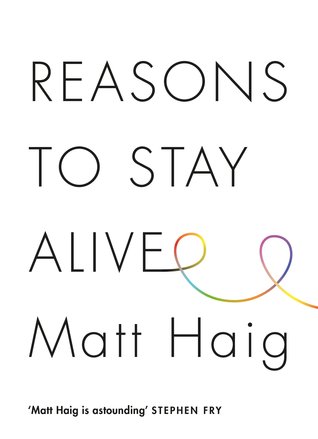
5) Reasons To Stay Alive by Matt Haig

This is an upbeat book about mental health and gives you plenty of reasons to stay alive. A brilliant, easy read by Matt Haig.

Read The Review

4) Misery by Stephen King

Misery sticks in my mind because of how creepy it is.

Read The Review

3) A Street Cat Named Bob by James Bowden

This is the true and uplifting story of a street cat named Bob that helped his human (Bowen) recover from drug addiction. A truly heart warming and easy to read book.

Read The Review

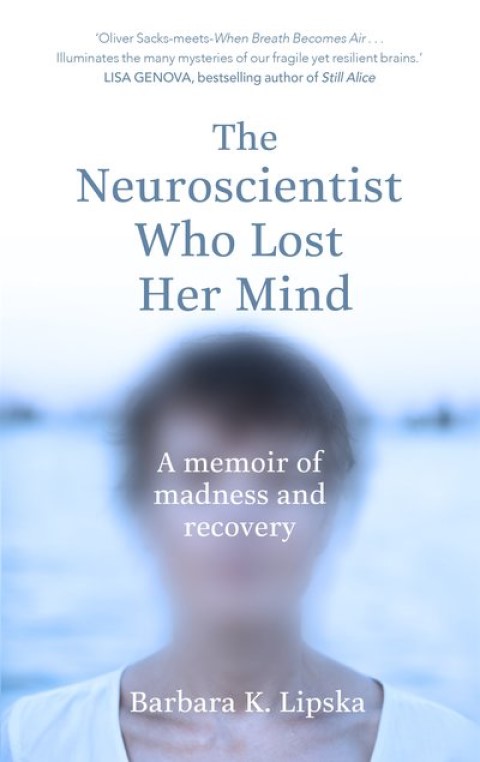
2) The Neuroscientist Who Lost Her Mind by Barbara K. Lipska

Imagine, if you will, starting to lose your mind. This is the story of a Neuroscientist who felt like she was losing her mind due to a brain tumor. This story stayed with me and is wonderfully well written.

Read The Review

Diary-of-a-Young-Girl-by-Anne-Frank

1) Diary of a Young Girl by Anne Frank

We all know the story of Anne Frank and her family. But reading her experiences in her own words really resonated with me.

Read The Review

Write soon,

Antony

Share on Social Media:
Books & Authors, Thinking, , , , , , , , ,
Scroll to Top
×