gay

Did You Know? (Part 6 – Technology)
Reading Time: 3 minutes
did-you-know
Did You Know?

This is the sixth and final in a series of Did You Know? blog posts. Each blog post gives fascinating facts on a particular topic. In part 1 the topic was science. In part 2 the topic was history. In part 3 the topic was geography. In part 4 the topics were art & music. In part 5 the topic was animals.

Today, I give you ten facts about Technology:

1. The first mobile phone call was made by Martin Cooper in 1973.

2. The first iPhone was released in the UK in 2007. Today there are more than 682m iPhones in the world.

3. Alan Turing is most well-known for being an excellent code-breaker in World War 2. He happened to be gay and was castrated by the UK state for his sexuality. But he also proposed founding theories about how to make computers work and computer science.

4. The World Wide Web (WWW) was invented by Sir Tim Berners-Lee in 1989. Today £1.7trillion is spent online in a year, 3m emails are sent every second (mostly SPAM) and there is countless amounts of data on the internet.

5. The X-ray was invented by Wilhelm Conrad Röntgen in 1895. The idea for the CT (Computed Tomography) scanner was first imagined by Godfrey Hounsfield in 1969. Hounsfield presented his idea to Dr. James Ambrose and they worked together to make his idea a reality. The MRI (magnetic resonance imaging) scanner was developed by a number of people. The X-ray, CT scanner and MRI scanner have all revolutionised medicine, by allowing doctors insight to what it going on in a patient’s body, without the need for invasive surgery.

6. Google deals with 1 billion searches a day.

7. Someone using a computer will blink 7 times a minute, rather than the normal 20 times a minute. This is because they are concentrating more on the screen.

8. Technology of Sci-Fi TV shows and films is now becoming a reality. For example, in Star Trek computers respond to verbal commands and its responses were relatively intelligent. Today we have Siri (Apple), Alexa (Amazon), Contina (Windows) and Android Voice Commands (Google/Android).

9. The operating system Linux is huge across servers, computers, tablets and smartphones. The chances are you use it without even realising. Linux is on every Android device, along with being on most serves (computers that host websites) in the world. Facebook, Google and Pinterest all run on Linux servers.

10. The people at Wired.com were the first to come up with banner advertisements, which are now used on most commercial websites.

Write soon,

Antony

References

Know Your Mobile – The History of Mobile Phones From 1973 To 2008: The Handsets That Made It ALL Happen
BBC News – Apple iPhone debuts in UK stores
{Life} Buzz – 25 Things You Didn’t Know About Technology… Almost No One Knows About #7.
Alan Turing: The Enigma
The Daily Beast – The Castration of Alan Turing, Britain’s Code-Breaking WWII Hero
Computer Hope – When was the first computer invented?
World Wide Web Foundation – History of the Web
Sunday Express – Top ten facts about…the internet
How Stuff Works – Science – Who invented the X-ray?
Eureka – When Hounsfield Met Ambrose, The Invention of Computed Tomography
Thought Co. – Magnetic Resonance Imaging MRI
Did you know? Technology fast facts
Techlila – 32 Computer Facts and Interesting Facts About Technology
The Guardian – Technology – Voice Recognition
WIRED – Linux Took Over The Web. Now, It’s Taking Over The World
Share on Social Media:
Technology, The Web, , , , , , , , , , , , , , , , , , , , , , , , , , , , , , , , , , , , , , , , , , , , , , , , , , , ,

A List of Things I’ve Done on a Week of Annual Leave

Reading Time: 3 minutes

I’ve just been off work for a week on much needed annual leave. I’ve had a great week off, the weather has been warm, but with intermittent sun and showers. Here’s a list of things I’ve done:

  • Had plenty of rest and relaxation – including some naps here and there.
  • Finished reading Carrie by Stephen King and reviewed it.
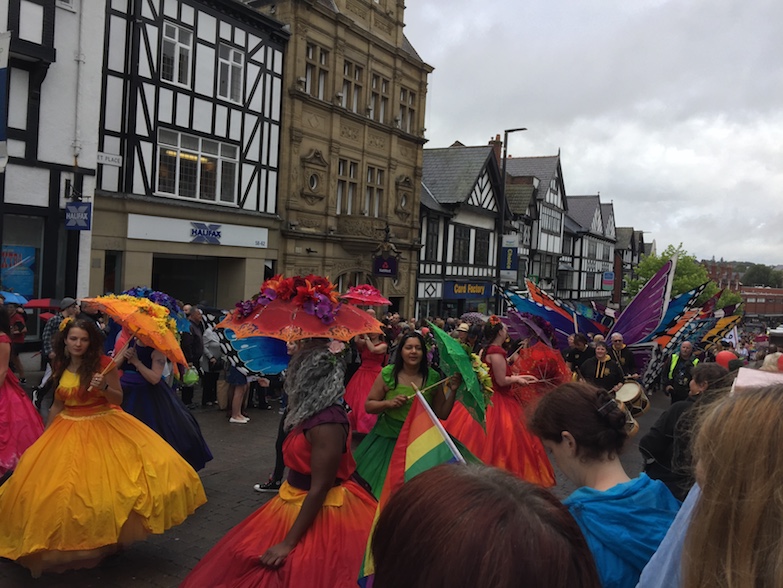
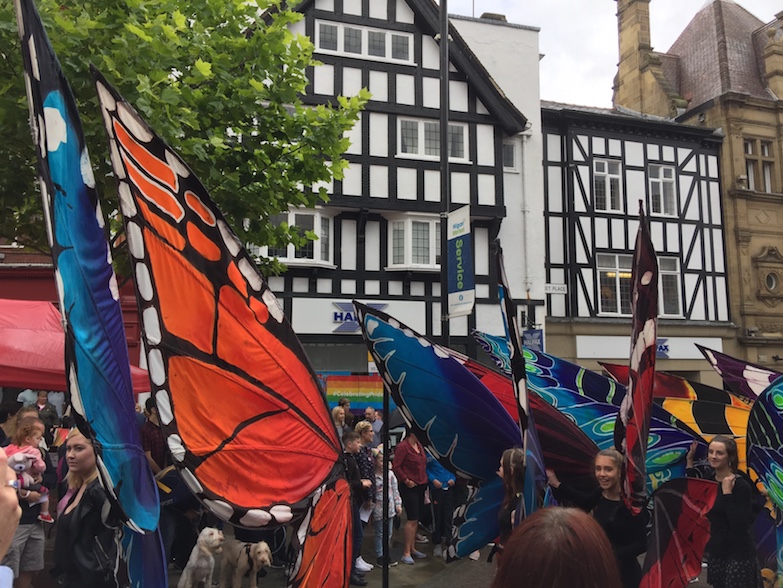
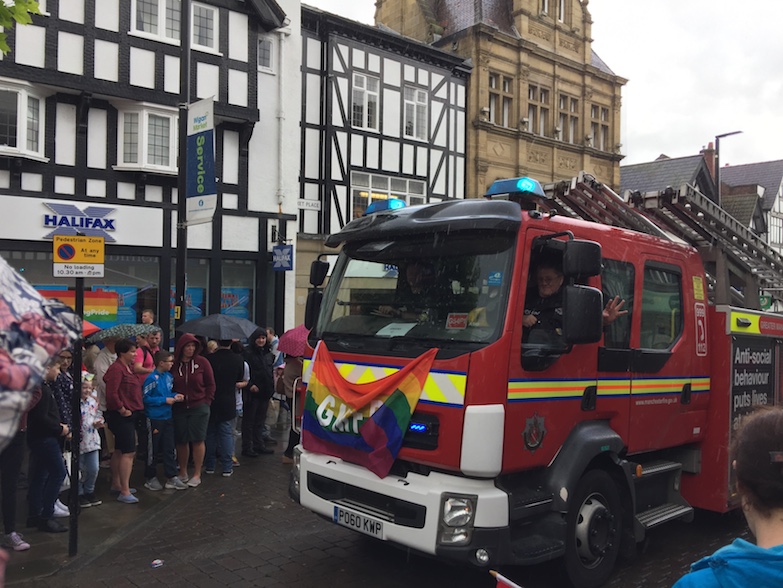
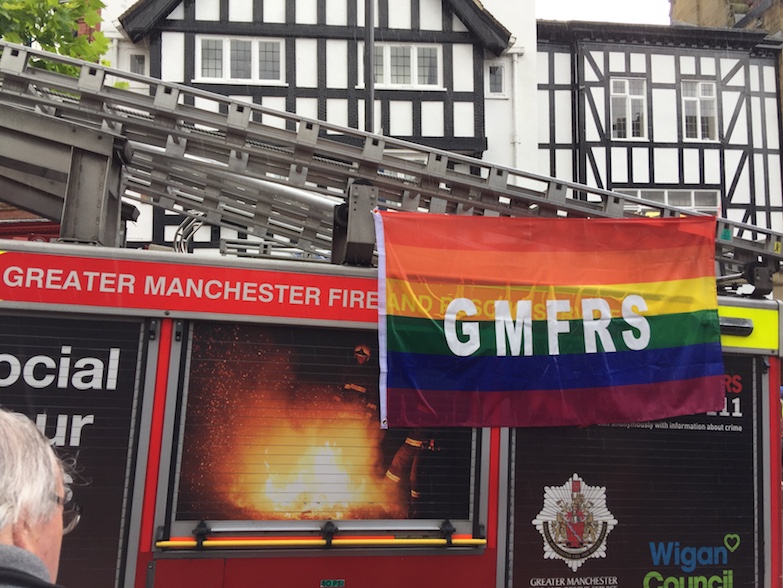
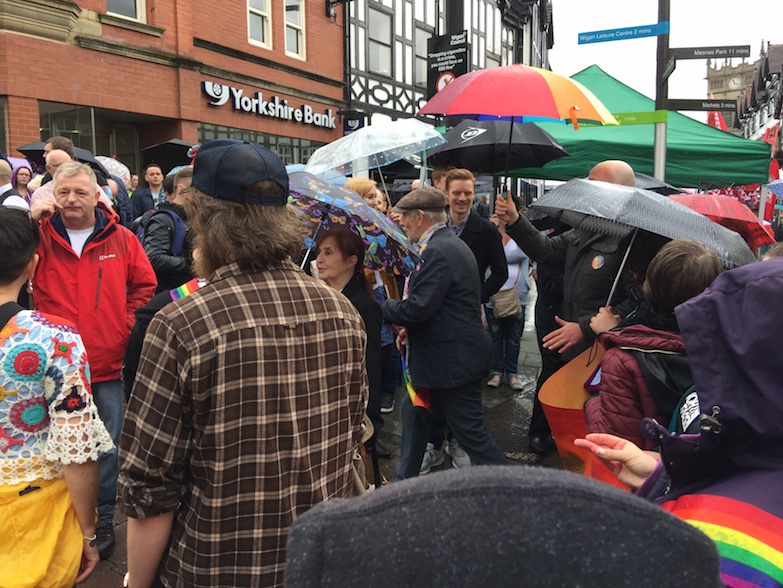
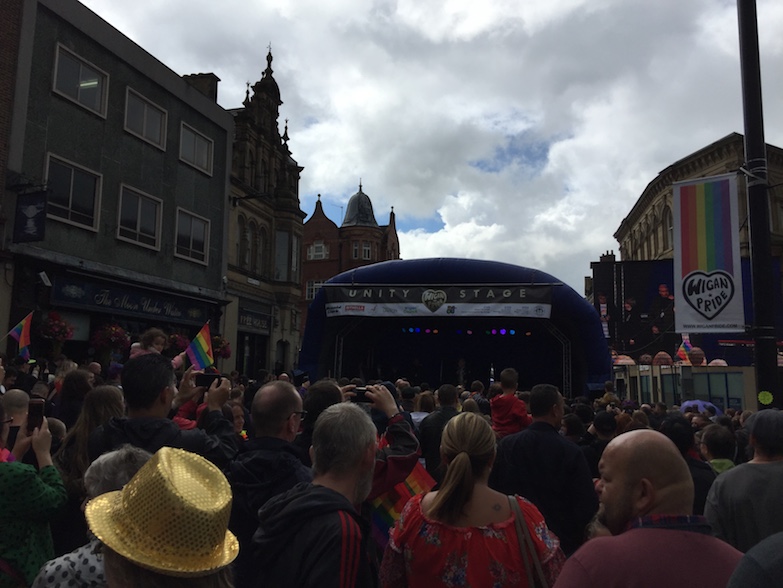
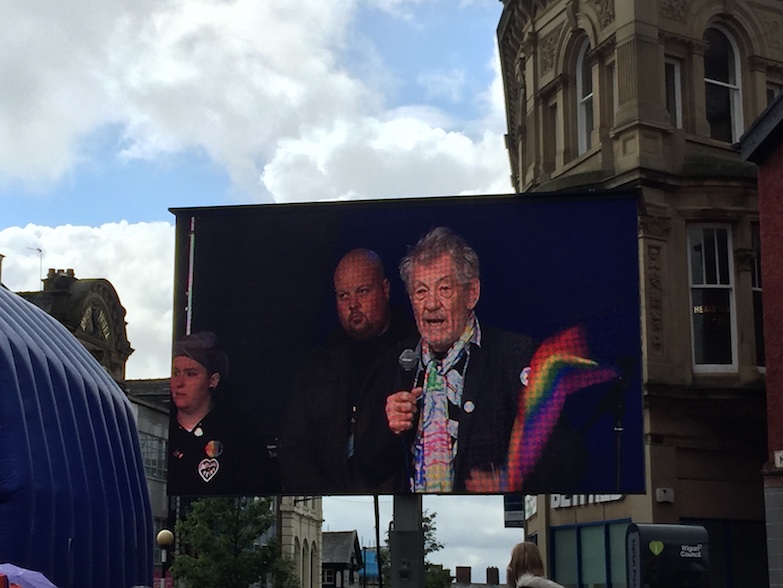
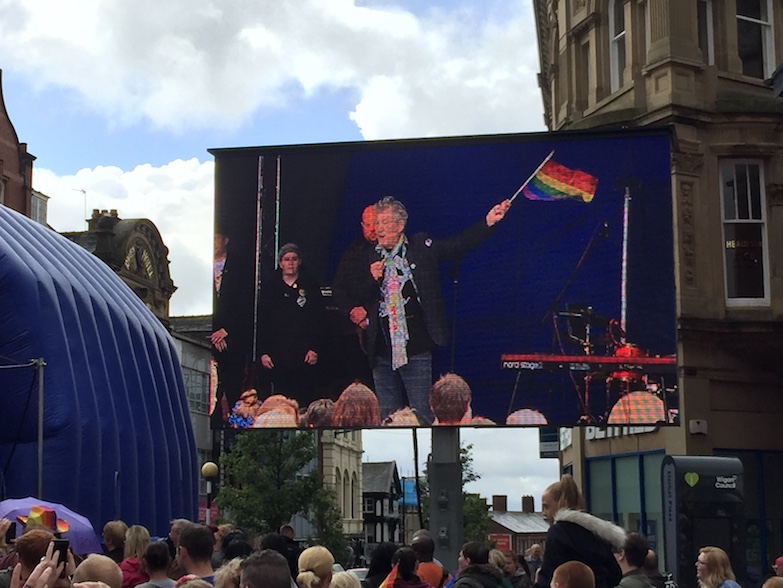
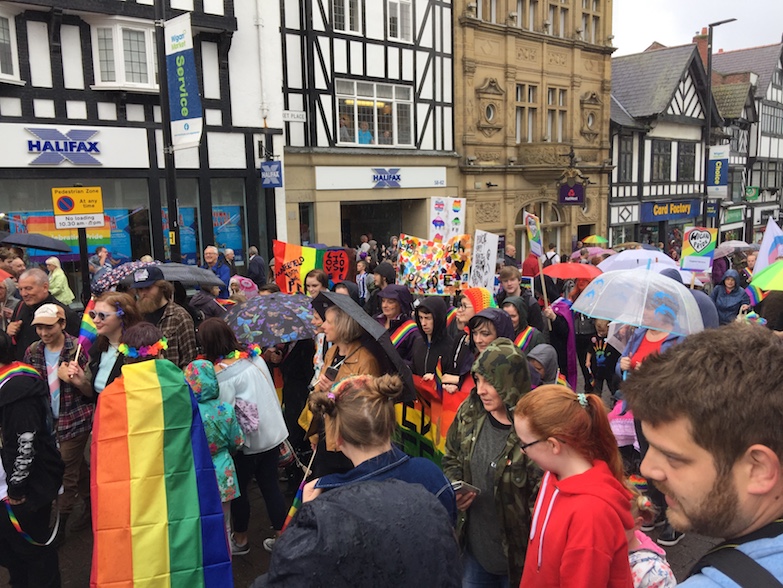
  • Attended Wigan Pride (gay pride event), organised by BYOU+. It was a great event which included: a parade led by the legendary Sir Ian Mckellen (better known to some as Gandalf or X-Men’s Magneto), a stage with local performers performing (also opened by Mckellen) and a marketplace of information stalls. BYOU+ and the residence of Wigan did Wigan proud and it is an event that I shall look forward to attending again in the future. Here are some photos from the day:
Wigan-Pride-17-0
Wigan Pride Parade (1)
Wigan-Pride-17-1
Wigan Pride Parade (2)
Wigan-Pride-17-2
Wigan Pride Parade (3)
Wigan-Pride-17-3
Wigan Pride Parade (4)
Wigan-Pride-17-4
Wigan Pride Parade (5)
Wigan-Pride-17-5
The closest I could get to Sir Ian Mckellen (under the rainbow brolly).
Wigan-Pride-17-6
Wigan Pride Main Stage
Wigan-Pride-17-7
Sir Ian Mckellen opening the main stage (1)
Wigan-Pride-17-8
Sir Ian Mckellen opening the main stage (2)
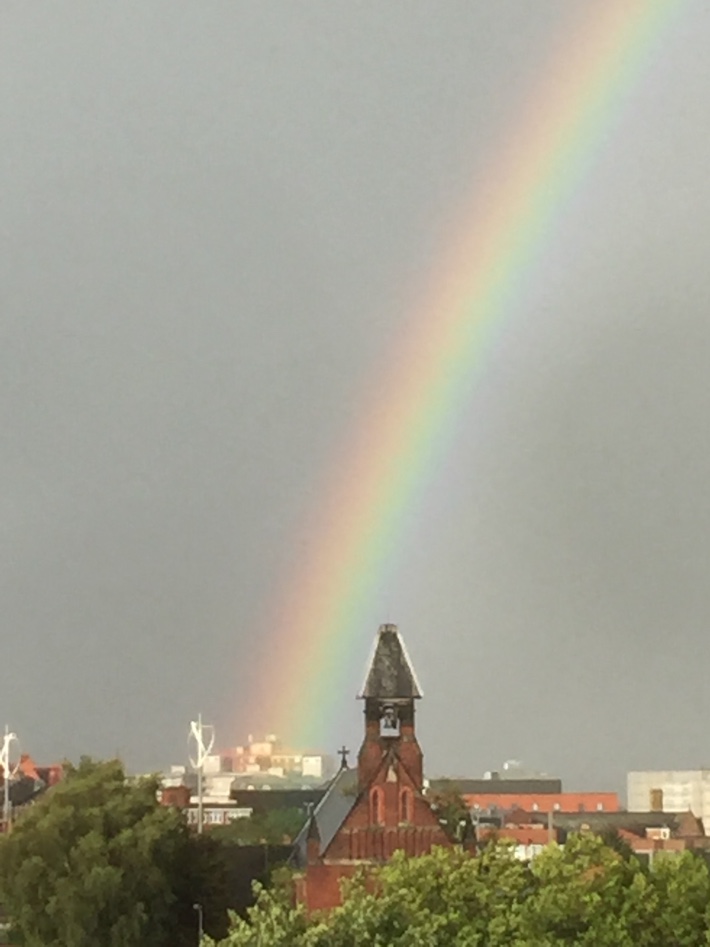
rainbow-photo-from-bedroom-window-August-2017
A photo of a rainbow from my bedroom window.

Blog soon,

Antony

More Content From Antony

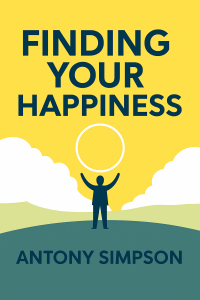
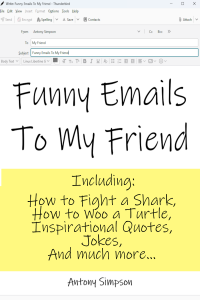
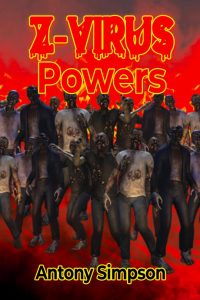
Here are the books that Antony has published:

Share on Social Media:
Amazon, Books & Authors, Friends & Family, Games, Gay, Happiness & Joy, Health, Life, , , , , , , , , , , , , , , , , , , , , , , , , , , , , , , , , , , , , , , , , , , , , , ,

Did You Know? (Part 4 – Art & Music)

Reading Time: 3 minutes
did-you-know
Did You Know?

This is the fourth in a series of Did You Know? blog posts. Each blog post will gives fascinating facts on a particular topic. In part 1 the topic was science. In part 2 the topic was history. In part 3 the topic was geography.

Today, I give you ten facts about Music & Art:

1. Vincent van Gogh produced his masterpiece Starry Night while admitted in a mental hospital.

2. Leonardo da Vinci completed the world’s most famous painting Mona Lisa from 1503 or 1504 to 1519. It is thought that Leonardo da Vinci could have been gay. He was 24 years old when he, along with several other men, were charged with sodomy. But the charges were dropped when no witnesses came forward.

3. Michelangelo is most famous for The Sistine Chapel ceiling, which it took him around 4 years to complete. But he was also a wordsmith. He created several hundred sonnets and madrigals in his lifetime.

4. Picasso was perhaps the most prolific creator of all time. During his 91 years of life he created: 13,500 paintings, 100,000 prints, 34,000 book illustrations and 300 sculptures/ceramics.

5. The top three best selling singles of all time are White Christmas by Bing Crosby, Candle in the Wind by Sir Elton John and Silent night, holy night by Bing Crosby.

6. Mozart was a musical genius. He wrote half of his total symphonies between 8 years old and 19 years old. Mozart could listen to a piece of music once and write it down from memory without any mistakes. He died aged 36, successful in the creation of music, but without any money.

7. Beethoven performed for Mozart when he was 17 years old in Vienna. Mozart was notoriously unimpressed by other musicians, but apparently was impressed with Beethoven. No one really knows what happened at that meeting, but the myth says that Mozart left the room stating: “Keep your eyes on him—someday he’ll give the world something to talk about.”

8. Around 26 years old Beethoven began losing his hearing. He tried to keep the fact that he was loosing his hearing a secret. He was totally deaf by 44 years old. Beethoven used his memory of sound and imagination of how music could sound to continue producing music after becoming totally deaf.

9. Classical music helps plants grow faster, according to a 2007 study.

10. Art and music, along with eating and sex all increase serotonin (the happiness chemical) and dopamine (the motivation chemical) in the brain.

Write soon,

Antony

References

Degreed – Top 10 Facts About Vincent van Gogh
MostToday – 10 Most Famous Paintings In The World
Live Science – 5 Things You Probably Didn’t Know About Leonardo da Vinci
Italian Renaissance – Michelangelo’s Painting of the Sistine Chapel Ceiling
History Stories – 9 Things You May Not Know About Michelangelo
Biography – Pablo Picasso
Picasso Mio – Picasso – How many artworks did Picasso create in his life time?
Express – TOP 20 best selling singles of all time
FactRetriever – 69 Interesting Facts about Mozart
Mental Floss – 19 Things You Probably Didn’t Know About Beethoven
Classic FM – So if Beethoven was completely deaf, how did he compose?
Knowable – 27 Rarely Known Facts About Music And The Music Industry.

Share on Social Media:
The Web, , , , , , , , , , , , , , , , , , , , , , , , , , , , , , , , , , , , , , , , , , , , , , , , , , , , , , , , , , ,

The Human Rights Act (1998) Explained

Reading Time: 3 minutes

The Human Rights Act (1998) is one of the most misunderstood pieces of UK law. In this blog post, I’ll explain simply all about The Human Rights Act.

What?

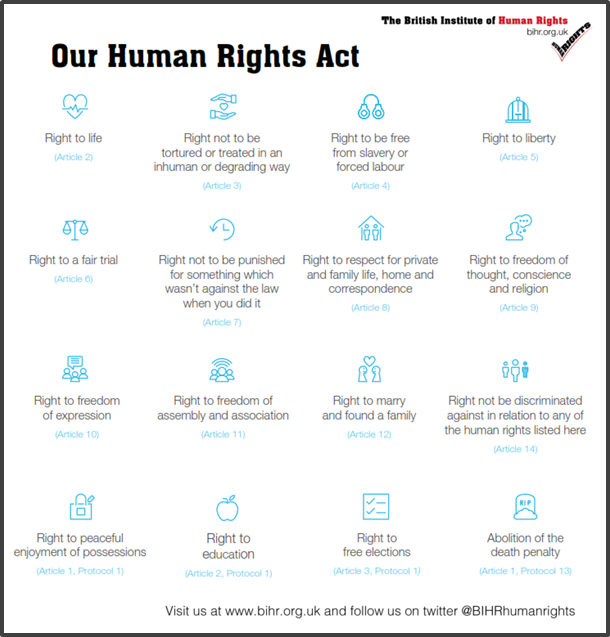
The Human Rights Act (1998) sets out in UK law the European Convention on Human Rights (ECHR). It has several articles and protocols including:

BIHR-Our-Human-Rights
From & Copyright © The British Institute of Human Rights.

List of articles and protocols:

  • Article 2: Right to life
  • Article 3: Freedom from torture and inhuman or degrading treatment
  • Article 4: Freedom from slavery and forced labour
  • Article 5: Right to liberty and security
  • Article 6: Right to a fair trial
  • Article 7: No punishment without law
  • Article 8: Respect for your private and family life, home and correspondence
  • Article 9: Freedom of thought, belief and religion
  • Article 10: Freedom of expression
  • Article 11: Freedom of assembly and association
  • Article 12: Right to marry and start a family
  • Article 14: Protection from discrimination in respect of these rights and freedoms
  • Protocol 1, Article 1: Right to peaceful enjoyment of your property
  • Protocol 1, Article 2: Right to education
  • Protocol 1, Article 3: Right to participate in free elections
  • Protocol 13, Article 1: Abolition of the death penalty

Article 1 & 13 of the European Convention on Human Rights (ECHR) are not in The Human Rights Act (1998), as they are covered within the Act.

It is open to interpretation. For example, Article 12: The right to marry. Despite the Human Rights Act being dated 1998, Civil Partnerships for gay people only became legal in the UK in 2005. Gay Marriage only became legal in the UK in 2013. Prior to this the right to marry in the Human Rights Act (1998) was interpreted as only applying to straight people.

What it lacks?

With rights should come responsibilities. The Human Rights Act (1998) lacks listing responsibilities of the citizen, of local government and of national government. However you could argue that these responsibilities are covered by other UK laws.

The Human Rights Act does place a duty on Public Authorities to act within ways that are compatible with the Act, but again, this is open to interpretation.

Why?

The Human Rights Act (1998) exists to outline the rights and freedoms that every person in the UK should be entitled to.

When?

The Human Rights Act was passed through UK parliament in 1998, but came into force in October 2000.

How?

If a citizen feels their Human Rights have been denied, they can ask a court of law to look at their case. But this is a complex process and without good legal support can be difficult. This means that justice on Human Rights breeches are only challenged if people can afford good legal counsel, or are supported by certain charitable organisations that do work around Human Rights.

The Future of Human Rights?

The Government wants to replace The Human Rights Act (1998) with a British Bill of Rights. The concern is that this new bill of rights could weaken the rights laid out in The Human Rights Act and be even more open to interpretation than the current Act.

Other Content

If you enjoyed this post, you might like this other content:

Blog soon,

Antony

References

British Institute of Human Rights
Citizens Advice – What rights are protected under the Human Rights Act?
Import: The History of Marriage in the UK
Liberty – The Human Rights Act
Equality and Human Rights Commission: A history of human rights in Britain

mental-health-wisdom-banner
Share on Social Media:
Life, Political, , , , , , , , , , , , , , , , , , , , , , , , , , , , , , , , , , , , ,
Scroll to Top
×