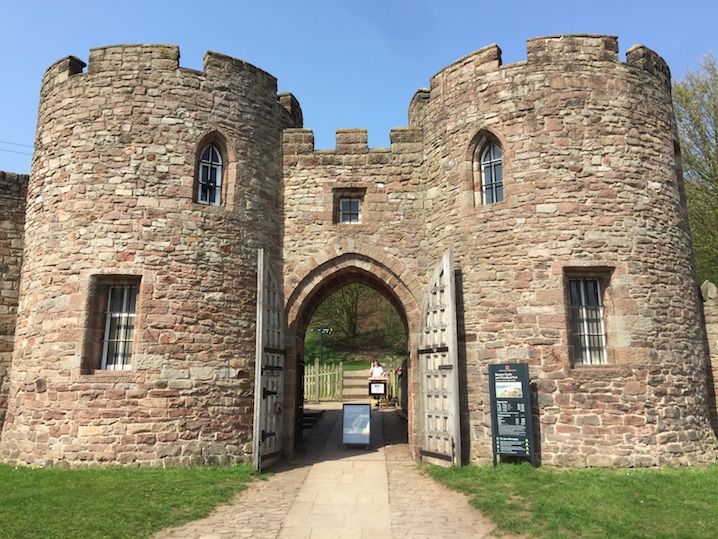
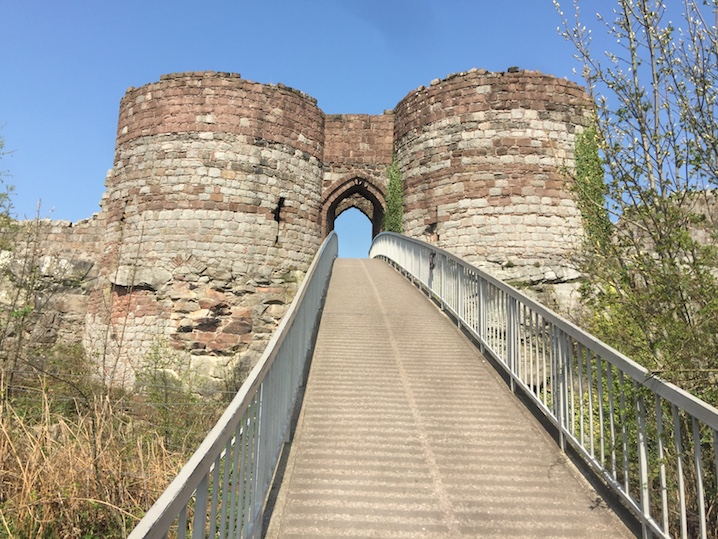
Earlier today my good friend Steve and I went to Beeston Castle and Woodland Park. The weather was glorious, sunshine, temperature in the high twenties and not a cloud in the sky.
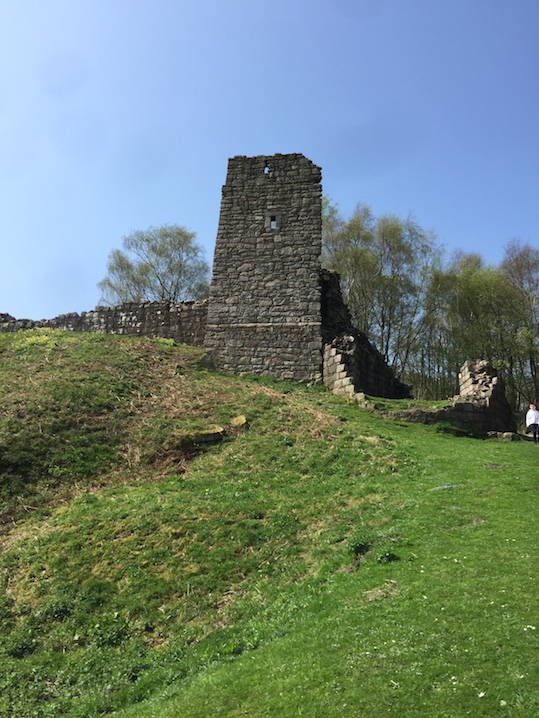
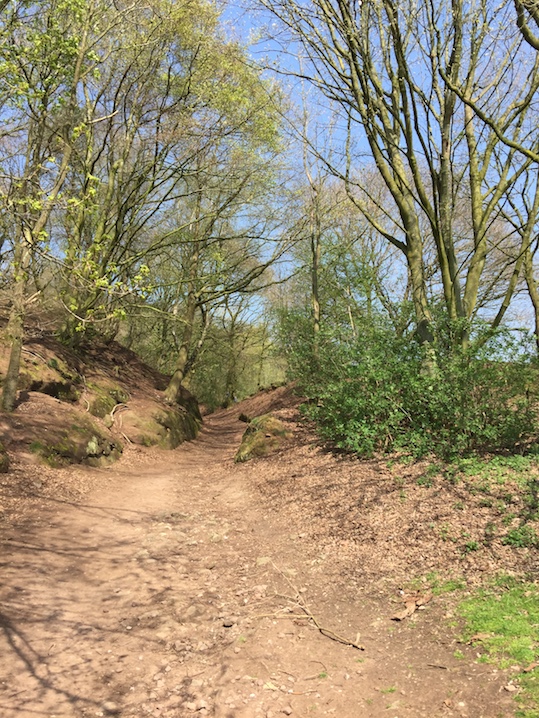
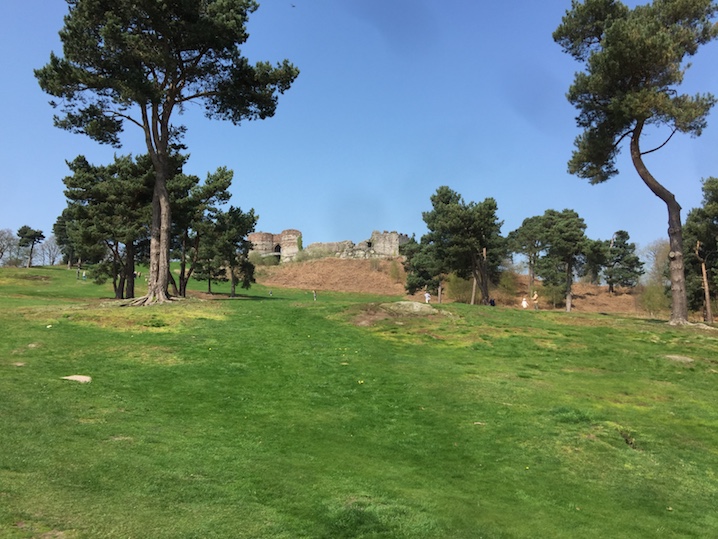
Beeston Castle is more a ruin than a castle. The gatehouse is at the bottom of a hill and it houses a small gift shop. It’s a uphill walk to the main ruin of the castle, a walk that I felt in my legs and reminded my of how un-physically fit I am.
There was a St. George & The Dragon event on which was popular with families.
Here are some photos:
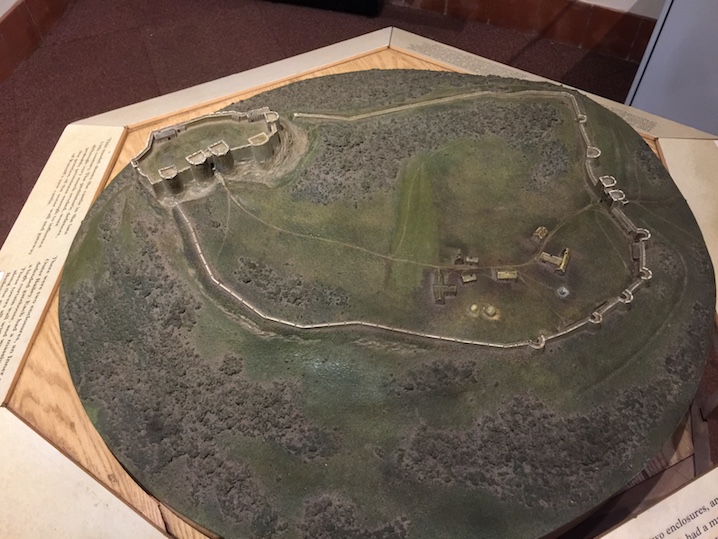
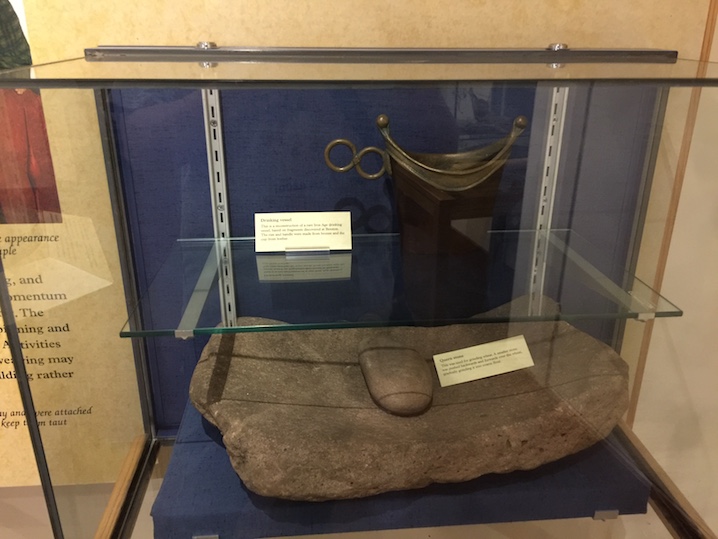
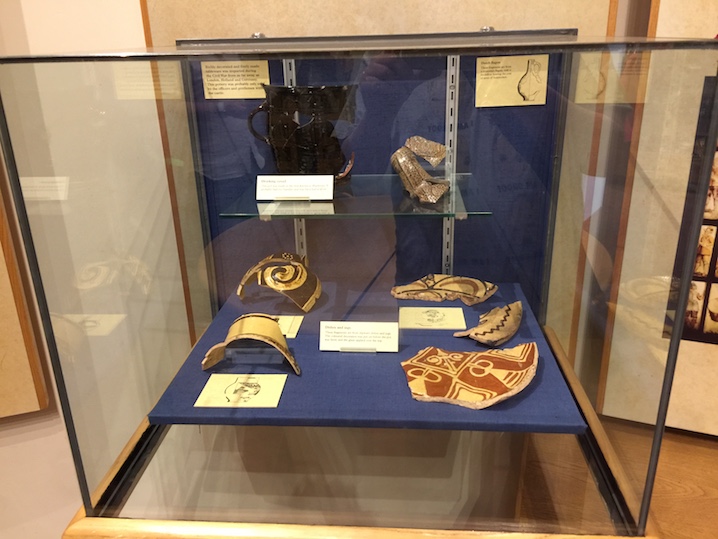
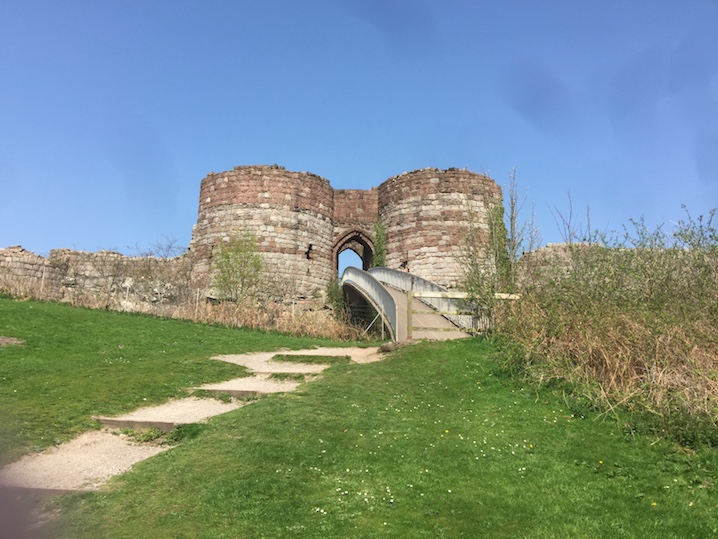
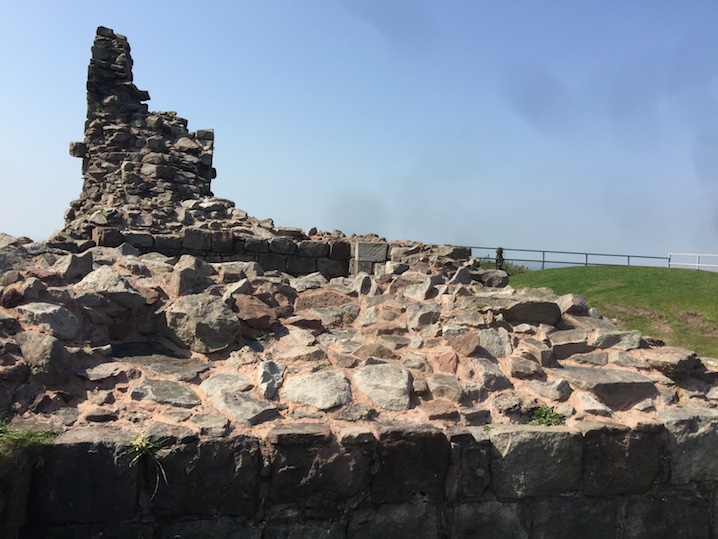
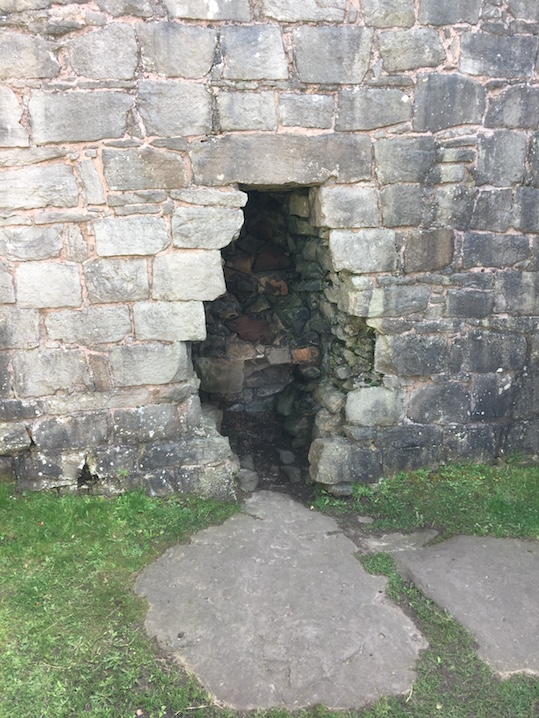
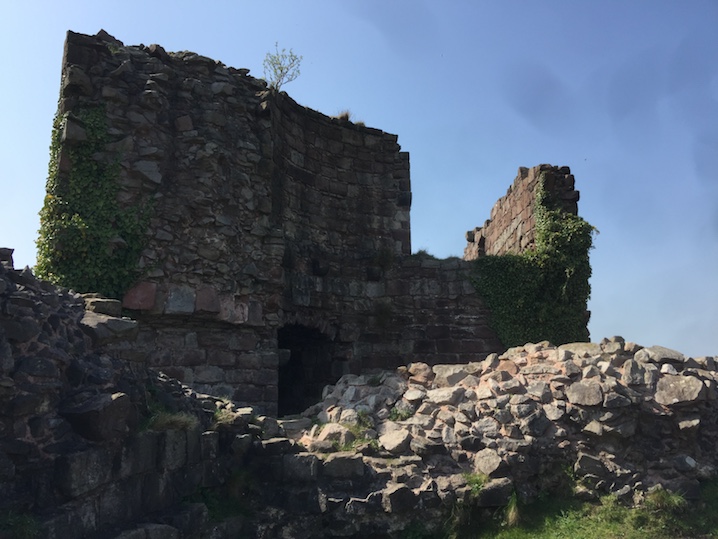
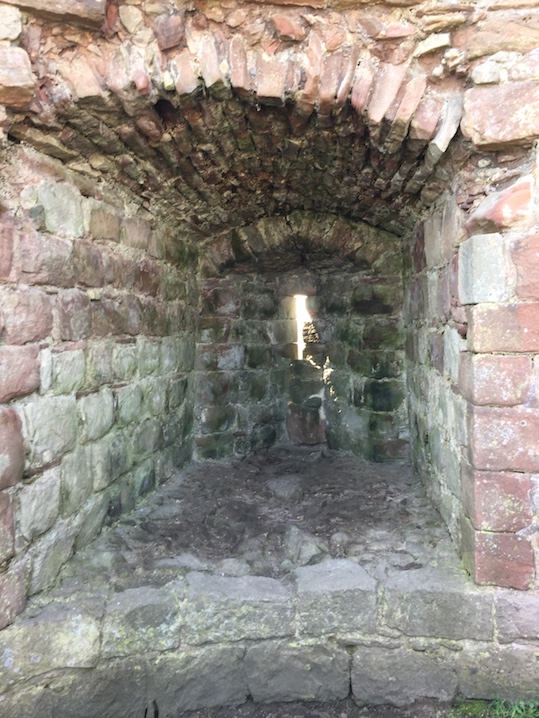
Beeston Castle has a small exhibition detailing its history.Beeston Castle exhibition display cabinet (1).Beeston Castle exhibition display cabinet (2).Ruins of a tower.The path up to the main ruin.The main ruin from a distance.The entrance to the main ruin (1).The entrance to the main ruin (2). From the bridge was a sheer drop of at least thirty feet.Me.Inside the main ruin (1).Inside the main ruin (2).Inside the main ruin (3).Inside the main ruin (4).
Essential Info:
Beeston Castle is ruins of a castle. It also has a woodland park to walk in.
Parking: A paid carpark is opposite Beeston Castle’s Gatehouse.
Caution: If your mobility is poor, this isn’t a great site for you to visit. It’s an uphill walk to the main ruin site.
Has a small exhibition.
Has a small gift shop.
I’ve wanted to visit Beeston Castle for a number of years and I’m glad I did, especially on such a lovely day. But because it’s more a ruin than a castle, I probably wont be going back any time soon.
Especially not when I have Rivington’s Lever Castle on my doorstep with no entry fee and beautiful woodland to walk in.
Many millions of people would not be alive today or lived for as long without the healthcare provided by the National Health Service (NHS) in the United Kingdom (UK). The NHS provides safe, good quality and cost effective healthcare to 64+ million men, women and children in the UK.
Driven by my curiosity, I’ve researched and written an article entitled The History of the English National Health Service (NHS), you can read it on Amazon, or if you’re a Fanatic Member, view/download it in the Fanatic Area.
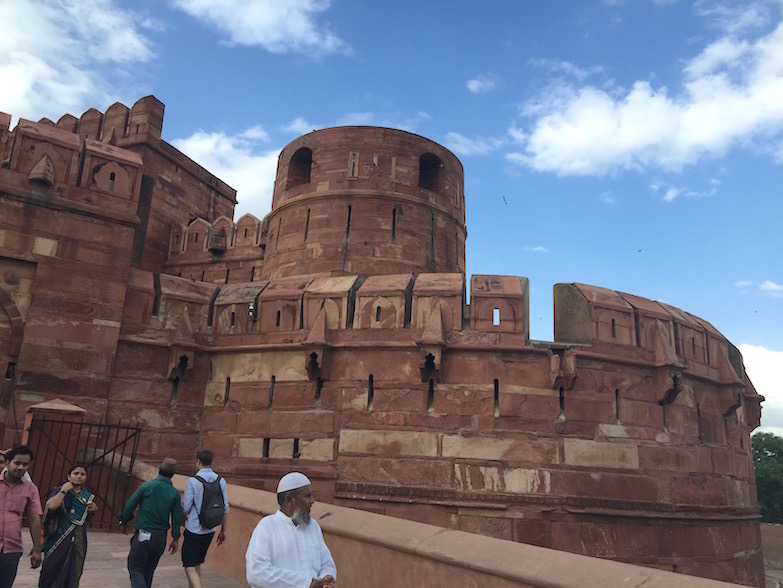
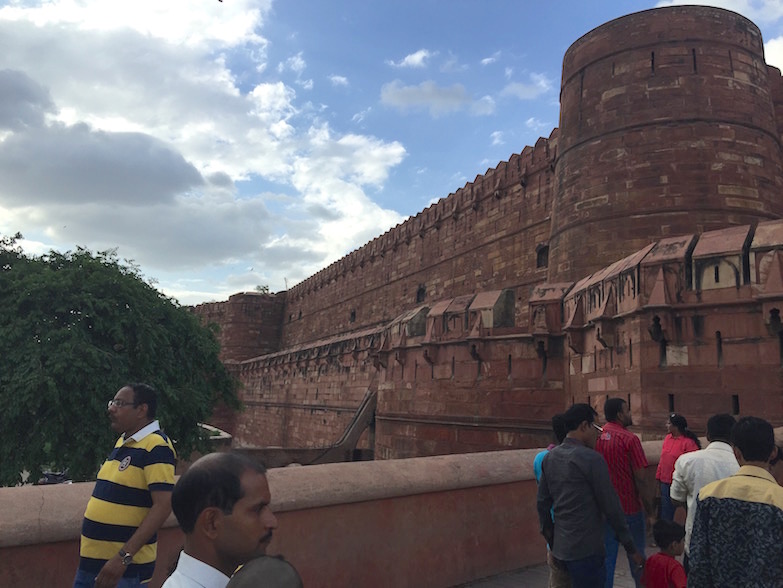
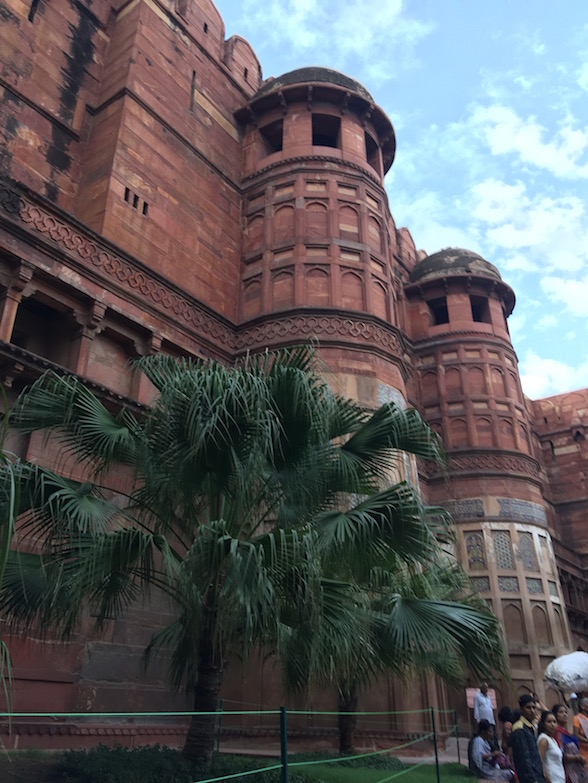
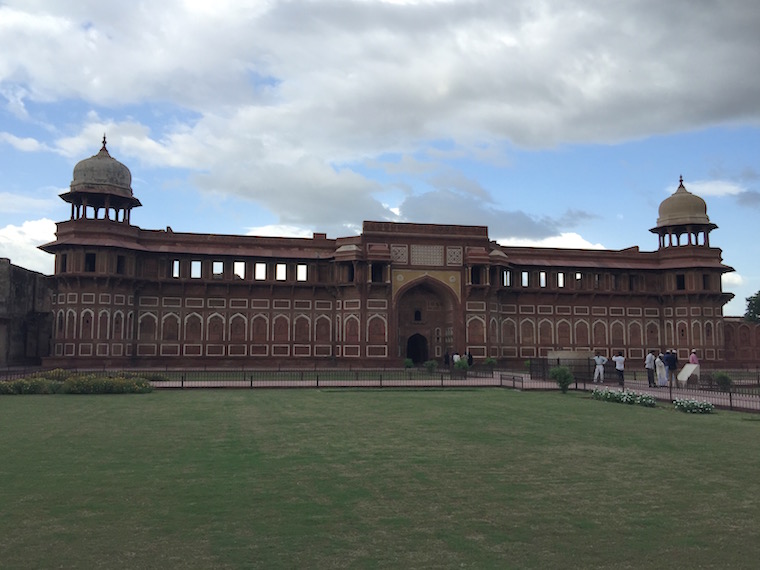
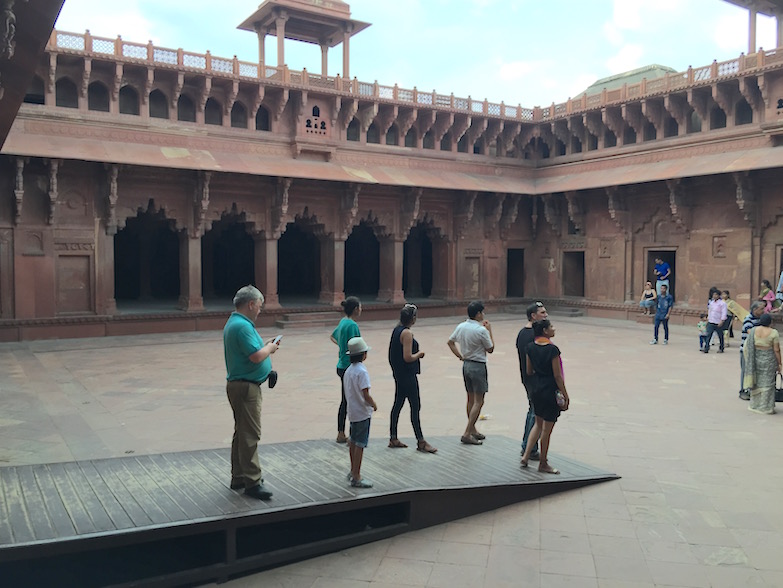
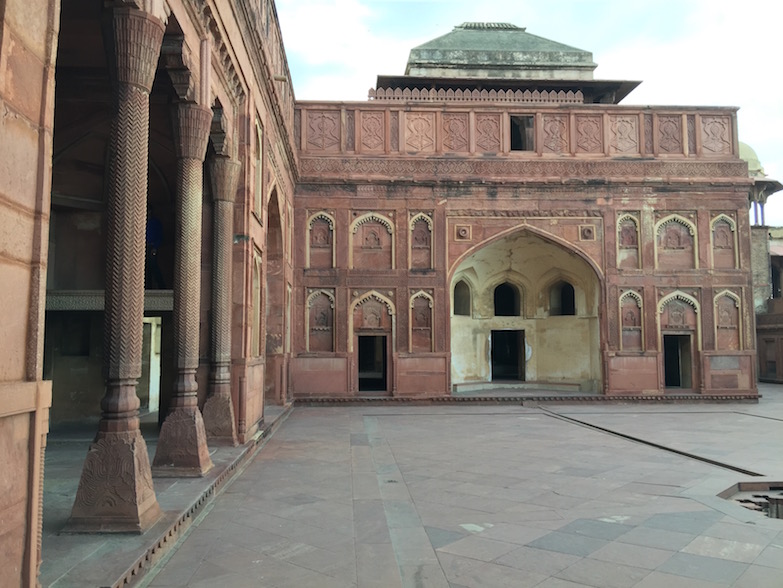
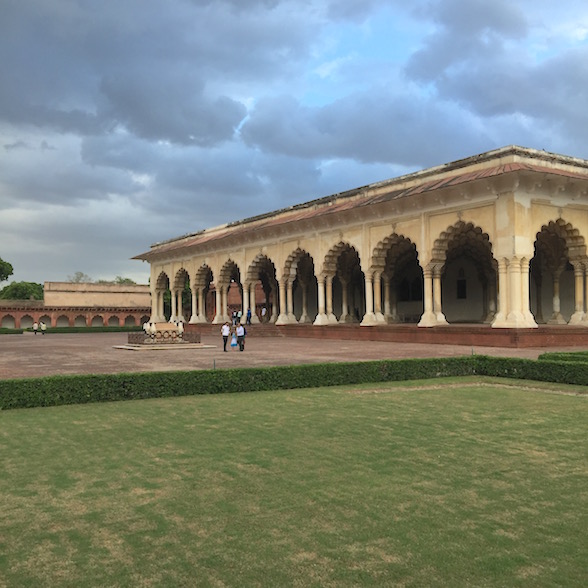
On the same day that Robert, Neha, Michael, Neha’s family and I visited The Taj Mahal we also visited Agra Fort. I don’t know enough about Agra Fort’s rich history, but I do know about a legend…
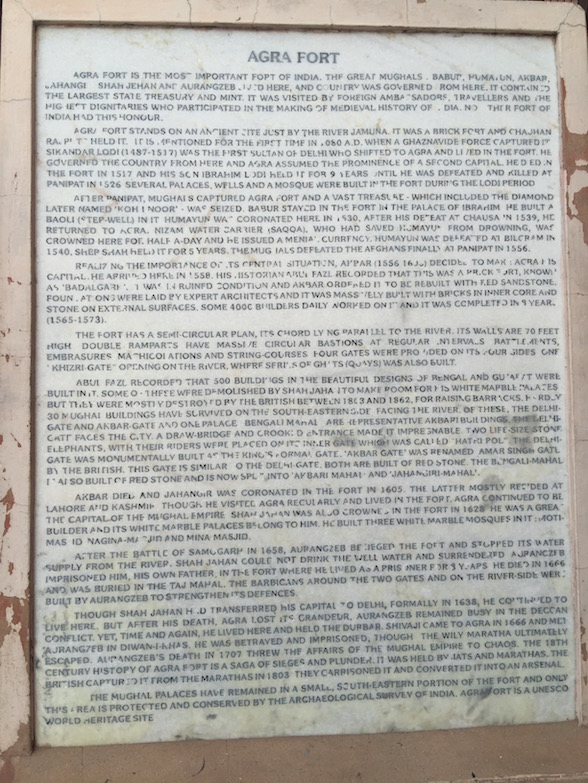
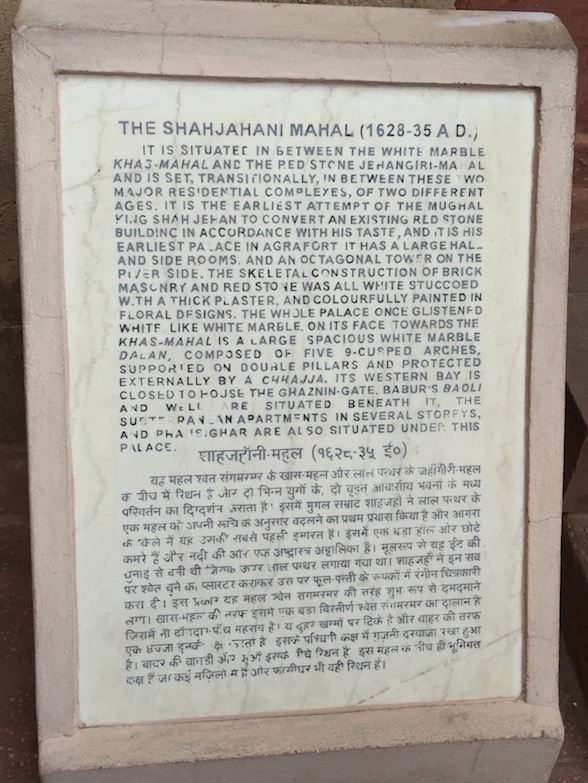
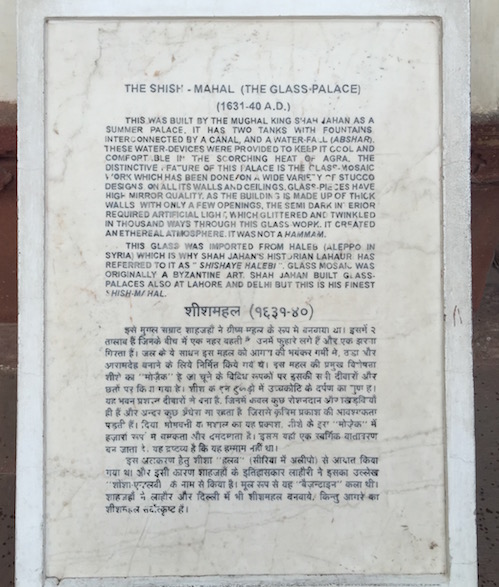
Agra Fort Information Stone.
On the same day that Robert, Neha, Michael, Neha’s family and I visited The Taj Mahal we also visited Agra Fort. I don’t know enough about Agra Fort’s rich history, but I do know about a legend…
Legend has it that the Emperor who built the Taj Mahal inherited Agra Fort. He desired buildings made out of white marble inlaid with gold and semi-precious gemstones, like the Taj Mahal. So he knocked down some of the existing buildings and rebuilt his own.
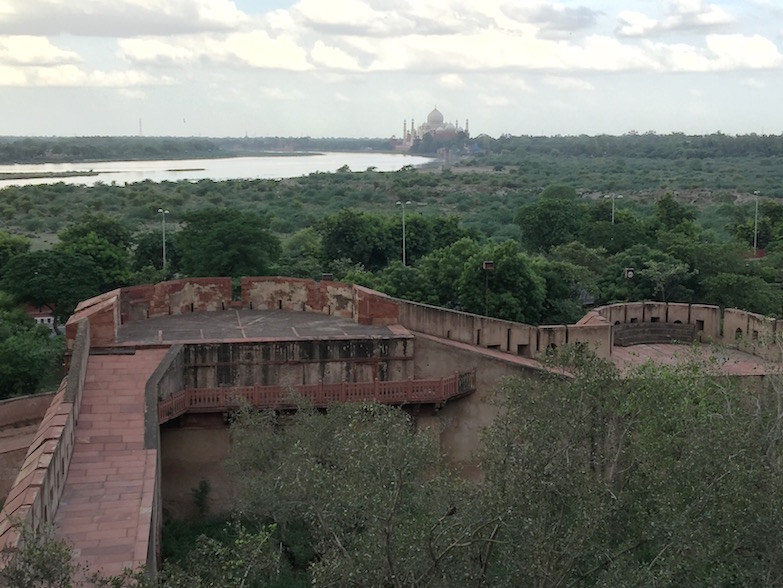
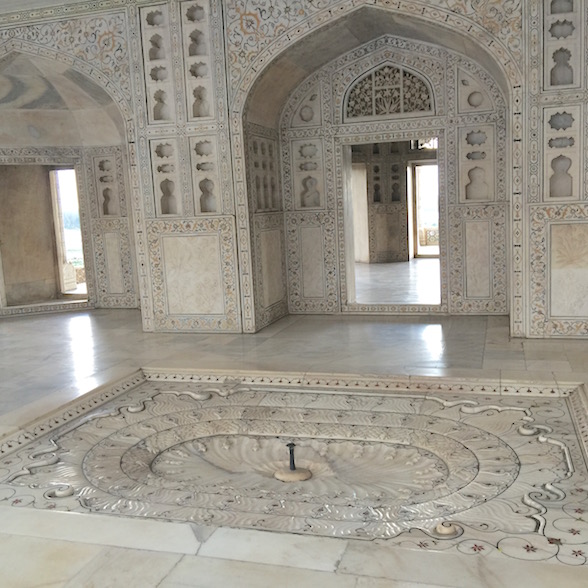
The Emperor was later deposed by his son and imprisoned in his white marble buildings (see photos Inside 5 and Inside 6 below) until he died. From his prison, the Emperor could see the Taj Mahal, where the ashes of his love rested.
It looks like it was quite a luxurious prison to me. No doubt he had staff to feed, water, bathe and cloth him. Along with maybe a few guards to make sure he didn’t try to escape.
Here are some photos of Agra Fort:
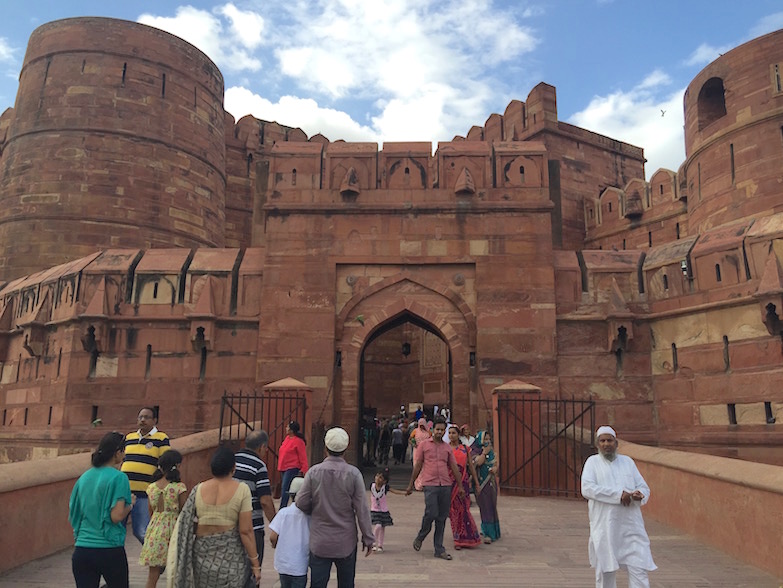
Agra Fort Entrance.
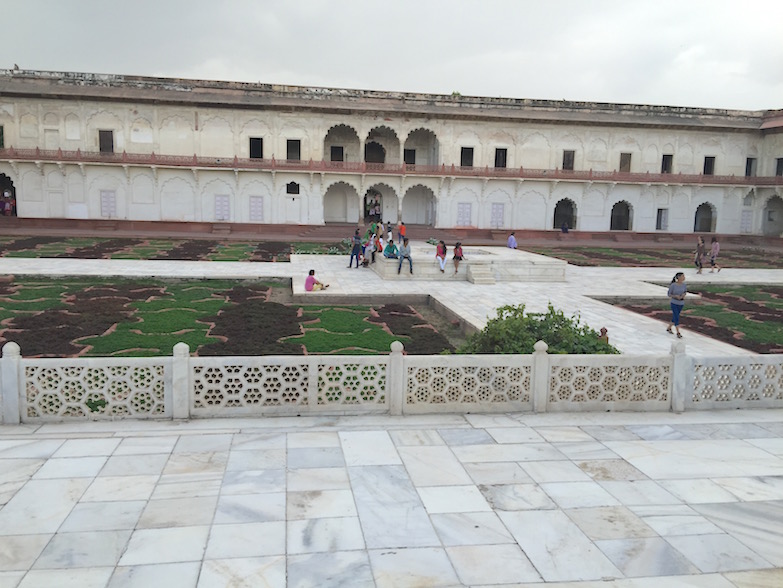
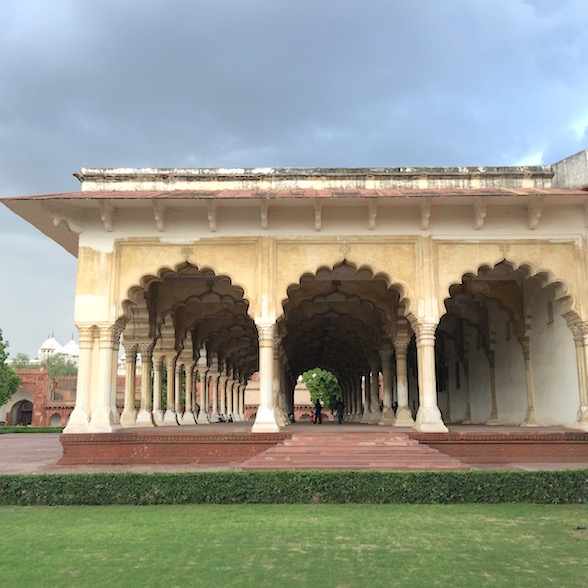
Agra Fort Outside (1).
Agra Fort Outside (2).
Agra Fort Inside (1).
Agra Fort Inside (2).
Agra Fort Inside (3).
Agra Fort Inside (4).
Agra Fort – you can see The Taj Mahal from a window.
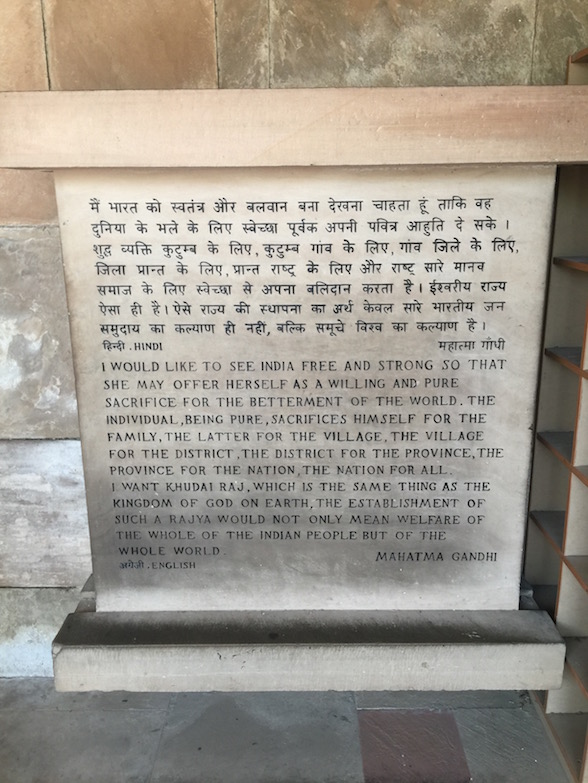
Another Agra Fort Information Stone.
Agra Fort Inside (5).
Agra Fort Inside (6).
The Third & Final Agra Fort Information Stone.
Agra Fort Inside (7).
Agra Fort Inside (8).
In the next blog post in the series, I’ll tell you all about a permanent reminder I got to remember my India adventure. It will be published soon, so check back regularly for the next update.
Robert, Neha, Michael and I didn’t intend to visit Gandhi’s grave, but on the day we went to visit the Red Fort it was closed, so we went to Gandhi’s grave which is close by.
Gandhi’s grave was probably my favourite and most significant place of all the sites I visited in India, because of the man it commemorates. Gandhi is seen as the Father of the Indian nation. He is on bank notes and deservedly put on a pedestal. I didn’t know much about Gandhi before I went to India. But when I came home and did some research, it resulted in the visit to his grave meaning even more to me.
Gandhi was an inspirational man. As an adult he was civil rights activist that believed in non-violent protest, non-violent civil disobedience, peace, community and was a leader in the Indian Independence Movement. He was known for being spiritual and religiously Hindu.
Gandhi to me was a enlightened soul, with his common sense ideas being ahead of his time.
One of the things I admire about Gandhi was that as a teenager he experimented with drinking alcohol, eating meat and sex (From: BBC – iWonder, last accessed: Saturday 8th August 2015). This showed to me that Gandhi was on a journey to enlightenment when he was younger. That Gandhi had fundamentally started out as a ordinary human being that went on to become enlightened, using his wisdom and good soul to influence and create some incredible changes in the world. These changes making the world a better place for everyone.
Gandhi apparently predicted his own death, mentioning that he thought he would be assassinated and hoped to be able to forgive the man that did it. Gandhi was on his way to a prayer meeting when he was shot three times in the chest by an extremist. Gandhi who had believed in peace, hope and the best of humanity had been violently murdered. India and the rest of the world mourned his loss.
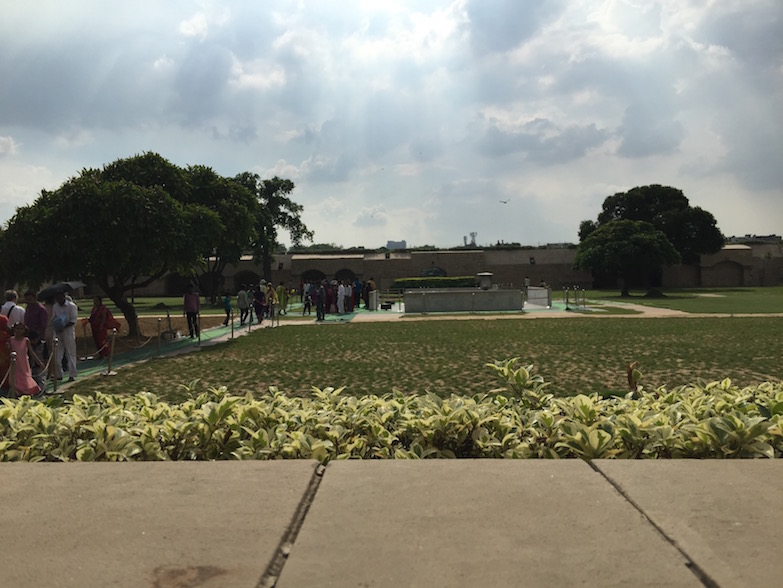
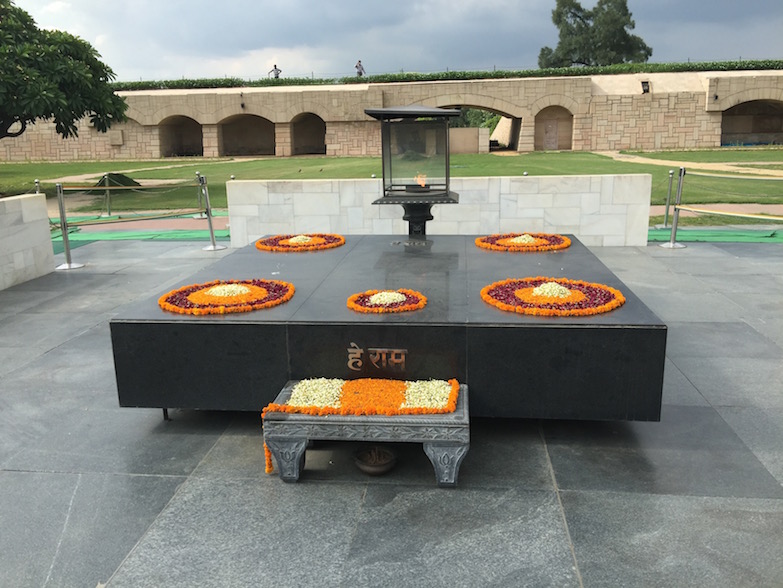
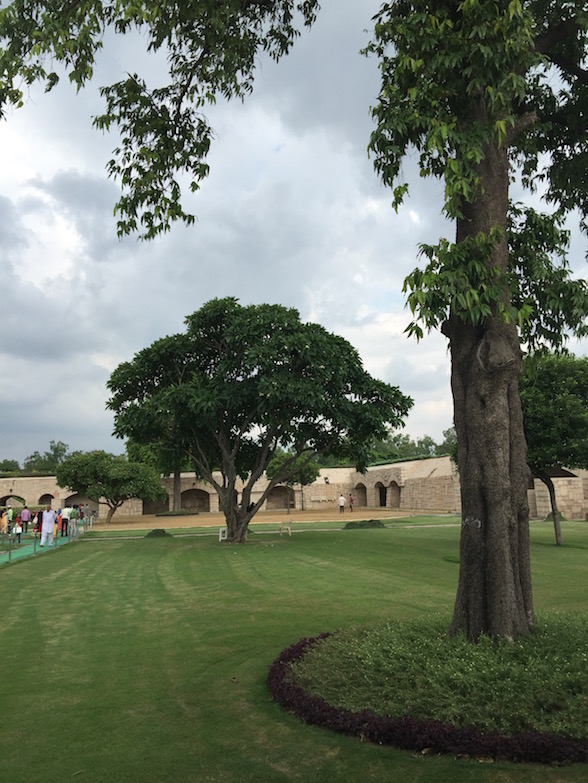
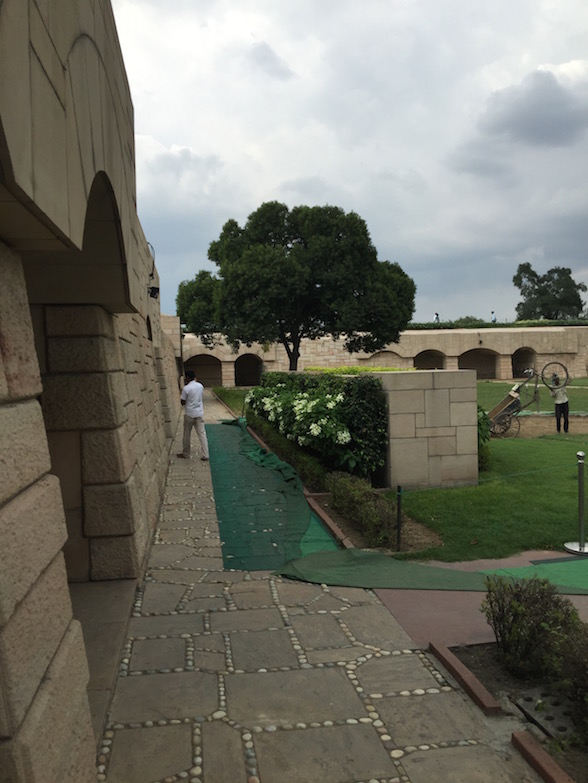
Apparently some of Gandhi’s ashes are buried in this memorial. Here are some photos of Gandhi’s grave:
Walk up to Gandhi’s Grave.
Gandhi’s Grave: Where his ashes are.
Gandhi’s Grave gardens (1).
Gandhi’s Grave gardens (2).
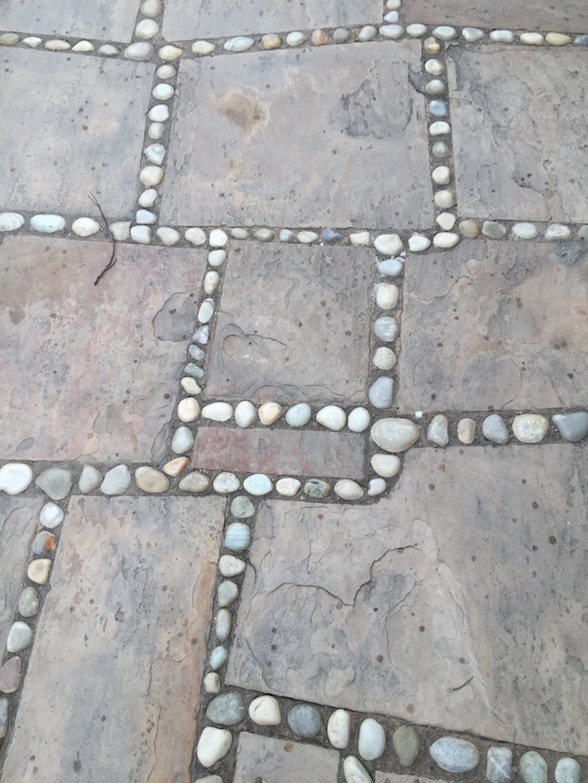
Gandhi’s grave – beautiful tiled flooring.
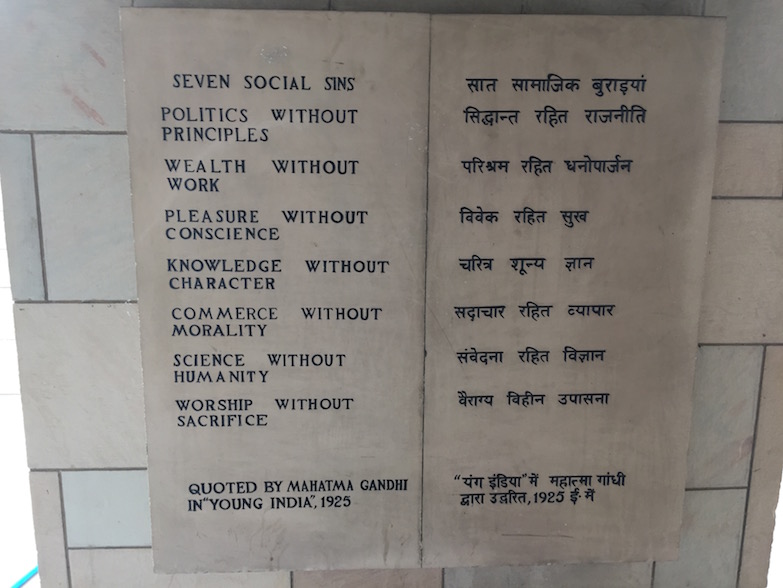
One of the most interesting information stones there was Gandhi’s Seven Social Sins (photographed below). Here they are as photo and text:
Gandhi’s Seven Social Sins, from ‘Young India’ (1925)
Seven Social Sins
1. Politics Without Principles 2. Wealth Without Work 3. Pleasure Without Conscience 4. Knowledge Without Character 5. Commerce Without Morality 6. Science Without Humanity 7. Worship Without Sacrifice
(From: ‘Young India’ (1925))
Reading this was like seeing a reflection of what’s going on in the world right now. I remember thinking that if Gandhi was around now he’d constantly be leading peaceful protests and marching in them.
India Gate
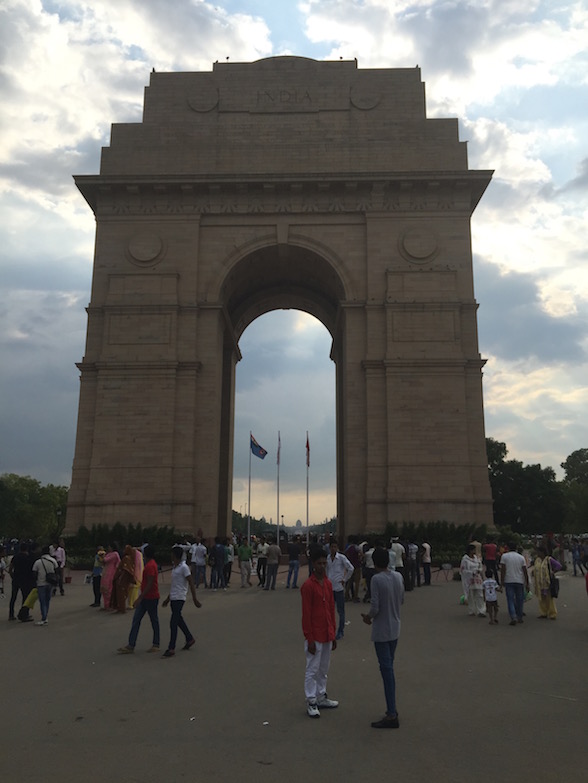
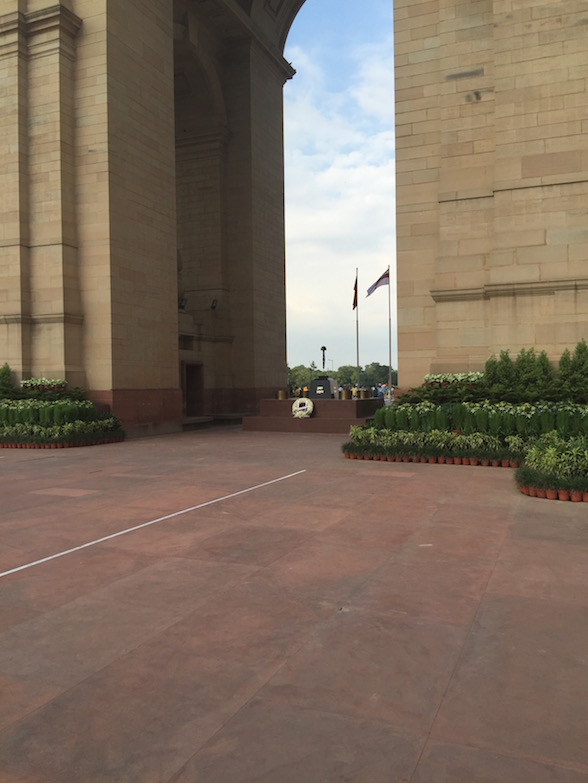
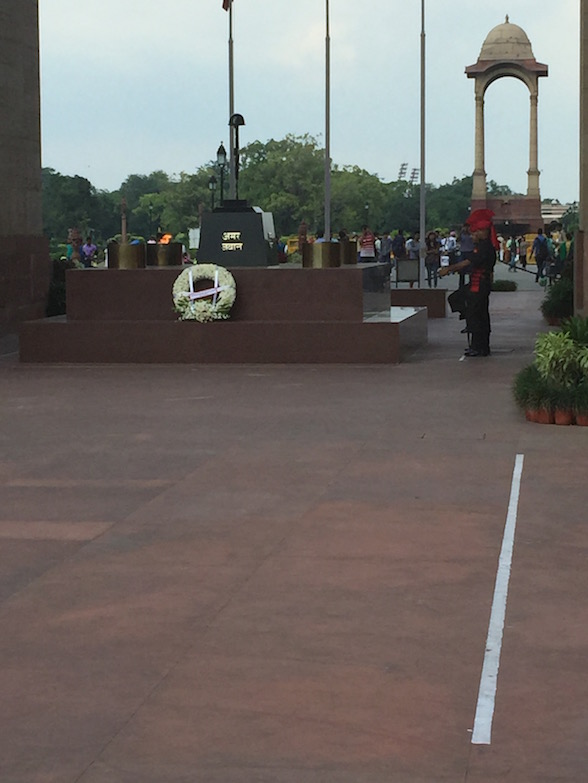
India Gate is a war memorial to all fallen Indian soldiers. The Gate is ginormous. In the middle of the gate is the monument. It’s a raised platform that has a statue of a black gun with matching soldiers helmet resting on top of it. There’s a flame that is always kept burning and soldiers in ceremonial dress. See photos below:
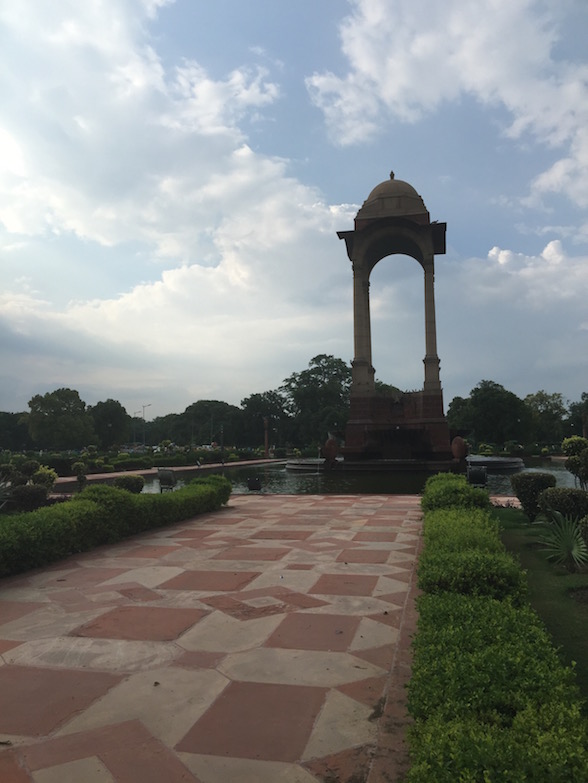
The Empty Canopy
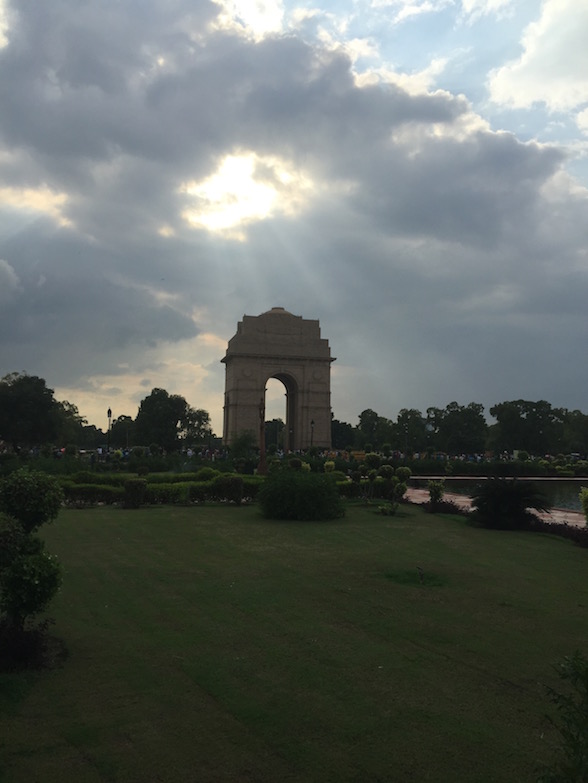
India Gate: A War Memorial (1).
India Gate: A War Memorial (2).
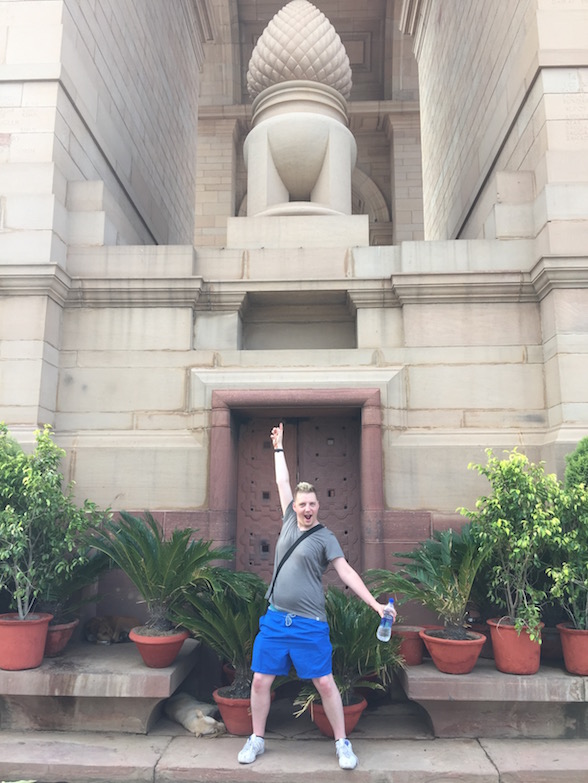
Me pointing out a feature on India Gate.
India Gate close up (1).
India Gate close up (2).
The next blog post in this series titled My India Adventure (Part 6) – The Taj Mahal, I will be sharing photos of Taj Mahal’s architectural brilliance. The post will be coming soon, so keep an checking back for updates.