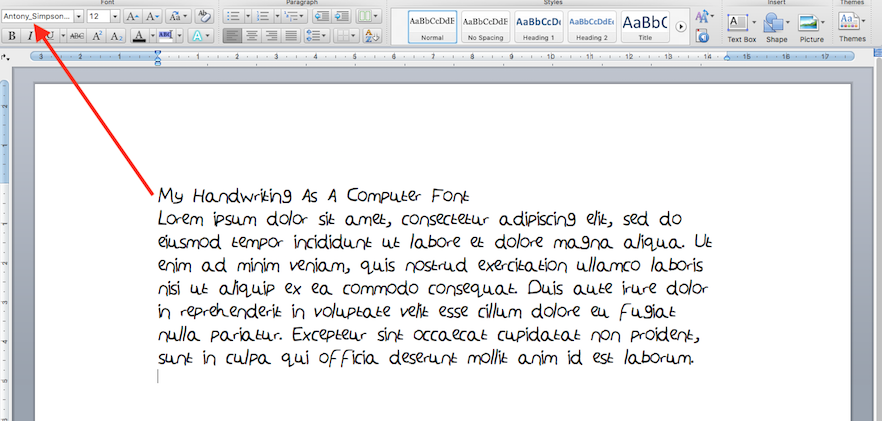
A while back I discovered how to turn my handwriting into a computer font. Here were the results:
Here’s my handwriting as a computer font. Click anywhere on the image for a larger image.
So how did I do it?
Well it was easy. I used a website called MyScriptFont, which has since been discontinued and replaced by a paid service.
However I’ve found YourFonts which works for free. Simply go to their website and follow the 7 easy steps. Then you’ll have your handwriting as a computer font.
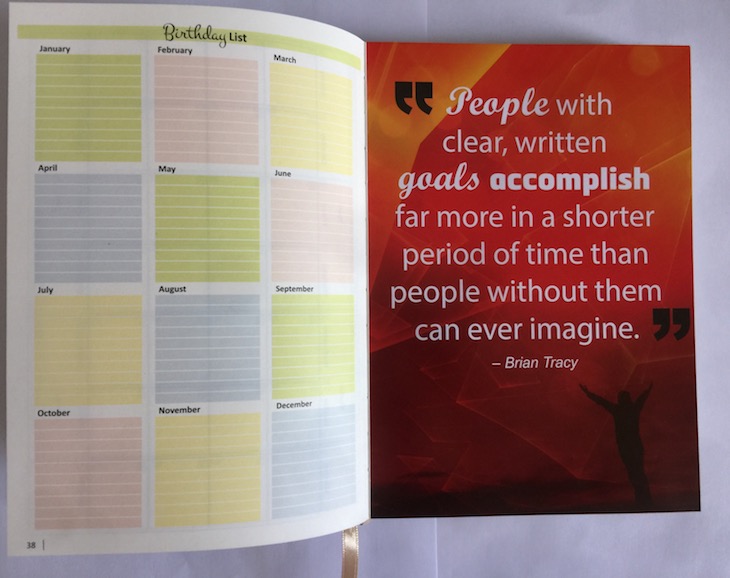
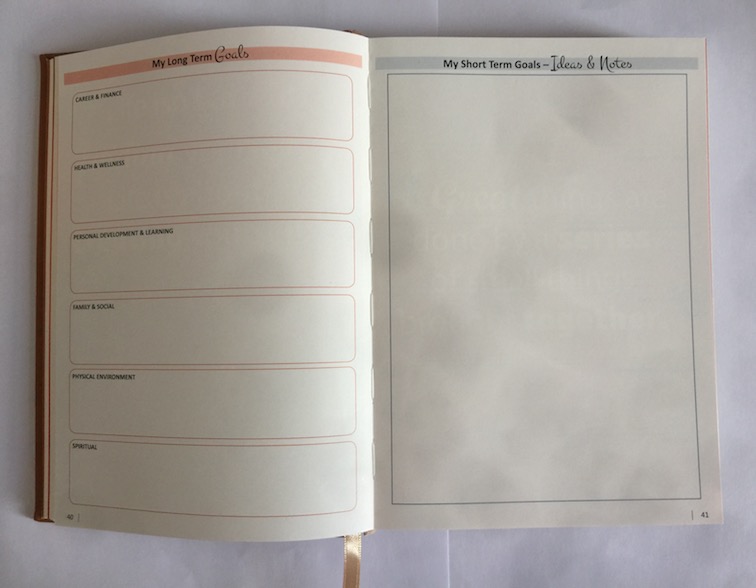
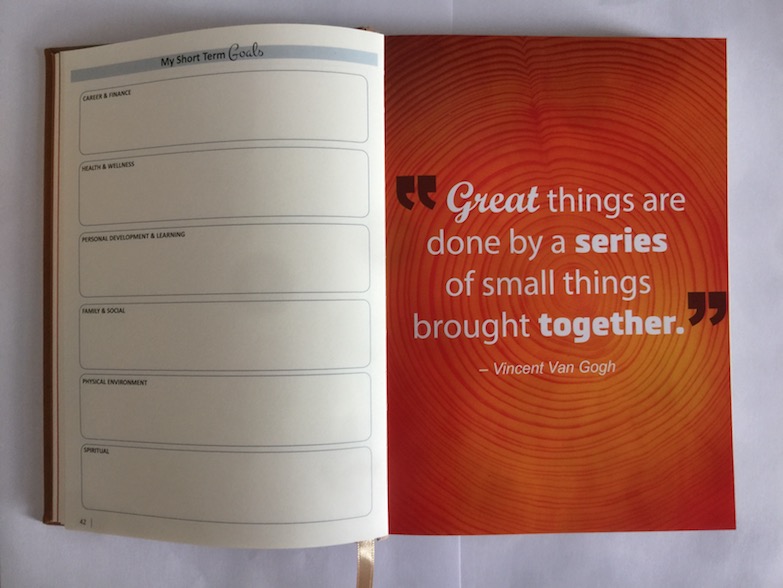
The Inspire Now Journal by Inspire Now Daily is the best goal-focused journal aimed at increasing productivity and helping you to achieve your goals on the market.
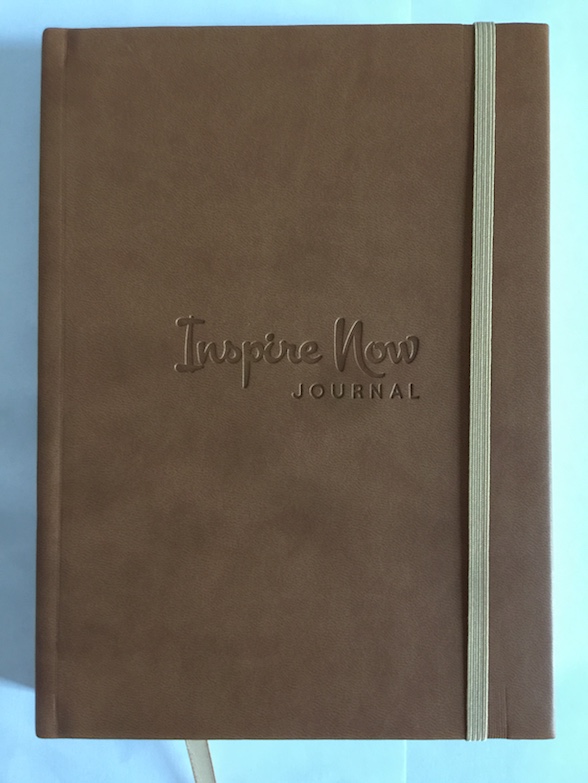
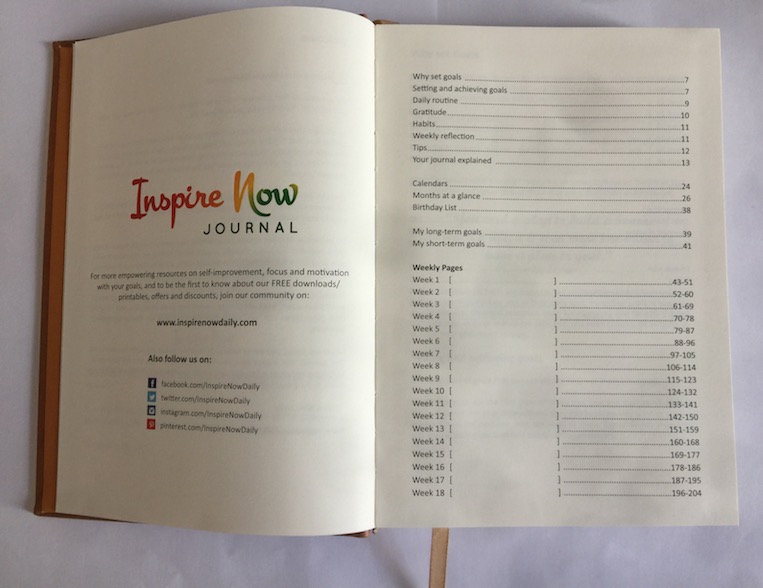
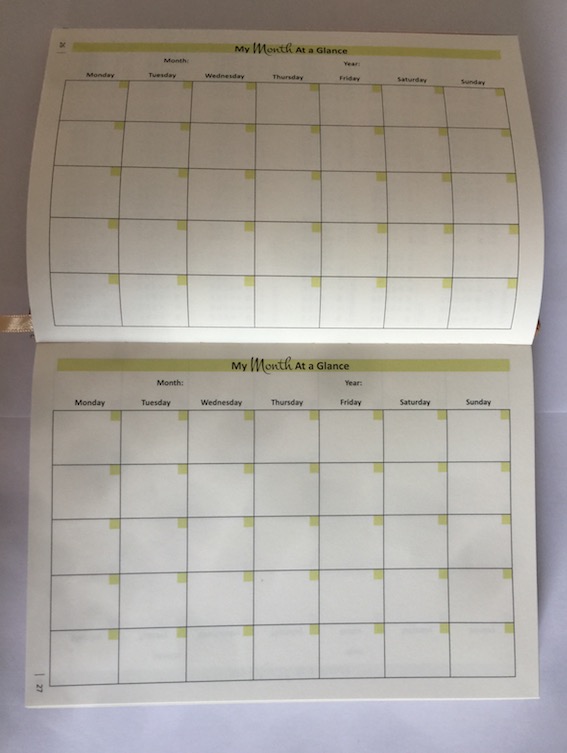
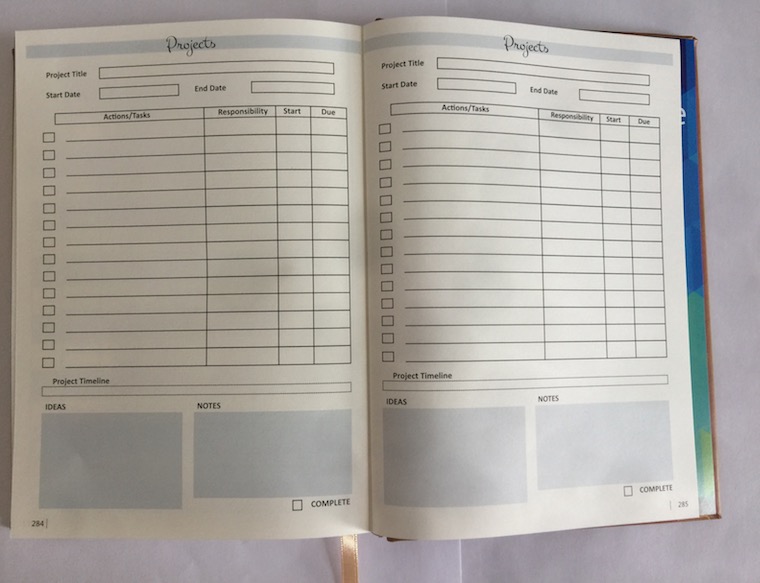
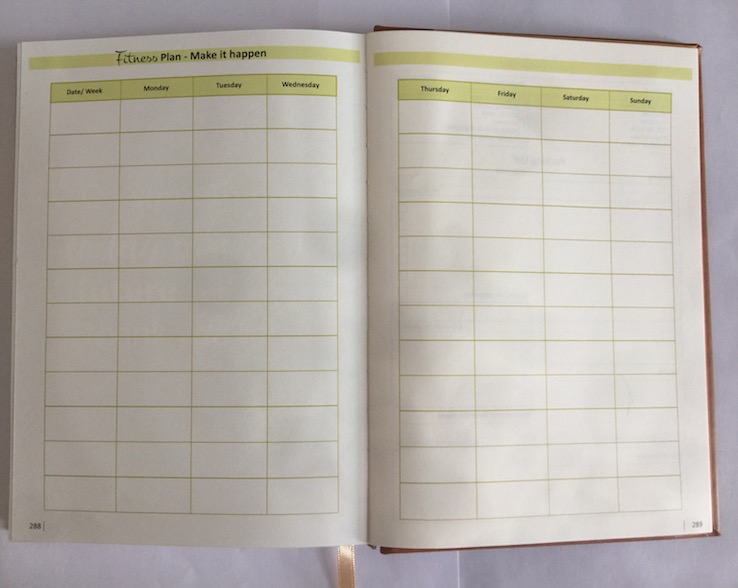
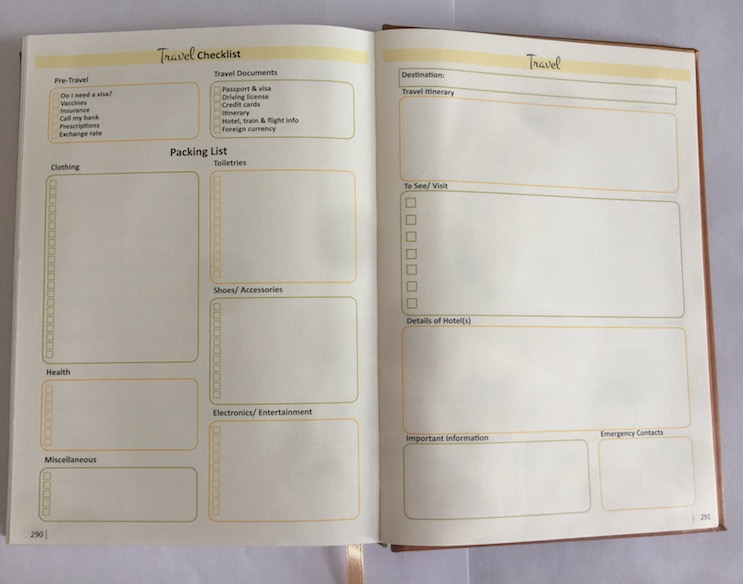
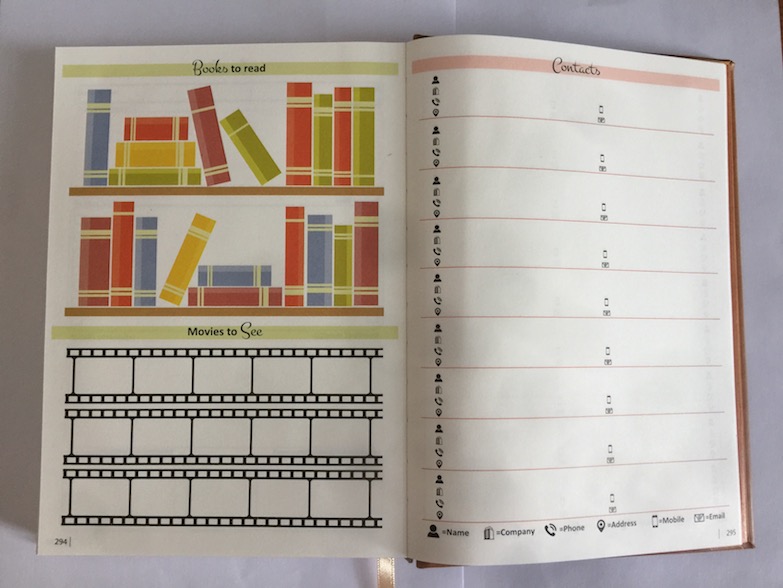
The Inspire Now Journal CoverInspire Now Journal contents.Monthly Planner.Birthdays and Glossy Quote pages.Long and short term goals.Short term goals and glossy quote pages.Weekly and Daily Planning pages.Weekly Reflection page.Savings Chart.Debt Management pages.Payment Checklist pages.Project pages.Fitness Planning pages.Travel pages.
Books, Films and Contacts.
Like any productivity journal the Inspire Now Journal has Pros and Cons. Here they are:
Pros
Its design is appealing – brown leather cover and ever every page has colour.
It’s dateless, meaning you can start using it at any time.
It has a 7 day week.
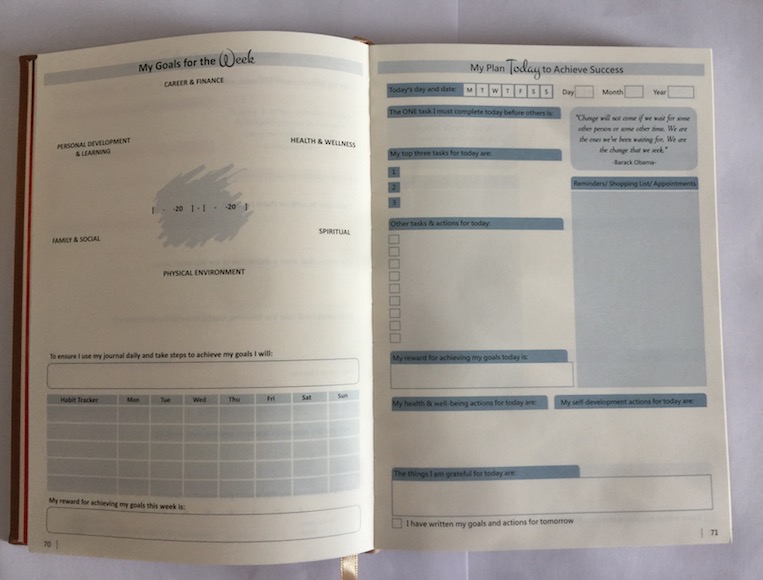
It prioritises tasks into: One task must be completed today, top three tasks and other tasks and actions.
It has inspirational quotes throughout. Including one for every day.
Daily pages also include the following sections: Reminders/Shopping Lists/Appointments, Reward for achieving goals, health & well-being actions, self-development actions and things I am grateful for today.
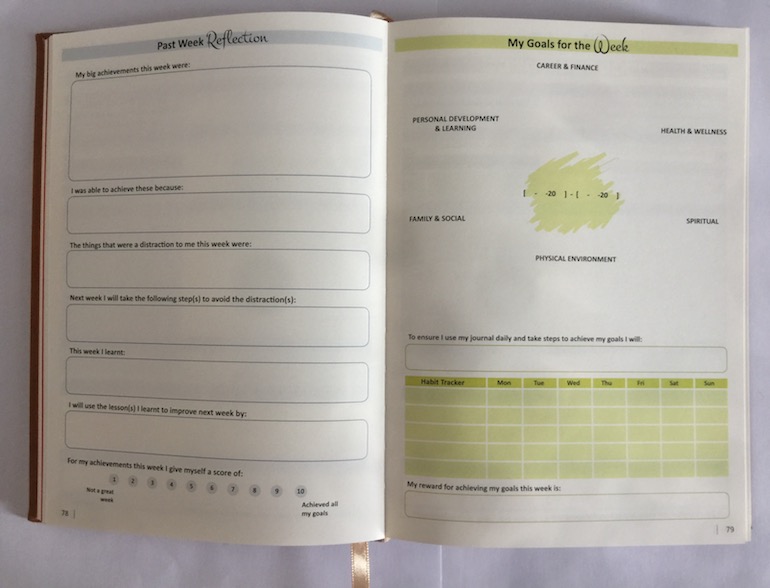
Weekly pages include the following sections: goals – split into categories (Career & Finance, Personal Development & Learning, Health & Wellness, Family & Social, Physical Environment and Spiritual), habit tracker and reward for achieving my goals this week.
Past Week Reflection pages include: big achievements this week were, how I was able to achieve these, next week I will take the following steps to avoid distractions, I learnt, I will use lessons I learnt last week to improve next week by and a Achievements Score (1-10) for the week.
It has Calendars for 2016-2019.
It has Month At a Glance pages.
It has a Birthday List page.
It has Long Term & Short Term Goal pages, along with Ideas & Notes pages to go with these.
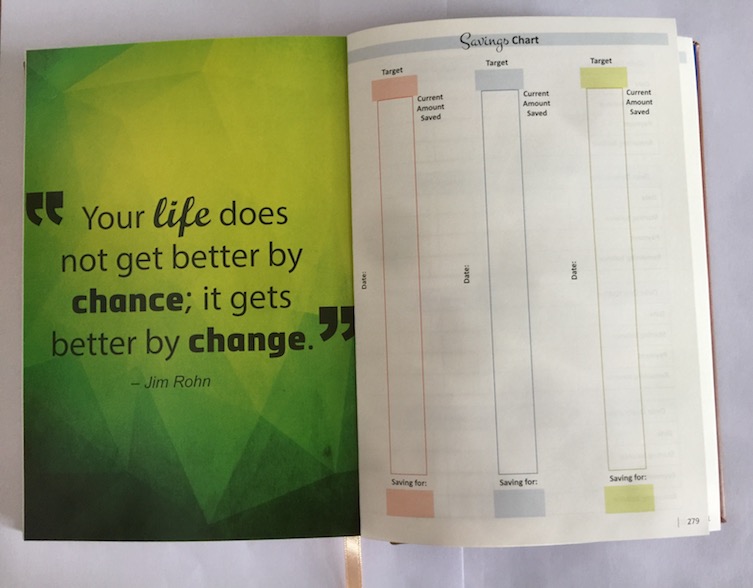
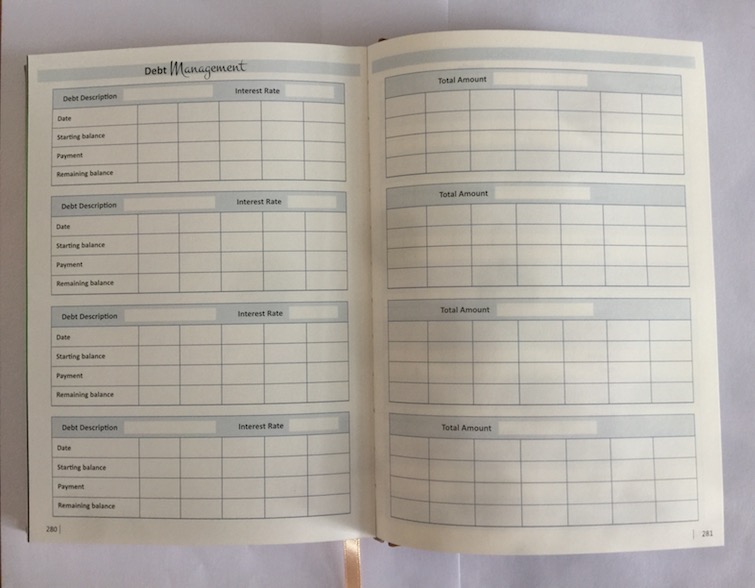
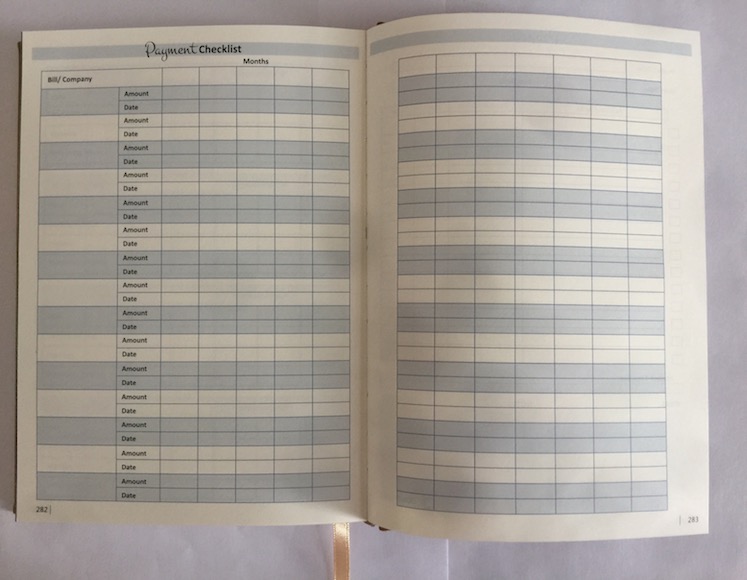
It has a Savings Chart page, Debt Management pages, Payment Checklist pages, Project pages, Fitness Plan pages, Travel Checklist pages, Books to Read & Movies to See page, Contacts pages and Notes pages.
It has a bookmark ribbon and an elasticated closure.
Cons
The tasks & actions on the daily pages are too small to write in. I usually have to write over two lines.
No daily rating for achievements.
No specific section on daily pages for General Notes & Ideas.
There are undoubtably pages/sections that you wont use. For example, I will never use the Debt Management pages, Payment Checklist pages and Fitness Plan pages.
The planner only has 6 months worth of pages in it. However it would be impossible to make the journal any bigger.
The Inspire Now Journal is brilliant and a journal that I love. Once you get in the routine of using it, you will wonder how you have ever managed without it.
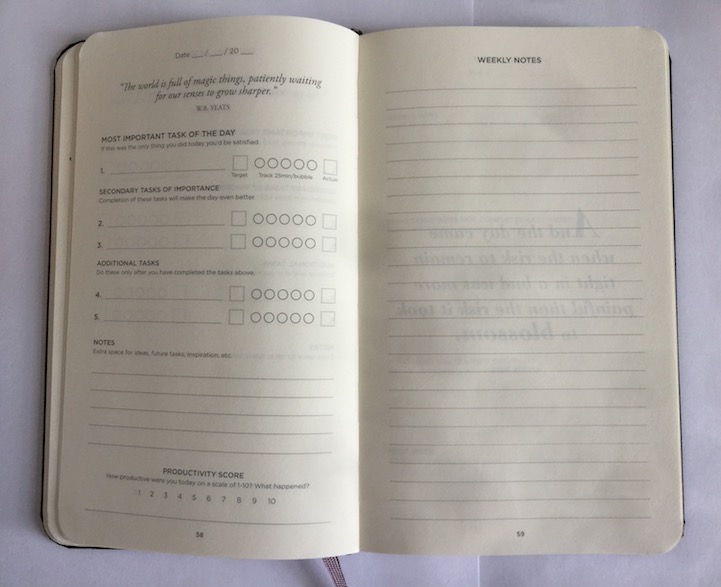
It focuses on single-tasking rather than multi-tasking and doing the most important task of the day first. It also uses The Pomodoro Technique. The Pomodoro Technique is working on a task for 25 minutes without distraction or procrastination and then taking a 5 minute break.
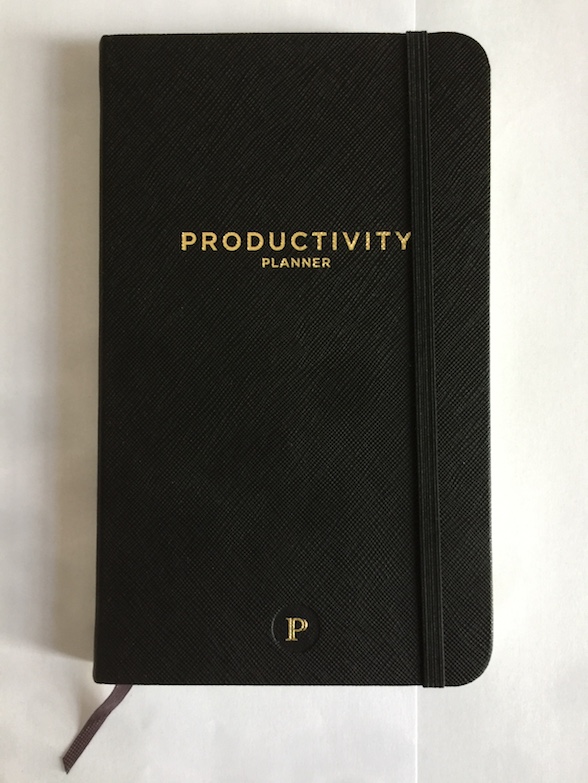
Like any productivity journal the Productivity Planner has Pros and Cons. Here they are:
Pros
Cons
Its design is smart and business-like.
It’s compact and light to carry.
It’s dateless, meaning you can start using it at any time.
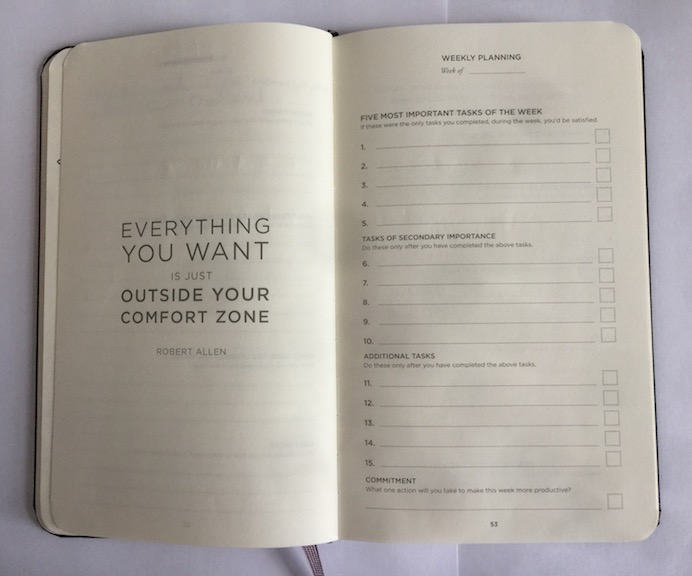
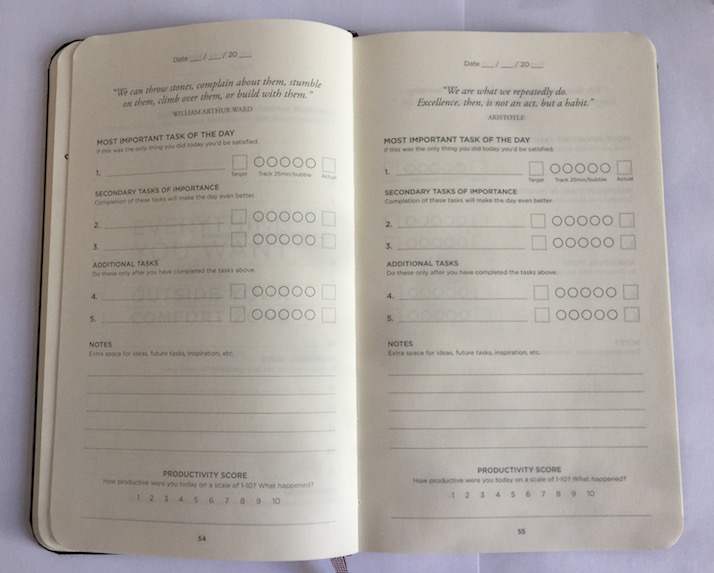
It prioritises tasks into: Most Important, Secondary and Additional.
It has Weekly Planning/Review sections.
It has a place for Notes on each day and a full Weekly Notes page.
Every daily page has an Inspirational Quote and a Productivity Score (1-10).
It has circles next to tasks to measure time. You set a Target and then record the Actual, helping you to allocate a more realistic amount of time for tasks.
It has a bookmark ribbon and an elasticated closure.
It is really designed for business use. It only has a 5 day week.
There’s no Done boxes to tick tasks off on the daily pages.
The planner only has 6 months worth of pages in it. Meaning you would need to buy two for 1 year.
It is expensive for a journal, being priced at £20+.
There’s no short term, medium term or long term goal setting pages.
There’s no monthly or yearly view pages.
It is black and white throughout.
There isn’t anywhere to record rewards for completing tasks. I find rewards really motivating.
There’s no way to organise tasks into groups, e.g. Personal, Business, Health, Family/Friends, etc.
This is the sixth and final in a series of Did You Know? blog posts. Each blog post gives fascinating facts on a particular topic. In part 1 the topic was science. In part 2 the topic was history. In part 3 the topic was geography. In part 4 the topics were art & music. In part 5 the topic was animals.
Today, I give you ten facts about Technology:
1. The first mobile phone call was made by Martin Cooper in 1973.
2. The first iPhone was released in the UK in 2007. Today there are more than 682m iPhones in the world.
3. Alan Turing is most well-known for being an excellent code-breaker in World War 2. He happened to be gay and was castrated by the UK state for his sexuality. But he also proposed founding theories about how to make computers work and computer science.
4. The World Wide Web (WWW) was invented by Sir Tim Berners-Lee in 1989. Today £1.7trillion is spent online in a year, 3m emails are sent every second (mostly SPAM) and there is countless amounts of data on the internet.
5. The X-ray was invented by Wilhelm Conrad Röntgen in 1895. The idea for the CT (Computed Tomography) scanner was first imagined by Godfrey Hounsfield in 1969. Hounsfield presented his idea to Dr. James Ambrose and they worked together to make his idea a reality. The MRI (magnetic resonance imaging) scanner was developed by a number of people. The X-ray, CT scanner and MRI scanner have all revolutionised medicine, by allowing doctors insight to what it going on in a patient’s body, without the need for invasive surgery.
7. Someone using a computer will blink 7 times a minute, rather than the normal 20 times a minute. This is because they are concentrating more on the screen.
8. Technology of Sci-Fi TV shows and films is now becoming a reality. For example, in Star Trek computers respond to verbal commands and its responses were relatively intelligent. Today we have Siri (Apple), Alexa (Amazon), Contina (Windows) and Android Voice Commands (Google/Android).
9. The operating system Linux is huge across servers, computers, tablets and smartphones. The chances are you use it without even realising. Linux is on every Android device, along with being on most serves (computers that host websites) in the world. Facebook, Google and Pinterest all run on Linux servers.
10. The people at Wired.com were the first to come up with banner advertisements, which are now used on most commercial websites.