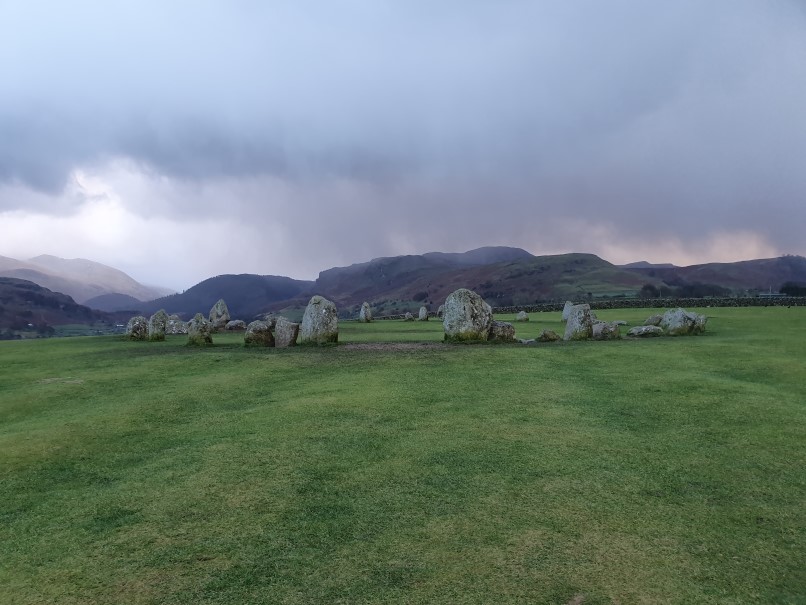
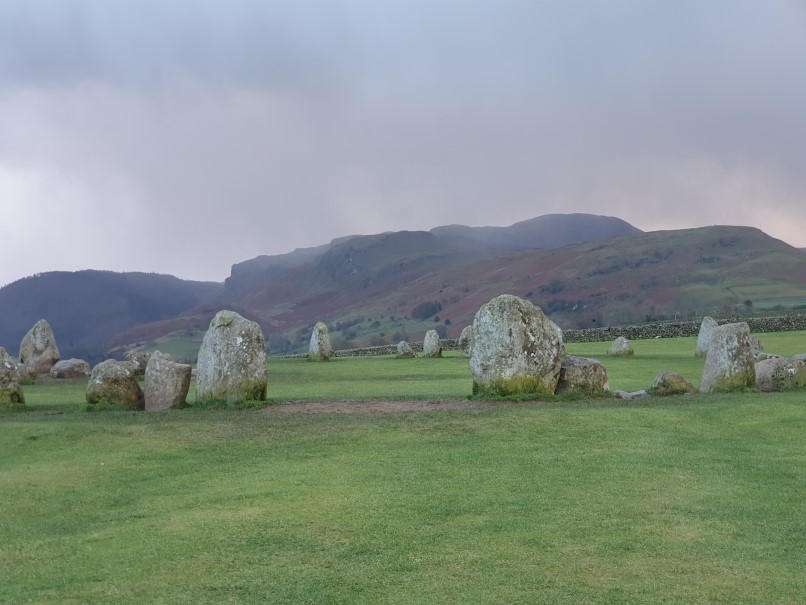
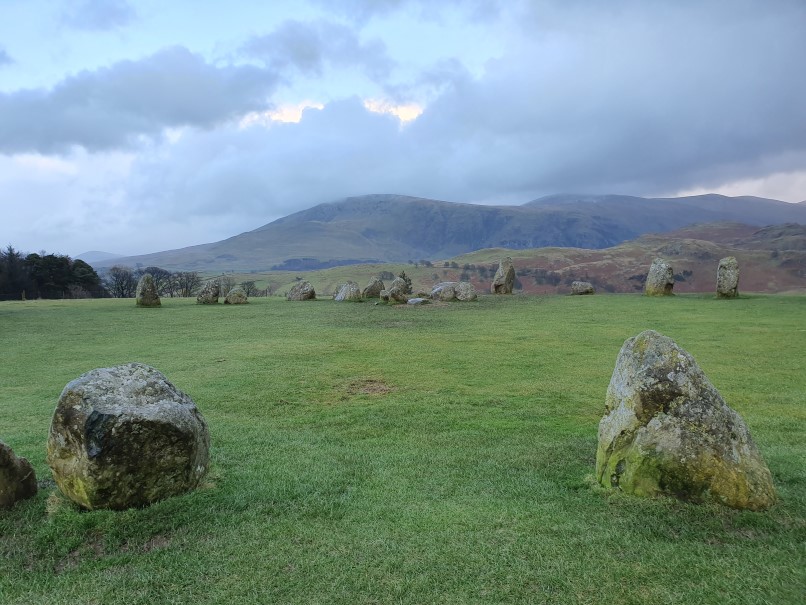
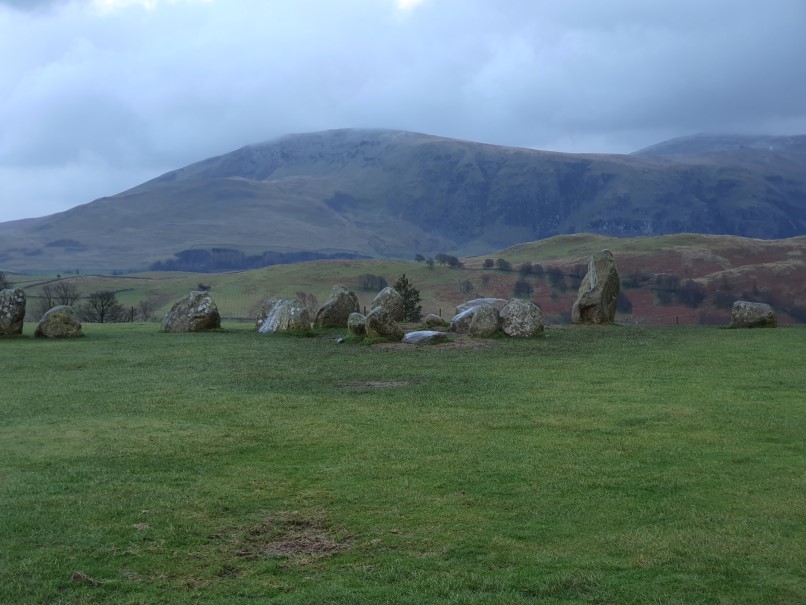
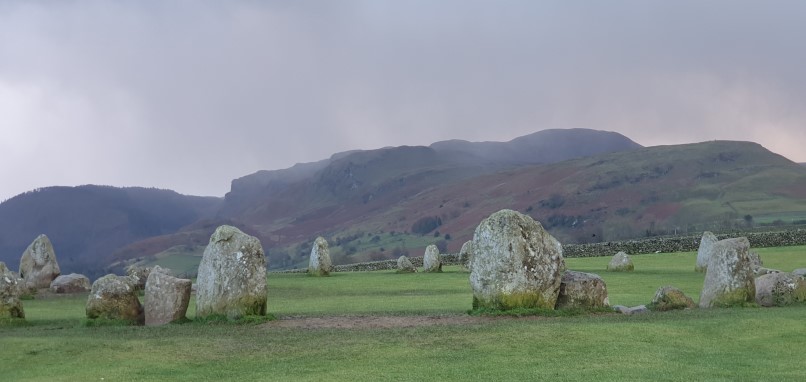
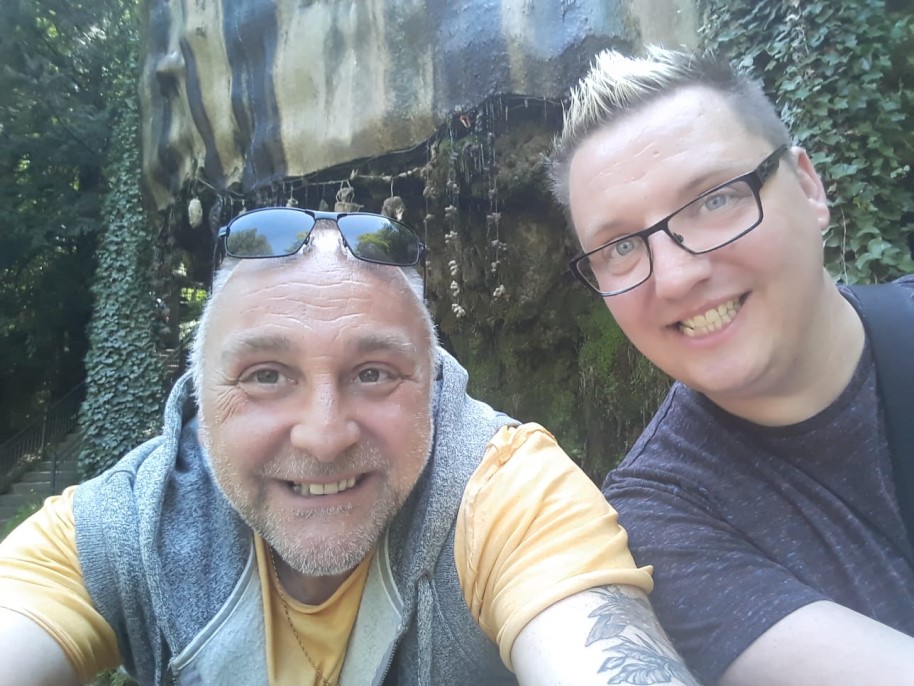
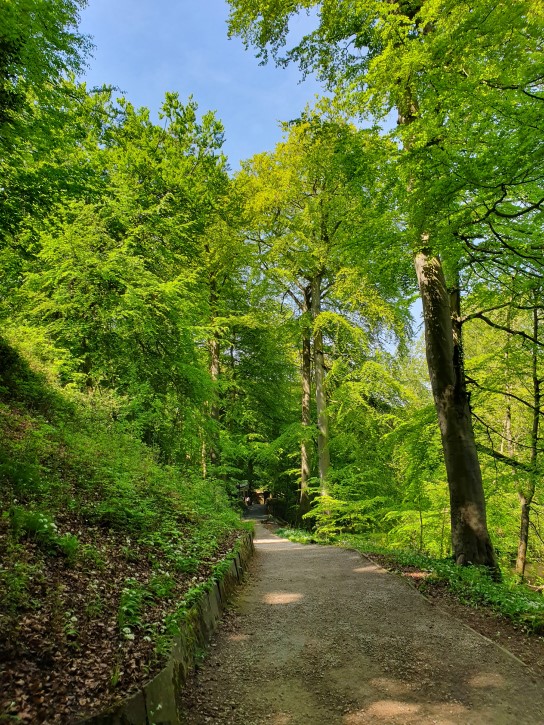
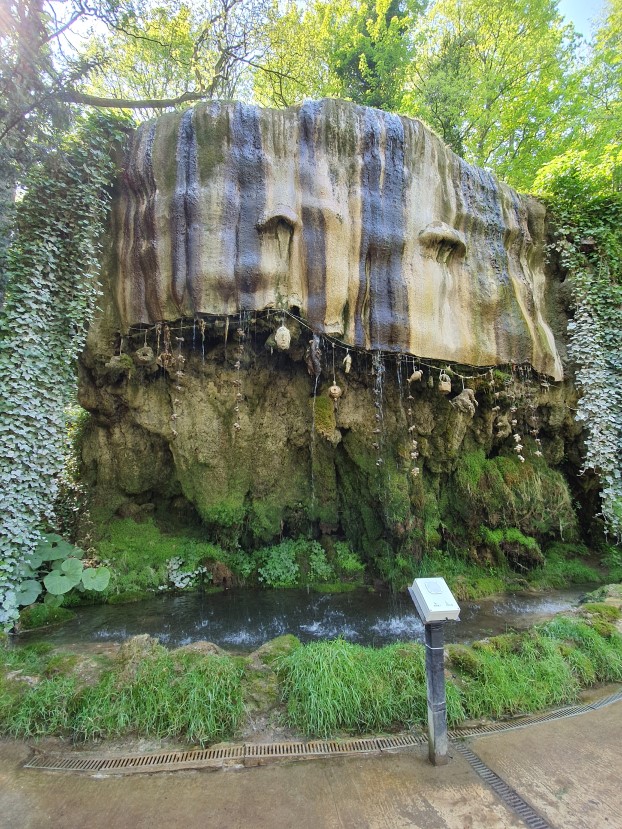
Yesterday, my good friend Simon and I braved the weather to visit Castlerigg stone circle in Keswick, the Lake District. The weather consisted of bitterly cold winds with regular spells of rain, but despite the weather, we still had a good time.
Here is a video I took of Castlerigg Stone Circle:
April brought a change to my medication for my mood disorder. This change led to an unstable mood and would lead to a crash into a depressive episode later on in the year.
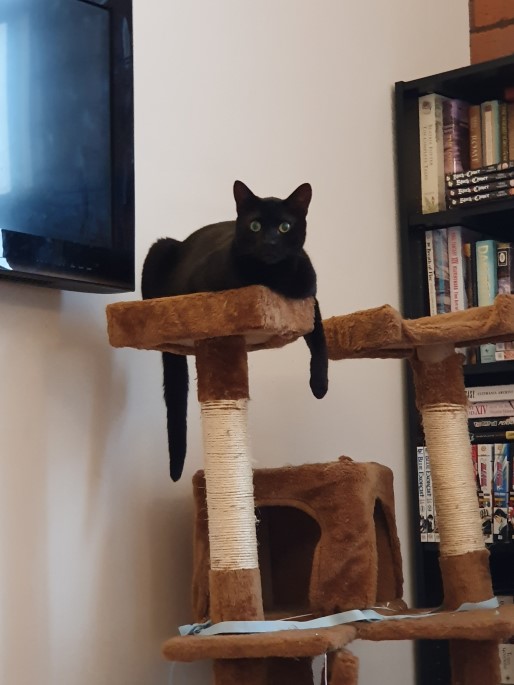
In April I also got my gorgeous kitten, a black Bengal that I named Nicholas:
Nick, my black Bengal kitten, he wouldn’t take his eyes off me, I think I was being stalked :P.
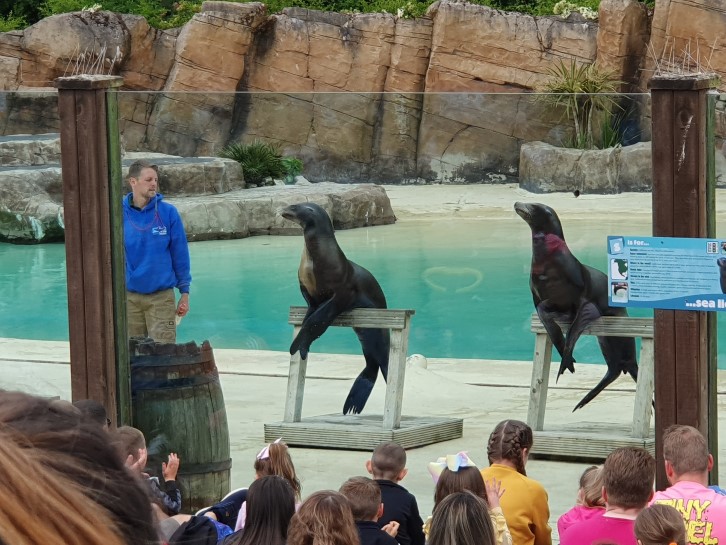
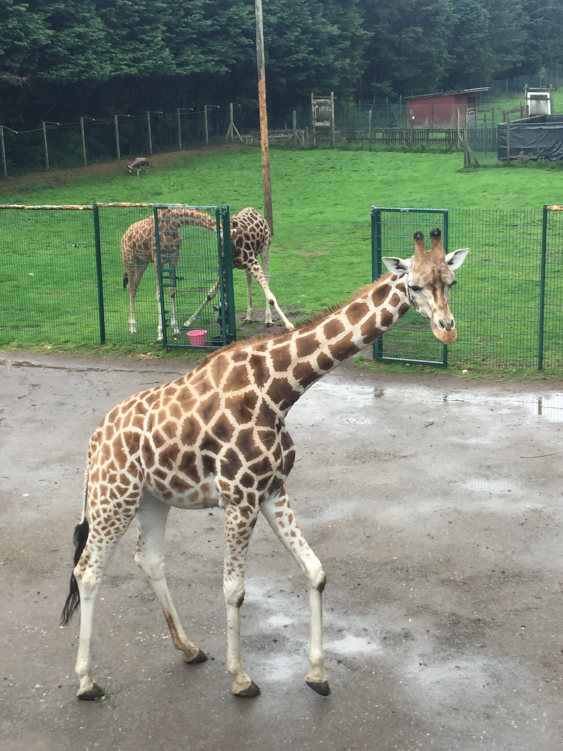
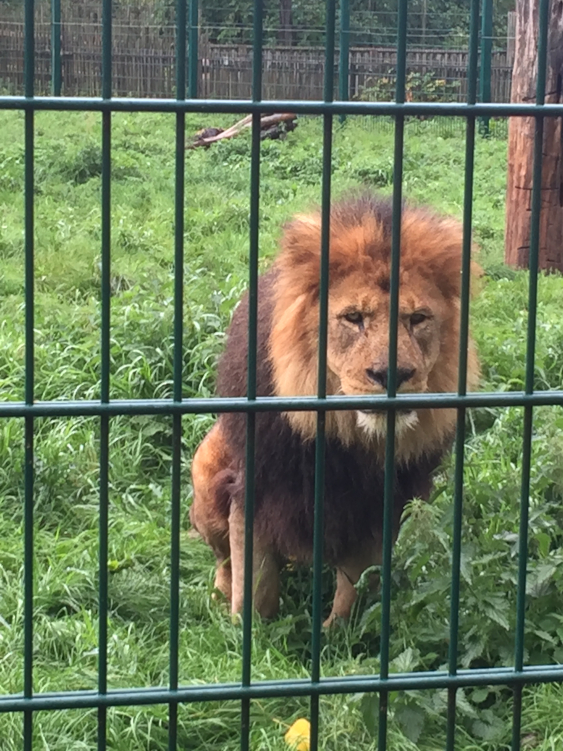
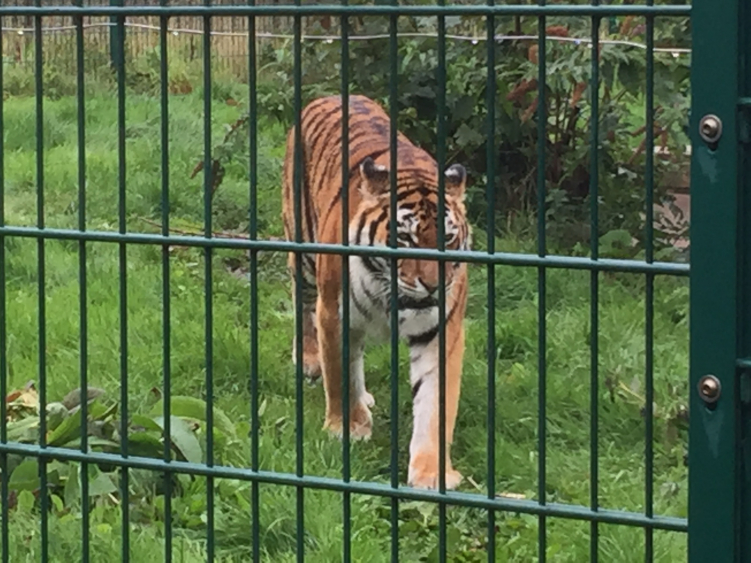
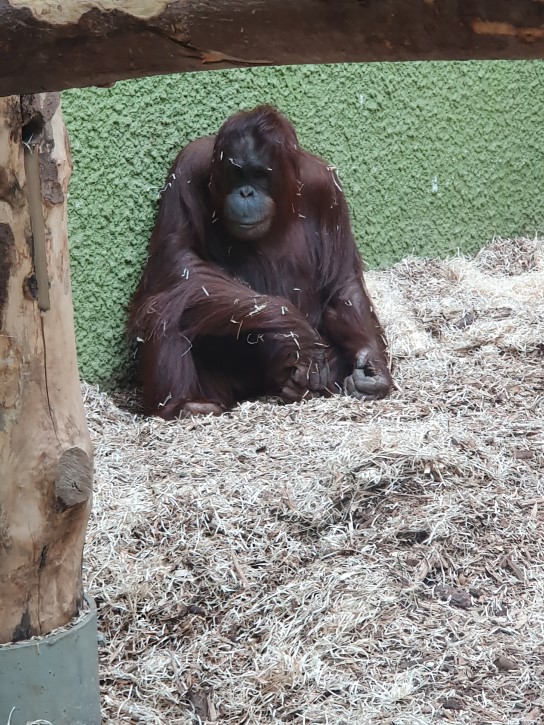
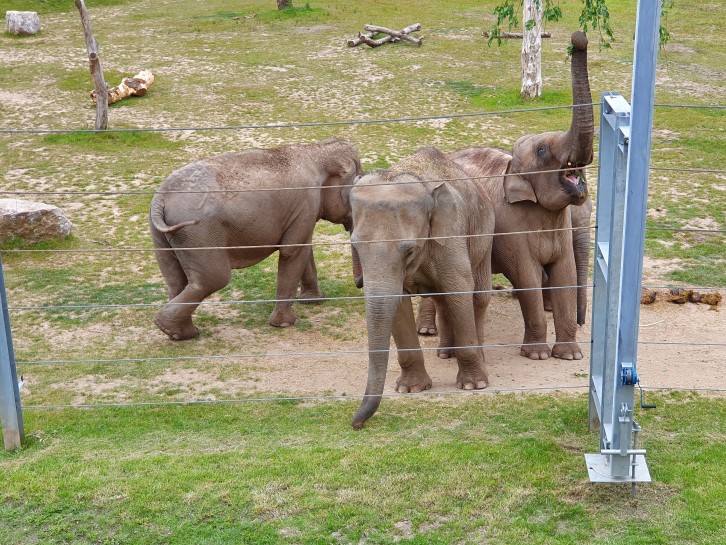
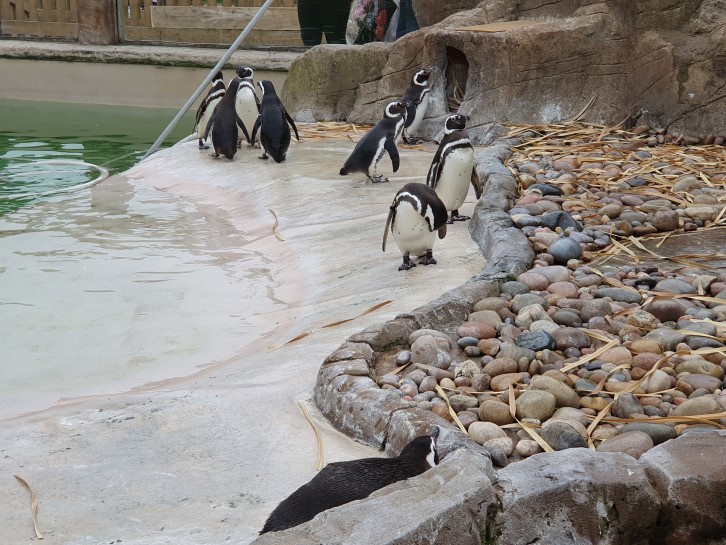
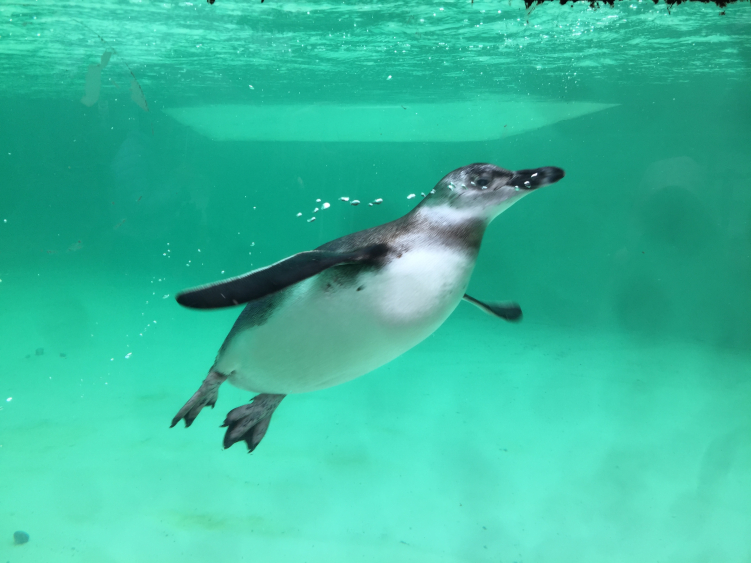
The Californian Sea Lions (3).Quickly becoming my favourite animal, the giraffes. What I love about giraffes is that every time I’ve politely called over to one (in different Zoos I might add), they come over. They look at me with their big black eyes and some times, if I’m really lucky, they let me take a photo before they walk off.This is how close we got to a Lion. Able to look in its eye and see the intelligence, along with the hunter instinct. He appeared to be eyeing us up as a snack. Blackpool Zoo had two male Lions living in the enclosure together from what I saw. They seemed pretty well bonded and one went and groomed the other while we watched.Look how close we got to this tiger at Blackpool Zoo. In Chester Zoo I don’t think I’ve ever seen a tiger, let alone been able to get close enough to appreciate its stripy beauty.Orangutan. The parade of Elephants.Penguins.This photo of a penguin is most probably the best photo I’ve ever taken. The penguin was swimming at great speed, although you wouldn’t have guested. I looked at this photo when I got home and it looks like it was taken by a professional. A total fluke.
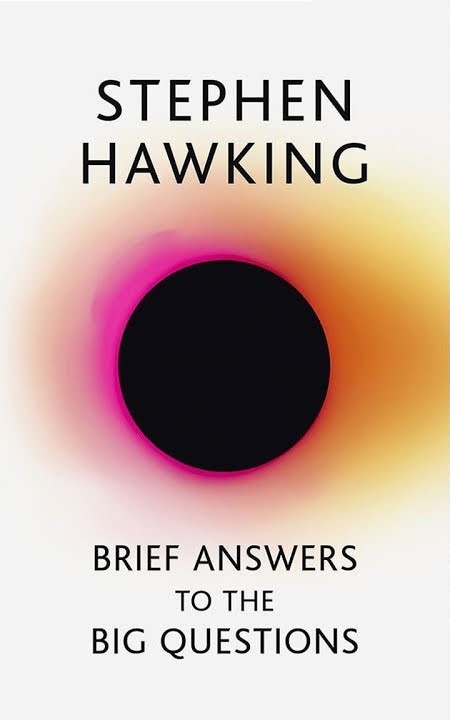
Brief Answers To The Big Questions brings together a range of talks and presentations delivered by Stephen Hawking to answer these ten questions:
1. Is there a God?
2. How did it all begin?
3. Is there other intelligent life in the universe?
4. Can we predict the future?
5. What is inside a black hole?
6. Is time travel possible?
7. Will we survive on Earth?
8. Should we colonise space?
9. Will artificial intelligence outsmart us?
10. How do we shape the future?
Hawking starts by telling his story. Here’s a quote that I think is fantastic:
One of the great revelations of the space age has been the perspective it has given humanity on ourselves as a whole. We see the unity, and not the divisions. It is such a simple image with a compelling message; one planet, one human race.
Hawking discusses physics, mathematics, general relativity, thermodynamics and quantum physics. He explains on the laws of the universe and science, and what we know and don’t know.
Hawking makes predictions for the future and not just ones related to particle physics or the science we don’t yet understand. He makes predictions about the future of the human race. The first half of the book is science-heavy, almost like Hawking was flexing his academic knowledge and showing what he knows. The latter half of the book is more about inspiration, imagination and hope for the future.
Hawking explains scientific concepts in an engaging way, that stretches the mind of the reader and writes with passion that pours off the page.
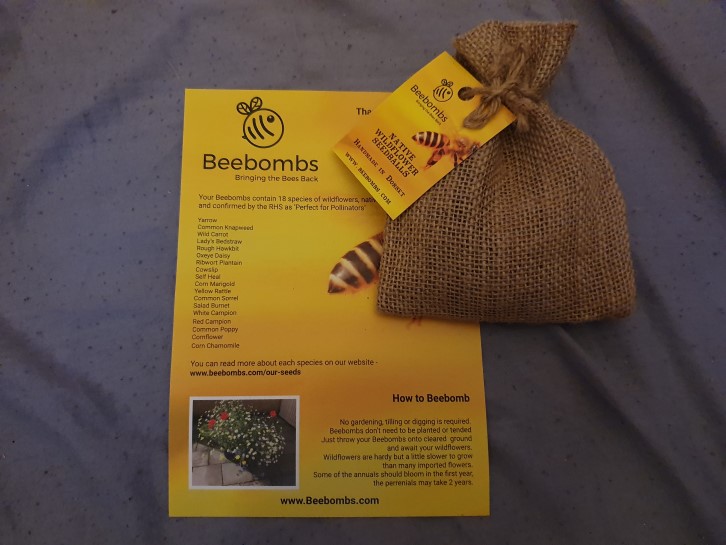
Reading Time: 2minutesBeebombs are pellets containing various seeds of wildflowers, clay and compost. The wildflowers are all ones that Bees love and that will help them survive and hopefully flourish.
My 33rd birthday was a big one on a pagan and magical front. Magically spells are said three times. In Numerology, 33 would equal 3+3 = 6. Six is The Nurturer, which couldn’t be closer to the values associated with paganism.
So for my birthday this year, I decided to buy something small for some family and friends that would help nature. Then I came across an Ad for Beebombs.
Beebombs are pellets containing various seeds of wildflowers, clay and compost. They are handmade in Dorset and all of the packaging is recyclable.
Since World War 2, the Bee population has dropped by 97%. We all remember being at school being taught about the food chain and the web of life. If the Bees die out, those animals that eat the Bees could die out, then the animals that eat them and so on.
The Beebombs don’t need to be planted, they are simply be scattered. Just know that the wildflowers contained require a lot of sunlight, so don’t scatter anywhere where they will have a lot of competition for sunlight.
According to the makers, they are safe for pets. They do contain Poppy seeds, which are toxic to cats, but only in small quantities and not enough to cause harm to cats.
The wildflowers that will grow from the Beebombs are slow growers and it make take up to 2 years to fully grow. They are all wildflowers that that Bees love and that will help them survive and hopefully flourish.
I bought five Beebombs bags. One I scattered close to where I live. One I gave to mum and papa. One I gave to Simon. One I gave to Kay for her mum’s garden and one to Jayne. Everyone has loved them. They make great gifts, providing that the people you give them to aren’t scared of Bees and or butterflies.
I should point out that I haven’t been paid or compensated in anyway by the makers of Beebombs for this post. I just thought they were cool and wanted to share.