November 2026

5 Random Pages From Mental Health Wisdom by Antony Simpson

Reading Time: 2 minutes

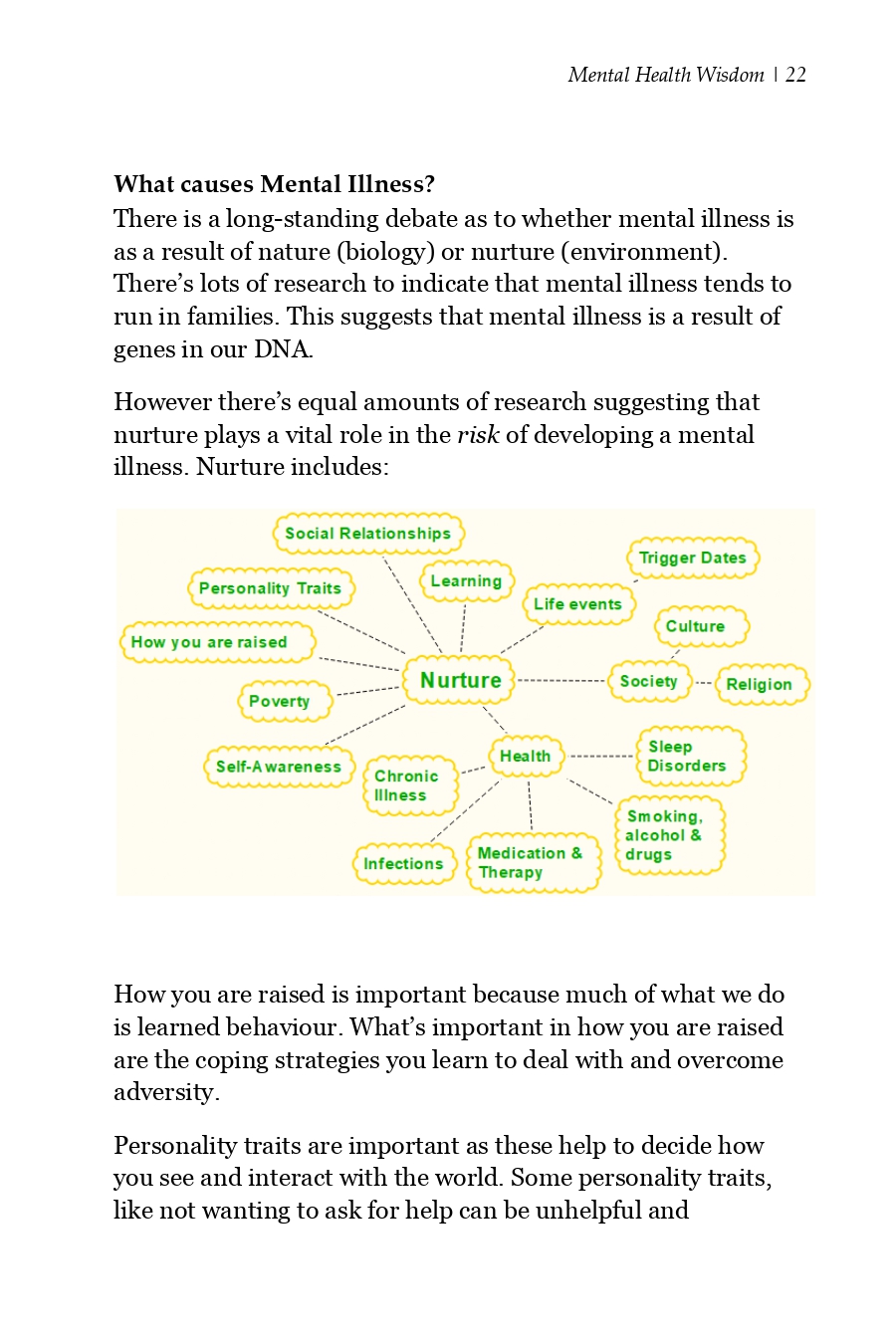
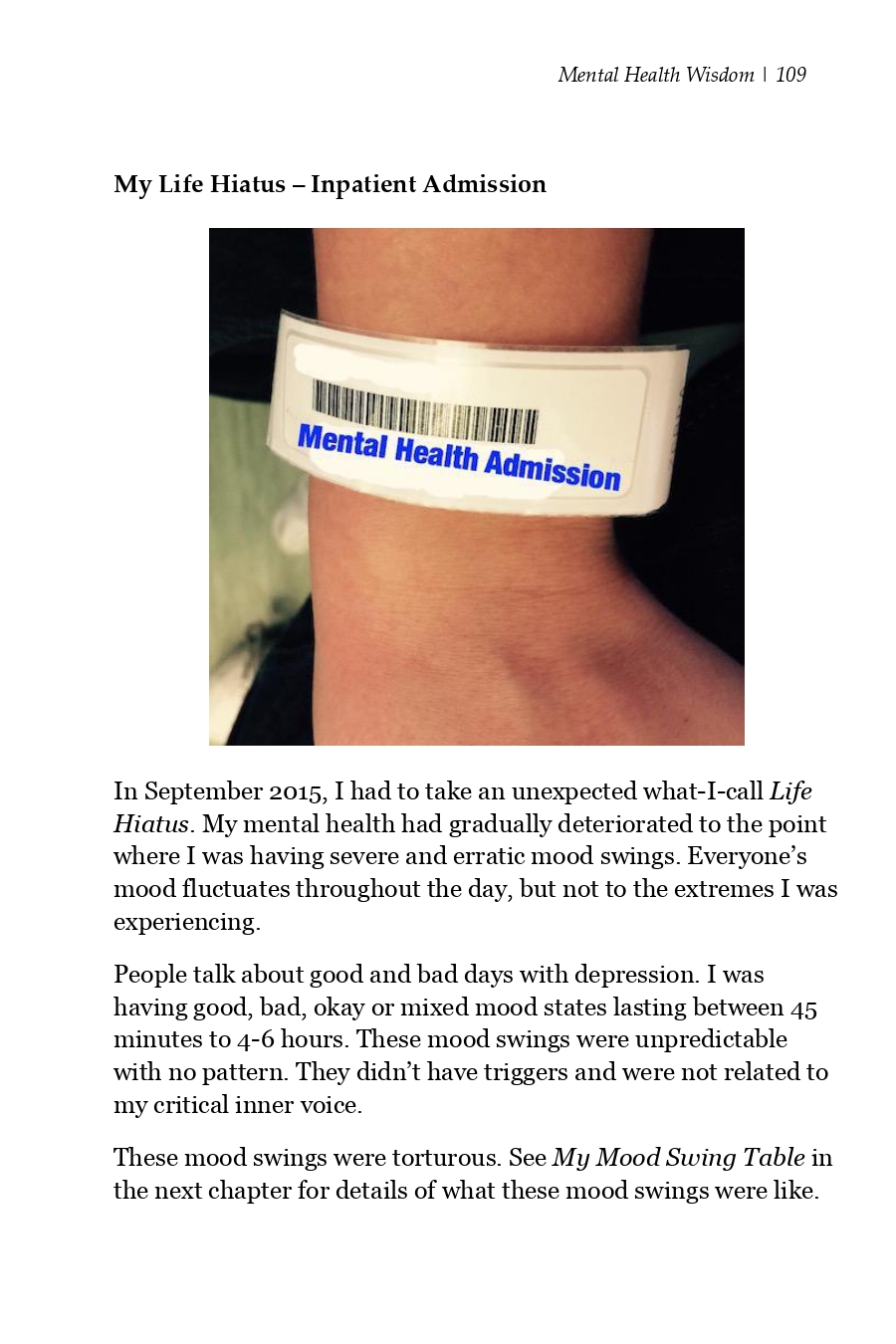
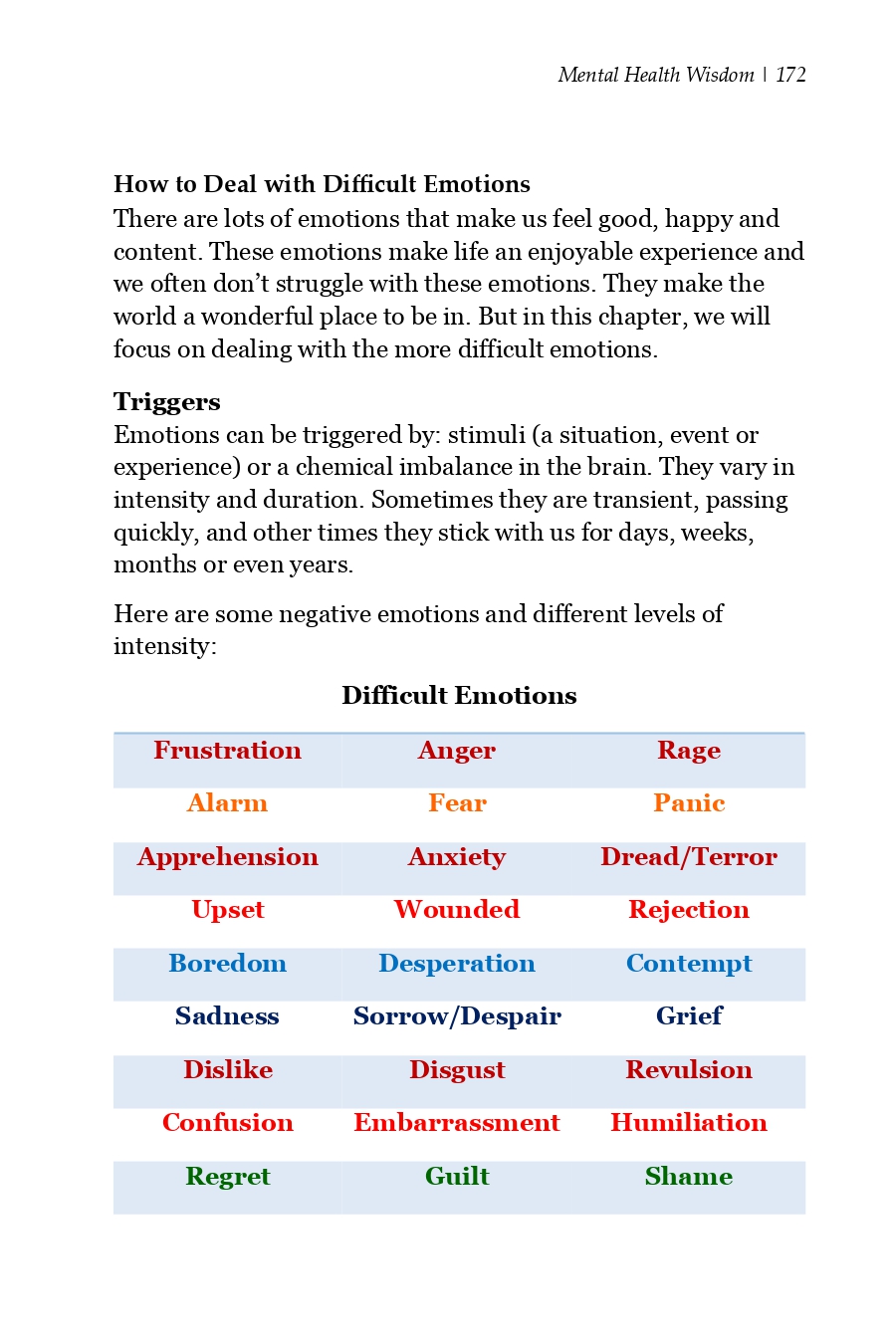
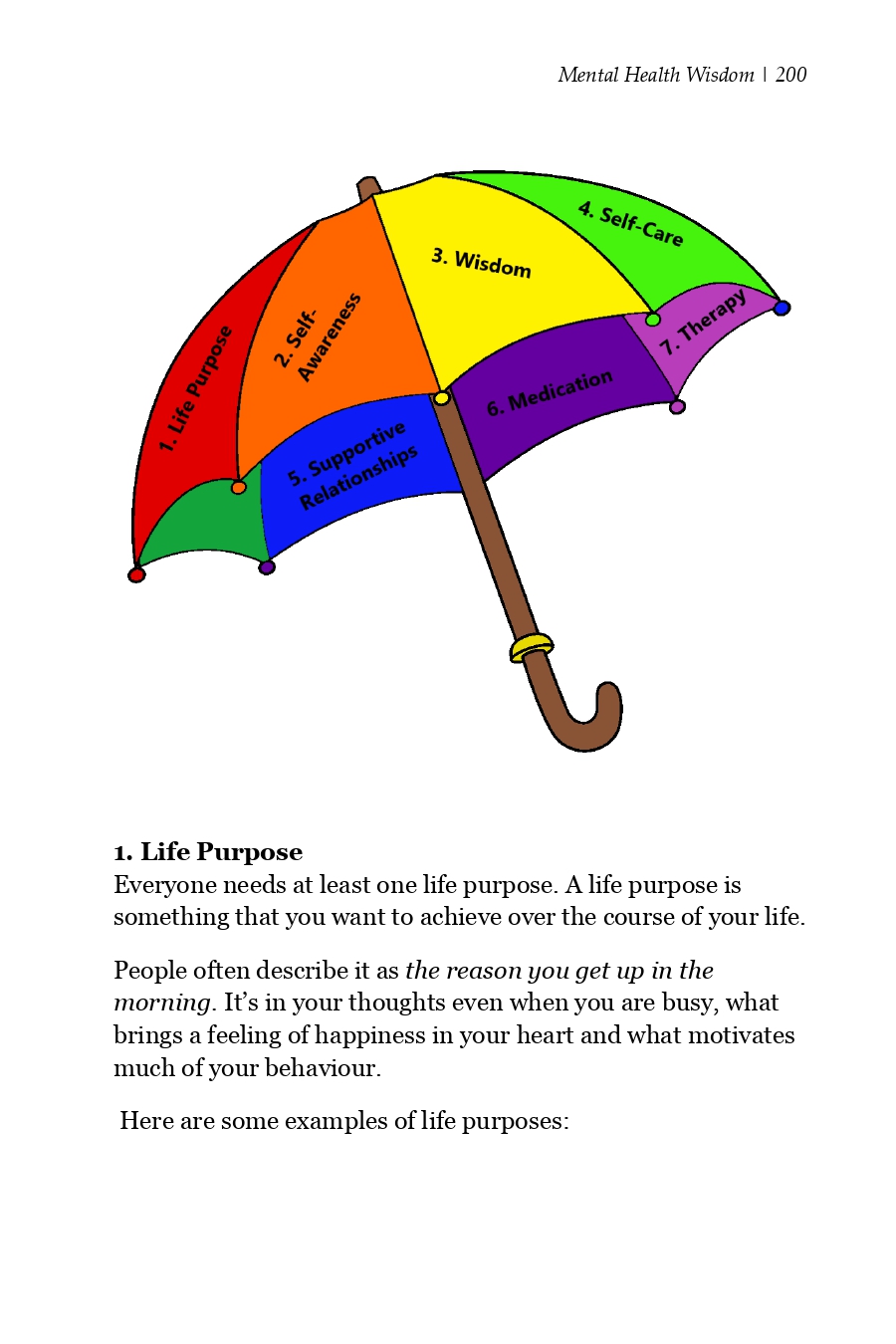
Here are 5 random pages from my book Mental Health Wisdom, click on any image for full size:
From the back cover:

This book contains everything that you need to know about mental health and mental illness.

Mental Health Wisdom is divided into three sections. Understanding is section one and is all about the facts of mental health. Including: mechanics of the mind, causes of mental illness, famous people who have experienced mental illness, a list of common conditions, the secrets to self-awareness and much more.

In section two, Empathy Through Lived Experience, the author shares his personal experience of mental illness. Including: the impact of mental illness on the individual, family and friends, catastrophic thinking, rumination and the critical inner voice, signs that someone is struggling, his experience of being admitted on a mental health ward, his journey through recovery, his mental health playlist, inspirational quotes about mental illness and much more.

Life Hacks is section three. It’s all about self-care and quick and easy ways to improve your mental health, prevent mental illness or relapse of mental illness. Including: the well of resilience, tips to deal with worry and anxiety, great ways to relax, reasons to keep a gratitude journal, tips for a better night’s sleep, a strengths-based decision-making model, daily mood diary, how to support someone with mental illness and much more.

You can learn more about the book here: Mental Health Wisdom

You can read the 1st chapter for FREE here: Read FREE 1st Chapter (PDF)

You can buy a signed paperback from me here. You can view the book on Amazon (UK) here.

If you liked this post, you might like my All Mental Health Content and All Happiness Content pages.

Blog soon,

Antony

Support

I recognise that people visiting this page/post might want to know where they can get support.
If you require support around your mental health, addiction or physical health, see this Support page here.

Learn more about lifetime Fanatic membership.
Share on Social Media:
Amazon, Books & Authors, Health, , , , , , , ,

Dealing With People That Feel Entitled Or Are Always The Victim

Reading Time: 3 minutes

Recently, in day to day life, I’ve come into contact with a number of people that seem to feel entitled to preferential treatment or are always the victim. I always try to be compassionate and kind to everyone I meet, no matter how people treat me. I often remind myself: Antony, you don’t know what this person is going through, or what challenges they are facing at this moment.

The Definitions of Entitled & Victim

To better explain the people I’m writing about and how these people think, feel and behave (what they say and do), here are the definitions of entitled and victim:

Definition: entitled

– assuming or acting as though one has an innate right or claim to wealth, success, recognition, etc..

(From: Dictionary.com, last accessed: 02/11/26.)

Definition: victim

– one that is subjected to oppression, hardship, or mistreatment

(From: Merriam-Webster, last accessed: 02/11/26.)

mental-health-wisdom-banner

Compassionate & Kind

My approach with all people is to be compassionate and kind. But I’ve noticed that people that act entitled or are always victims don’t mimic my approach. Instead their sense of entitlement behaviours, or their perceived victimhood gets worse. Sometimes to the point where they can get rude, disrespectful or even go on a verbal rant or attack (often without a justifiable cause).

It feels like my compassion and kindness are mistaken for weakness. It feels like these people see an opportunity to socially misbehave and do so. I’ve realised that by being polite, compassionate and kind, it enables some people to behave in an entitled way or create new situations where they can become the victim.

I’ve made the important decision to change my approach with people that are acting entitled or always the victim.

Minimise Contact/Interactions, Match Their Attitude & Hold Them to Account

My new approach has three steps:

  1. Minimise Contact/Interactions – To reduce the opportunities they have to misbehave socially. Often they come across as selfish and unable to consider anyone else’s point of view.
  2. Match Their Attitude – How they treat me, will now be how they get treated. There is no excuse for rudeness or for them to be disrespectful. They will now get off me: a taste of their own medicine.
  3. Hold Them to Account – People that are entitled or always the victims often manipulate, change or lie about events, so that their narrative reinforces their sense of entitlement or victimhood status. On more than one occasion, I have fallen foul of this. So in future, I will hold these people to account and call them out on their misrepresentations of, changes to, or lies about events that involve me.

Are You Acting Entitled or Always The Victim?

A post like can trigger some people to question whether they act entitled or are always the victim. For this reason, I want to point out here, that if you have the self-awareness to question your thoughts, feelings or behaviours, you are highly unlikely to be displaying these behaviours.

If You Do Act Entitled or are Always The Victim

If you do act entitled or are always the victim, I would recommend therapy to explore why and look at changing your thoughts, feelings and behaviours.

I would also recommend reading my books: Mental Health Wisdom and Finding Your Happiness. Acting entitled or always being the victim can lead to mental illnesses and will definitely not lead you being very happy.

Other Content

If you liked this post, you might like:

Take Care,

Antony

Support

I recognise that people visiting this page/post might want to know where they can get support.
If you require support around your mental health, addiction or physical health, see this Support page here.
Share on Social Media:
Rants, Thinking, , , , , , , , , , , , ,
Scroll to Top
×