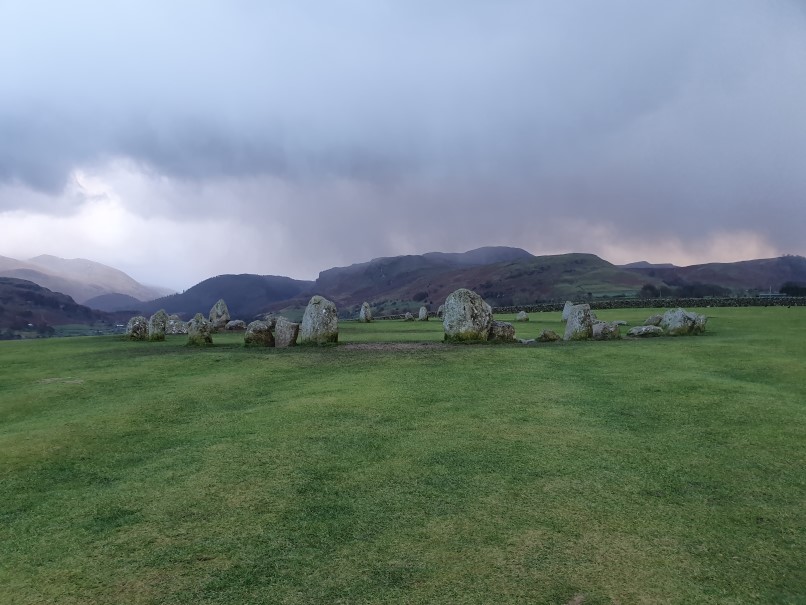
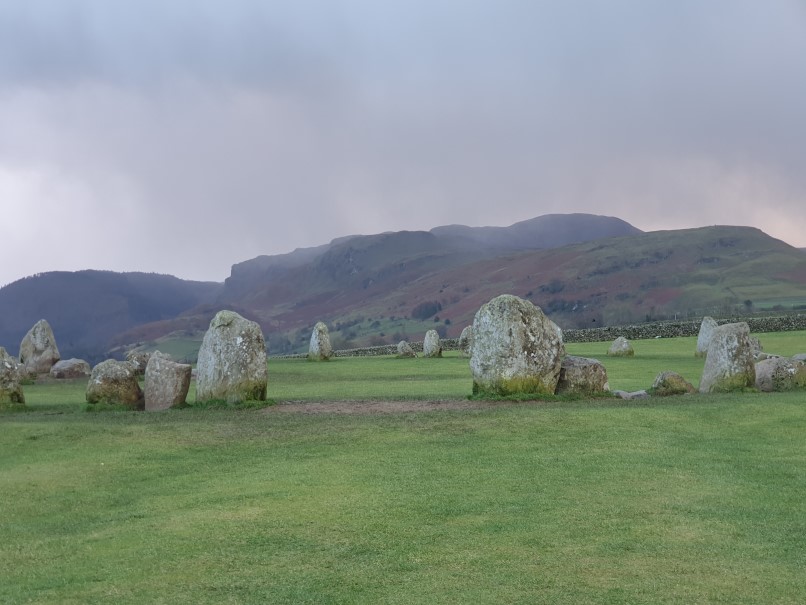
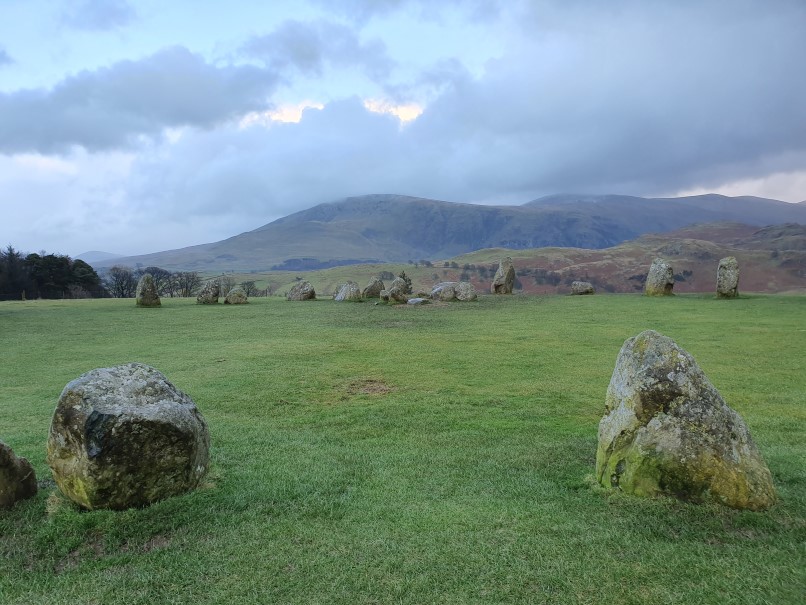
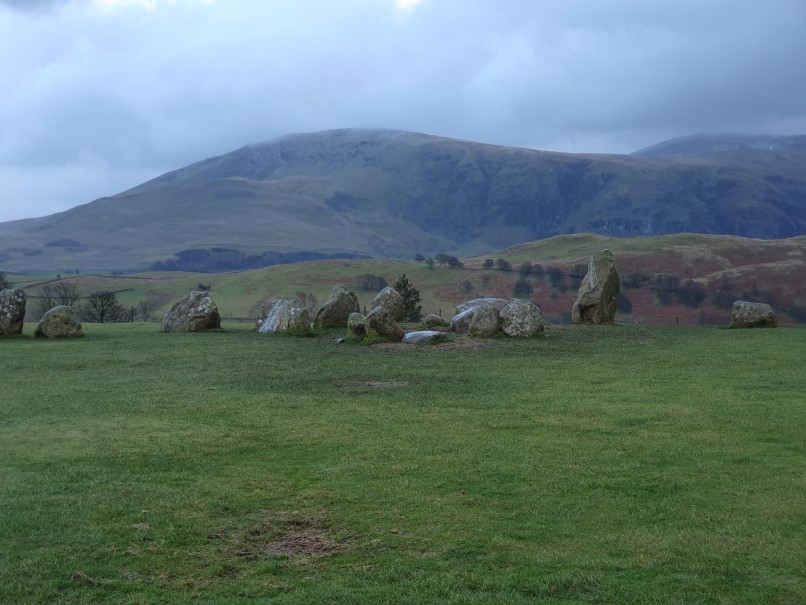
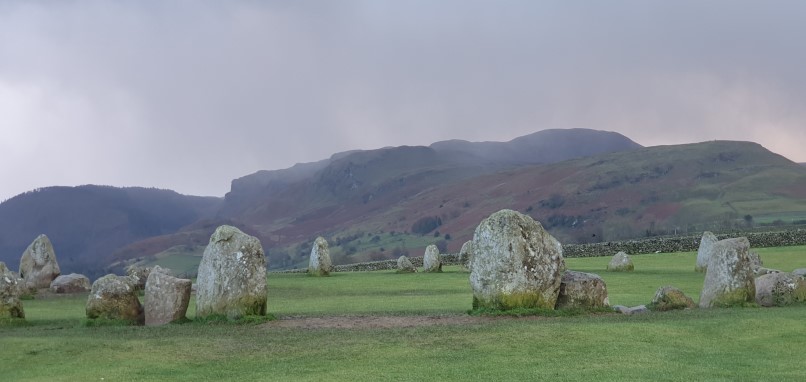
Yesterday, my good friend Simon and I braved the weather to visit Castlerigg stone circle in Keswick, the Lake District. The weather consisted of bitterly cold winds with regular spells of rain, but despite the weather, we still had a good time.
Here is a video I took of Castlerigg Stone Circle:
Each chapter contains text, photos and diagrams and sections such as: Read about this Period in Fiction, Biographies of Key People, Activities (such as Hunting for Ley Lines), Stories/Experiences of People, Things To Do (including sites to visit) and a List of Resources.
In addition, each chapter is extensively referenced, with a complete reference list in an Appendix at the end.
History is a topic that interests me, but even if it doesn’t interest you much, Carr-Gomm & Heygate’s passion for the topic comes through in what is a very engaging writer’s voice. Despite the book being over 500 pages long, I read it on an on and off basis, finishing it in about a month.
Some of the History of Magic is London-centric, but that’s not surprising considering historically and even today a lot of what happens is London-centric in England.
Pagans will find this brilliant book captivating and learn something new (no matter how long you’ve been a practicing pagan). This book goes into great detail about a wide range of topics including: Ley Lines, Dowsing, Druidry, Shamanism, Charms & Spells, Runes, Alchemy, Astrology, Astrological Magic, Spirits, Cunning-Folk, Herbal Remedies, Numerology, Spirit Communication, Tarot, Chaos Magic and Divination.
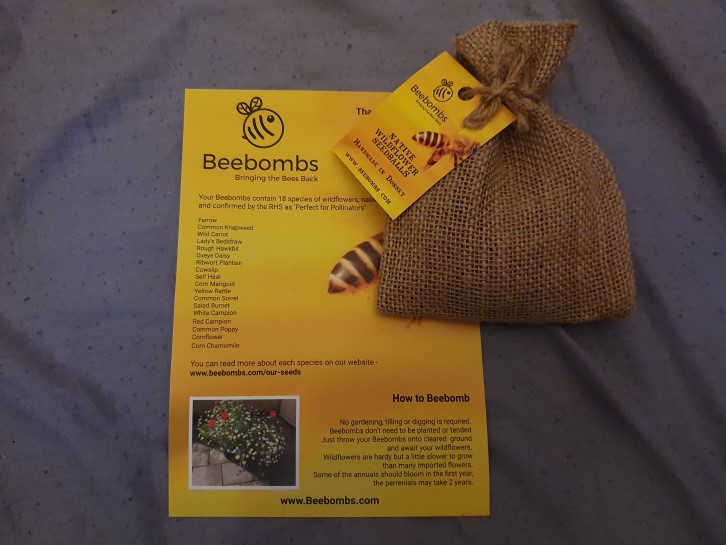
Reading Time: 2minutesBeebombs are pellets containing various seeds of wildflowers, clay and compost. The wildflowers are all ones that Bees love and that will help them survive and hopefully flourish.
My 33rd birthday was a big one on a pagan and magical front. Magically spells are said three times. In Numerology, 33 would equal 3+3 = 6. Six is The Nurturer, which couldn’t be closer to the values associated with paganism.
So for my birthday this year, I decided to buy something small for some family and friends that would help nature. Then I came across an Ad for Beebombs.
Beebombs are pellets containing various seeds of wildflowers, clay and compost. They are handmade in Dorset and all of the packaging is recyclable.
Since World War 2, the Bee population has dropped by 97%. We all remember being at school being taught about the food chain and the web of life. If the Bees die out, those animals that eat the Bees could die out, then the animals that eat them and so on.
The Beebombs don’t need to be planted, they are simply be scattered. Just know that the wildflowers contained require a lot of sunlight, so don’t scatter anywhere where they will have a lot of competition for sunlight.
According to the makers, they are safe for pets. They do contain Poppy seeds, which are toxic to cats, but only in small quantities and not enough to cause harm to cats.
The wildflowers that will grow from the Beebombs are slow growers and it make take up to 2 years to fully grow. They are all wildflowers that that Bees love and that will help them survive and hopefully flourish.
I bought five Beebombs bags. One I scattered close to where I live. One I gave to mum and papa. One I gave to Simon. One I gave to Kay for her mum’s garden and one to Jayne. Everyone has loved them. They make great gifts, providing that the people you give them to aren’t scared of Bees and or butterflies.
I should point out that I haven’t been paid or compensated in anyway by the makers of Beebombs for this post. I just thought they were cool and wanted to share.
This week I have had a brilliant time celebrating my 33rd Birthday. I’ve seen my brother Shaun for coffee, had tea out with mum and papa, seen Jayne for coffee and cake, spent a wonderful day at Mother Shipton’s Cave and in Knaresborough with Simon and am seeing Kay tomorrow. I received some lovely cards and great gifts. The most brilliant thing has been catching up with people.
But a highlight has to be visiting Mother Shipton’s Cave. Here are some photos from the cave visit:
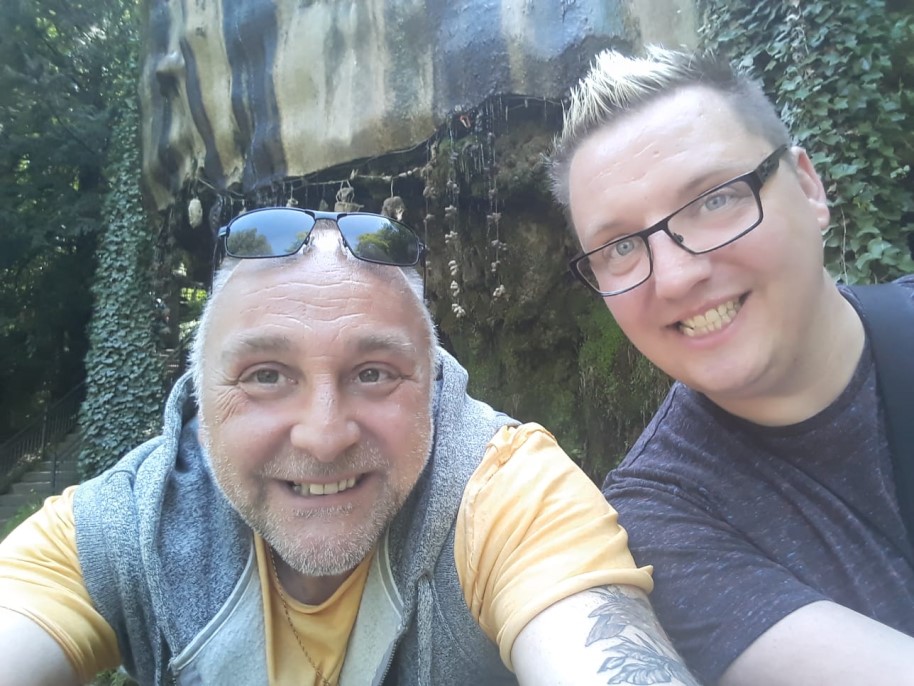
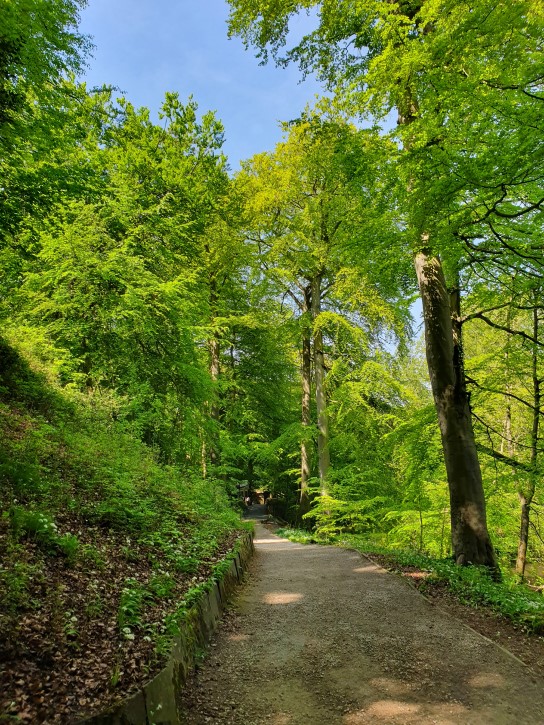
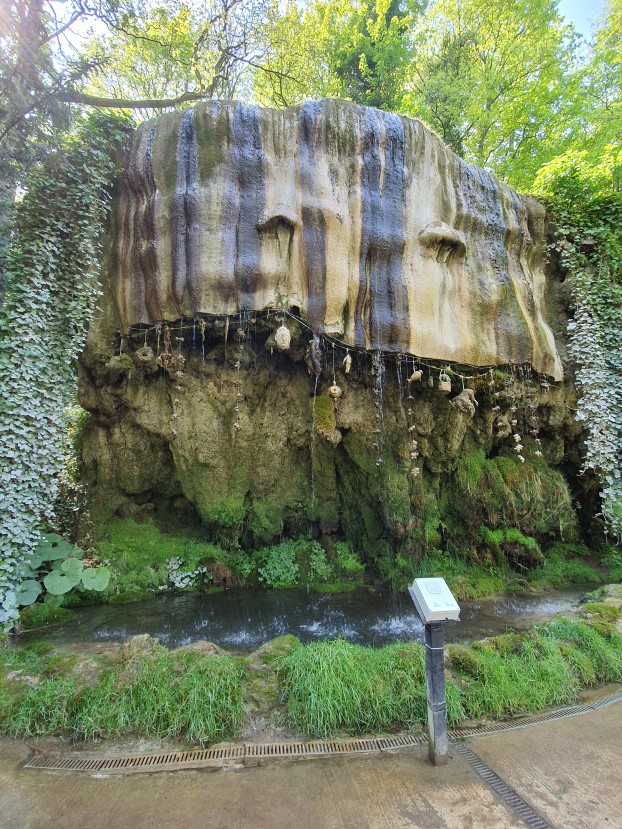
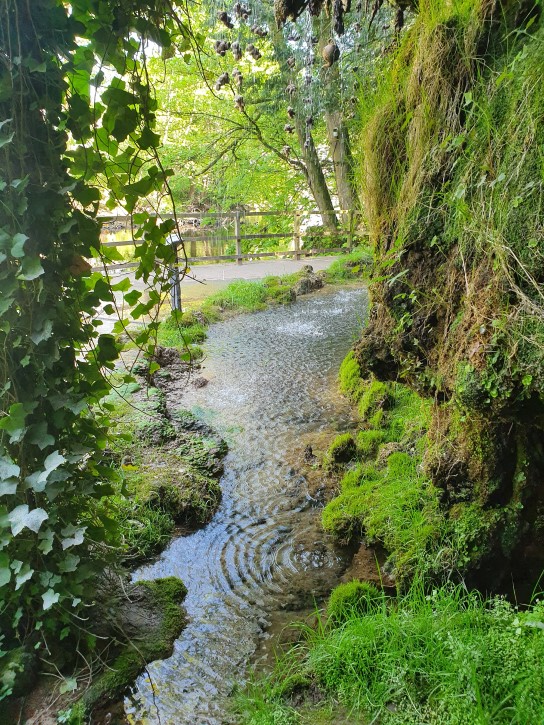
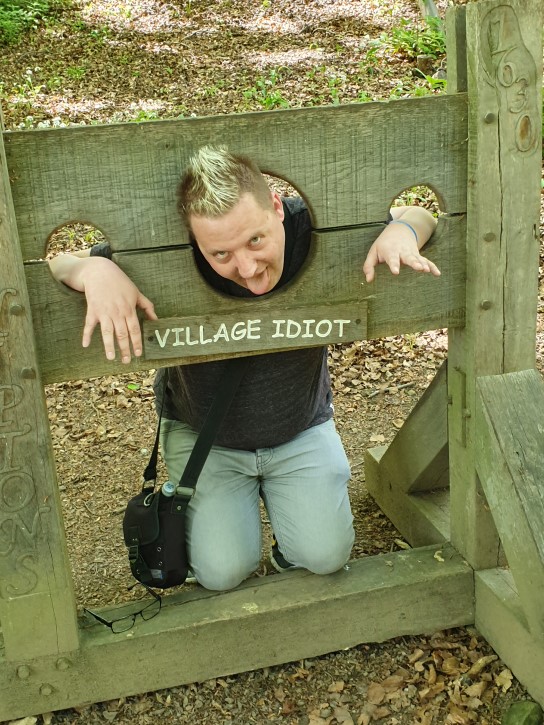
Mother Shipton’s Cave.Simon and I, the famous Petrifying Well behind us.This is Beech Ave. It has some of the oldest beech trees in Britain.The stream that leads down to the Petrifying Well.The top of the Petrifying Well.The Petrifying Well. Normally the rock above would have worn away due to erosion, but because of the unique properties of the water, that turns things to stone, a layer of stone has built up and protected the rock underneath.A side view of the Petrifying Well (1).A side view of the Petrifying Well (2).Ivy at the side of the well has began to crystalise from the water splash back from the Petrifying Well.The entrance to Mother Shipton’s Cave.A rock carving impression of Mother Shipton within her cave.The naturally formed Wishing Well (1). Simon and I both made a wish.The naturally formed Wishing Well (2).A sculpture of Mother Shipton in the small museum/gift shop.
Mother Shipton’s Cave includes: some of the oldest beech trees in Britain, a cave where Mother Shipton (a Witch in the 17th Century) was said to have lived. A Petrifying Well that turns things into stone (due to the unique make up of the water), a naturally formed wishing well, a park for children (with picnic benches) and a small shop/museum. It is located in Knaresborough, North Yorkshire, England. This attraction could be fully completed in about an hour.
Admission Price: £9-10 for an adult. This is on the expensive side for what is on offer, however it does include an all day come and go wristband. This means that you could leave the attraction to go into the market town of Knaresborough.
Useful to know: Wednesday’s are market day in Knaresborough, so worth visiting on a Wednesday if you can. That way you can do the cave, markets and get something to eat in the many pubs/restaurants in the town.
I’ve had a fantastic birthday, but the week of annual leave that I’ve taken for my birthday has gone far too quickly as always.