hope

A decade of living with diabetes
Reading Time: 2 minutes
diabetes-BM-reader-large
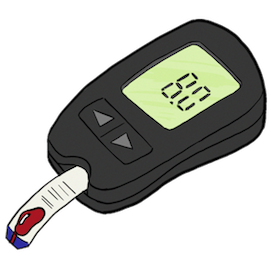
Diabetes/Health Logo Illustration. Copyright © Sye Watts/Antony Simpson, 2014.

I was diagnosed with Type 1 Diabetes a decade ago. You can read my story of how I was diagnosed with Type 1 diabetes here.

In the last decade not much has changed. I’m still testing my blood sugars 2-3 times a day. I’ve used various BM monitoring meters over this time, but they’ve all essentially done the same job. I’ve recently switched to the TEE2 Blood Glucose Meter by Spirit Healthcare Ltd which is one of a few that connects to desktop computers and produces reports on BM readings. Tracking trends and so forth. I will review this meter on my blog in due course.

I’m still injecting myself with artificial insulin 4 times a day. I’m still going for annual podiatry checks, annual retinopathy screening and annual diabetic review appointments with my GP and Practice Nurse.

Over the last decade there’s been countless reports in the media of better treatments or even potential cures for diabetes. But so far, nothing has materialised.

My hope for the future is that one day I’ll be healthy again. Let’s hope that the next decade brings better treatments and perhaps even a cure.

Write soon,

Antony

If you liked this post, you might like my All Diabetes Type 1 Content page.

You can learn more about diabetes by visiting these external links:

Share on Social Media:
Health, Thinking, , , , , , , , , , , , , , , , , , , , , , , , , , , , , , , , , , , , , ,

Feeling Ready

Reading Time: < 1 minute

Recently I was asked: What would your ideal man be like?

I wish I had a quick and funny answer. But I didn’t. I wasn’t able to answer it at all. I couldn’t answer because I haven’t thought about a relationship, or even considered the idea of having a man in my life for a long time. Too long.

But the question sparked something inside of me. It made me check-in with my heart and head. It made me think, wonder and to my surprise hope for love. With the right man of course.

A man that is kind, interesting and funny. As I thought about my ideal man and what I would want and be able to give in a relationship, I realised something:

That I am feeling ready for love, once again.

If you enjoyed this short post, you may like my All Love, Relationships & Gay Community Content page.

Take care,

Antony

Learn more about lifetime Fanatic membership.
Share on Social Media:
Love & Relationships, Thinking, , , , , , , , , , , , , , , , , , ,

The Story of Neil Gaiman’s Cousin Helen

Reading Time: 2 minutes
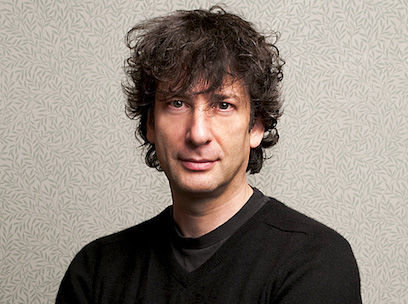
neil-gaiman-author-image
Neil Gaiman, Image from The Byre Theatre.

The Writer Neil Gaiman used to think that making up stories for a living was trivial. That was until he learned the story of his cousin Helen. Here is Neil Gaiman sharing the story of his cousin Helen:

“Helen is 96 and now lives in Florida. At the end of World War II, Helen and her two sisters wound up in a refugee camp in Southern Europe having fled Poland. Homeless and displaced, they finally ended up in America.

In Poland, Helen had been smuggled into the Warsaw Ghetto. There was a corpse run every morning, transferring the corpses out of the ghetto and she snuck back in on the returning transport. I think she snuck back out that way, amongst the corpses, too. Inside the ghetto, she started teaching the local girls arithmetic and grammar. At that point in time, books were illegal and there was a death sentence for anyone found possessing one. However, Helen had a Polish translation of Gone with the Wind and she kept it hidden behind a loose brick in the wall. She would stay up late every night reading so that when the girls came in the next day she could tell them what had happened in the chapters she had read the previous night and just for that hour these girls got out of the Warsaw Ghetto and they got to visit the American South.

Helen’s story – this story – made me realise that what I do is not trivial. If you make up stuff for a living, which is basically what I do, you can feel kind of trivial sometimes but this made me realise that fiction is not just escapism, it can actually be escape, and it’s worth dying for.” – Neil Gaiman

(From The UN Refugee Agency, Last accessed: Sunday 17th July 2016.)

People need stories, we always have. In ancient history, our ancestors sat around camp fires telling one another stories, illuminated by the glow of the fire. Then they began writing them down and having them printed and published in books. Today we still have printed books and ebooks are in their infancy.

In the future, people will still need stories. To understand why this statement is true, you need to understand why people read stories. We read stories to light up our imagination, for pleasure, for entertainment, to make us laugh, to make us cry, to be thrilled, to make us feel alive, to give us hope, to unwind, to escape and to learn.

If you liked this post, you might like my All Inspirational Content page.

Blog soon,

Antony

More Content From Antony

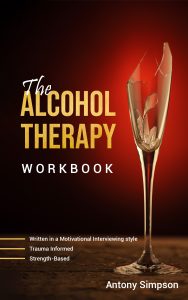
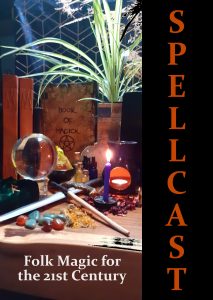
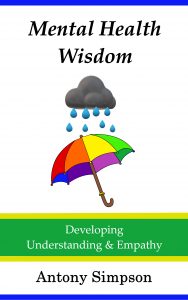
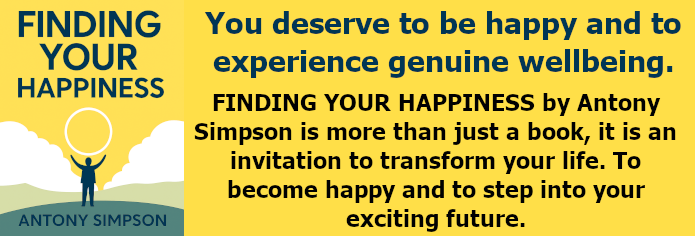
Here are the books that Antony has published:

Share on Social Media:
Books & Authors, Inspiration, , , , , , , , , , , , , , , , , , , , , , , , , , , , , , , , , , , , , , ,

A Tale Of Overcoming Adversity

Reading Time: 3 minutes
sun-catcher
My new sun catcher.

I’ve wanted to write this post for a long time. I’ve started it countless times, looking at adversity from many different angles. In the end, I decided that the best way to express what I want to say about adversity and overcoming adversity is through a little tale.

Growing up I had difficulties with reading and writing because of Dyslexia and Dyspraxia. At sixteen years old, I had a reading and comprehension age of fourteen. I remember when I was younger, having to read paragraphs two or three times to get the meaning of the words. The thought of reading a book at this age, was like the thought of climbing a mountain.

I couldn’t write my name until I was ten years old. I understood what we were taught in classes, but just couldn’t write it down on paper in an organised and structured way. I got very good at talking and verbal presentation to compensate.

Fast forward to now. I have overcome adversity in relation to reading and writing. I’m always reading at least ten books at any one time. I read nineteen books last year (see Book List 2015) and I read twenty-eight books the year before that (see Book List 2014). I regularly get sent books by publisher’s publicists to read and review. Thankfully I no longer need to re-read paragraphs two or three times to understand them. I write creatively on a regular basis. I’ve recently published a short story entitled Soulmates and write for The Gay UK.

In addition to the above: I have done well academically. I have been to university twice and about to go back to university to complete a further module. I have gained a HE Diploma in Children’s Nursing and a Honours Degree in Nursing, graded at a 2:1.

The reading, the writing and the university wouldn’t have been possible without overcoming adversity. But what’s really interesting is that I’ve learned some fundamental things that were required in order for me to overcome adversity. These included:

  • Grit or determination. Not giving up. Continuing to read and write, even when I felt like I was banging my head against a brick wall.
  • The support of others. My mum fought the education authorities to get the professional help I needed to learn to read and write. Teachers, Teaching Assistants and Volunteers all spent countless hours teaching me to read and understand what I was reading. My mum fought the health authorities to get the practical support from a brilliant and professional Occupational Therapist. And of course my mum helped and supported me in so many other ways: spending time reading with me, taking me to my Occupational Therapist appointments, just listening when I needed to vent my frustration, etc.
  • Practice. Repetition is the key to learning and the way of getting good at anything. Think of when you learned to ride a bike as a child.
  • Being driven by my love of literature. Even with my difficulties in reading and writing, I used to be captivated by the stories my mum would read to me at bedtime. By how words could ignite my imagination and make me feel very real emotions.
  • People having belief and faith that I could overcome my reading and writing difficulties. This includes both family and friends.
  • Believing in myself, or at least hoping that I could overcome these reading and writing difficulties.

I would imagine that these fundamental things are essential for anyone trying to overcome adversity. I wanted to share these thoughts, for anyone currently struggling with adversity. If you have overcome adversity, how did you do it? What did you need in order to overcome adversity? Leave a comment below.

Blog soon,

Antony

More Content From Antony

Here are the books that Antony has published:

Share on Social Media:
Friends & Family, Happiness & Joy, Inspiration, Life, Thinking, , , , , , , , , , , , , , , , , , , , , , , , , , , , , , , , , , , , , , , , , , ,
Scroll to Top
×