The Subscription Trap
The subscription business model has been around for centuries. According to the Cambridge Dictionary (last accessed: 03/08/26), a subscription is:
an amount of money that you pay regularly to receive a product or service.
In recent years, the subscription business model has become popular for music, TV/online streaming shows, films, podcasts, games, software, computer files storage/back ups, AI use, reading of books and for adult content.
People can even sign up to subscriptions for particular physical products, or physical products by a particular brand. There are many companies offering monthly subscription boxes, which contain products around a particular theme or interest.
It feels as though there has been an explosion in companies using the subscription model; often without providing customers with any alternative way to permanently purchase their goods or services. Companies that have decided to move from a purchase business model, to a subscription business model, seem to have done so without any consultation with their customers.
The companies’ message seems clear: If you want to have and use our products/services, you must subscribe. You must pay every month/year.
The Benefits of the Subscription Model for Customers
The subscription model does have benefits for both customers and companies. For the customers, it’s convenient, instant access for digital content, no waiting for deliveries of physical items. Customers get the content that they actually want and streaming services save the customer’s limited hard drive space on their computers/other devices. Streaming can also save customer’s physical space at home, as no DVDs, CDs, players, etc are required.
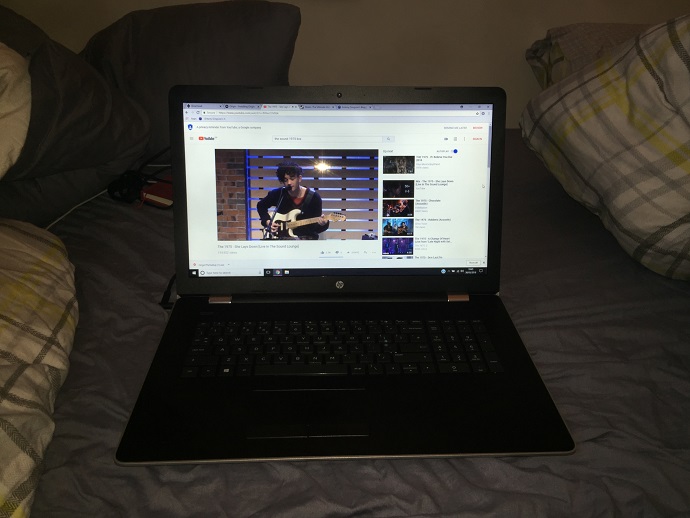
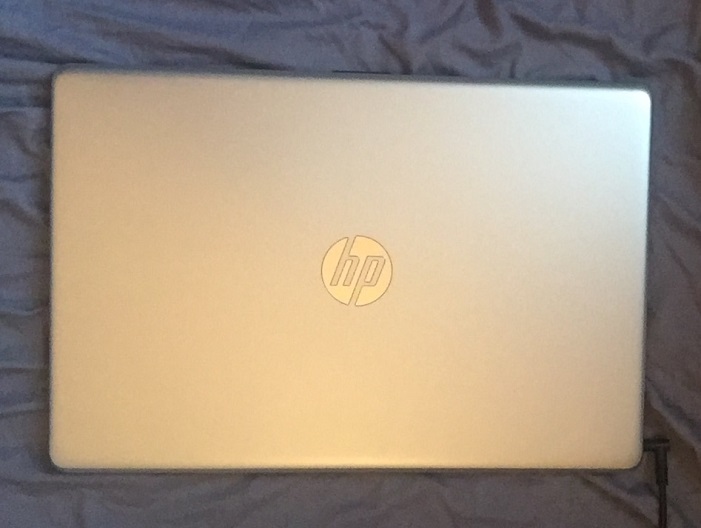
In recent years, I have noticed laptops and PCs for sale with increasingly smaller hard drives. I have also noticed how difficult it is to get a laptop or a PC with a DVD/CD reader/writer. Making the process of watching a DVD or listening to a CD at home more inconvenient.
Could this be deliberate, to get people away from owning content and instead subscribing to access it?
The Benefits of the Subscription Model for Companies
Using the subscription model has a number of benefits for companies. The value of their product/services changes from a one time sale, to a recurring vale, which increases profits (dramatically in some cases). Subscriptions allow companies to better estimate their future income and in some cases can lead to a better allocation of financial resources for business growth, research and for development of current/future products/services.
When it comes to subscriptions, companies also benefit from vague legal contracts with customers. Companies can be vague, rather than specific about what they offer to their customers and change their offer at any time. Currently, in the UK, I am aware of no legislation aimed at protecting customers who are mis-sold subscriptions, or that provides customers who receive poor quality or even broken products/services with consumer rights or protections when customers have subscribed.

Subscription Model Problems
As more and more people are signing up to subscriptions, increasing numbers of customers are discovering problems with the business model. The most obvious is the companies expectation that you will pay forever. Some customers report feelings of resentment towards the companies and feel that they are being greedy.
Some customers can feel exploited, knowing that if you stop paying you loose your access to the products/services, your data and possibly settings/customisation. This is the subscription trap, where customers feel trapped by these companies.
Imagine if some customers have become reliant on these subscription services, then experience a sudden and unexpected change in financial circumstances (like loosing their job, pregnancy, illness or saving for a marriage/house/holiday). It could mean these subscriptions suddenly become unaffordable for these customers.
Companies can increase their prices at any time, or even change the subscription model all together, without customers having any say. A recent example of this was Netflix raising their prices in 2022 (not for the first time either), changing their pricing model and introducing advertising.
Many customers have also expressed dissatisfaction at the changes to and restriction of available products/services. There are numerous specific examples of this, but one that springs to mind is when the TV series Willow. It was wiped off the Disney+ platform, after it didn’t perform as well as expected. The series was removed from the platform, not renewed for a second series, without any comment from Disney+. See this reddit discussion thread for more details.
Another example is the removal of Star Trek: The Next Generation, Voyager & Deep Space 9 from Netflix with no explanation. The companies are able to do this due to vague legal contracts that don’t specifically specify what customers get access to and for how long under their subscription contracts.
All companies are collecting more data about their customers than ever before, keeping it forever and using it to make a detailed profile of each of their customers. This creates genuine concerns for customers around the misuse of the data they collect, the security of the data companies hold and some concerns around companies that may choose to share this data with partners, or others, without the knowledge, consent or permission of the customers.
I think a debate is long overdue around data ownership. I feel that any data that is collected about me, especially highly sensitive or specific identifiable data, should be owned by me and not these companies. That they should have to be very transparent with about what they are collecting and why, along with limits for how long they can keep historic data.
Alternatives to the Subscription Model for Customers
There are alternatives to the subscription model for customers. For music, TV/streaming shows, films and games, software, customers should demand production the of physical copies by the companies. Customers should buy physical copies of products whenever possible and maintain a way to use these physical copies.
Sony recently announced that they will stop releasing PlayStation games on physical disc from 2028. If other companies follow suit, this might make avoiding subscriptions impossible for some customers. However, there has already been reports of a significant number of customers unhappy about this decision.
In terms of online file storage customers could avoid this subscription by having a laptop or a PC with enough hard drive storage for their files and use an external hard drive to back up their files.
In terms of free, non-subscription software, I would recommend AVG Antivirus, VLC Media Player, Libre Office, GIMP and the I Love PDF website.
Currently, AI services providers are leaning heavily on the subscription model for tokens for AI use. They are trying to convince both corporate and personal customers, that they can only have access to use AI through their services. But this is not true.
In China they have developed an AI that can operate on a regular laptop or PC. It has all the functions of the cloud-based AI but without the expensive monthly subscription and doesn’t require vast data centres that will cause severe damage to the environment.
In the past decade, big tech companies have sold the masses the idea of the cloud. Being able to access your data any where and at any time. They even called it the cloud, which almost makes it sound like part of nature.
In reality your data is being stored in massive data centres, that require energy 24/7 and can have a significant impact on the environment. The real image of the cloud would be rows of rows of servers, computers always on, always consuming energy and requiring cooling with water due to the massive amount of heat that they generate.
If you liked this post, you might like my All Societal Commentary Content page.
Write soon,
Antony