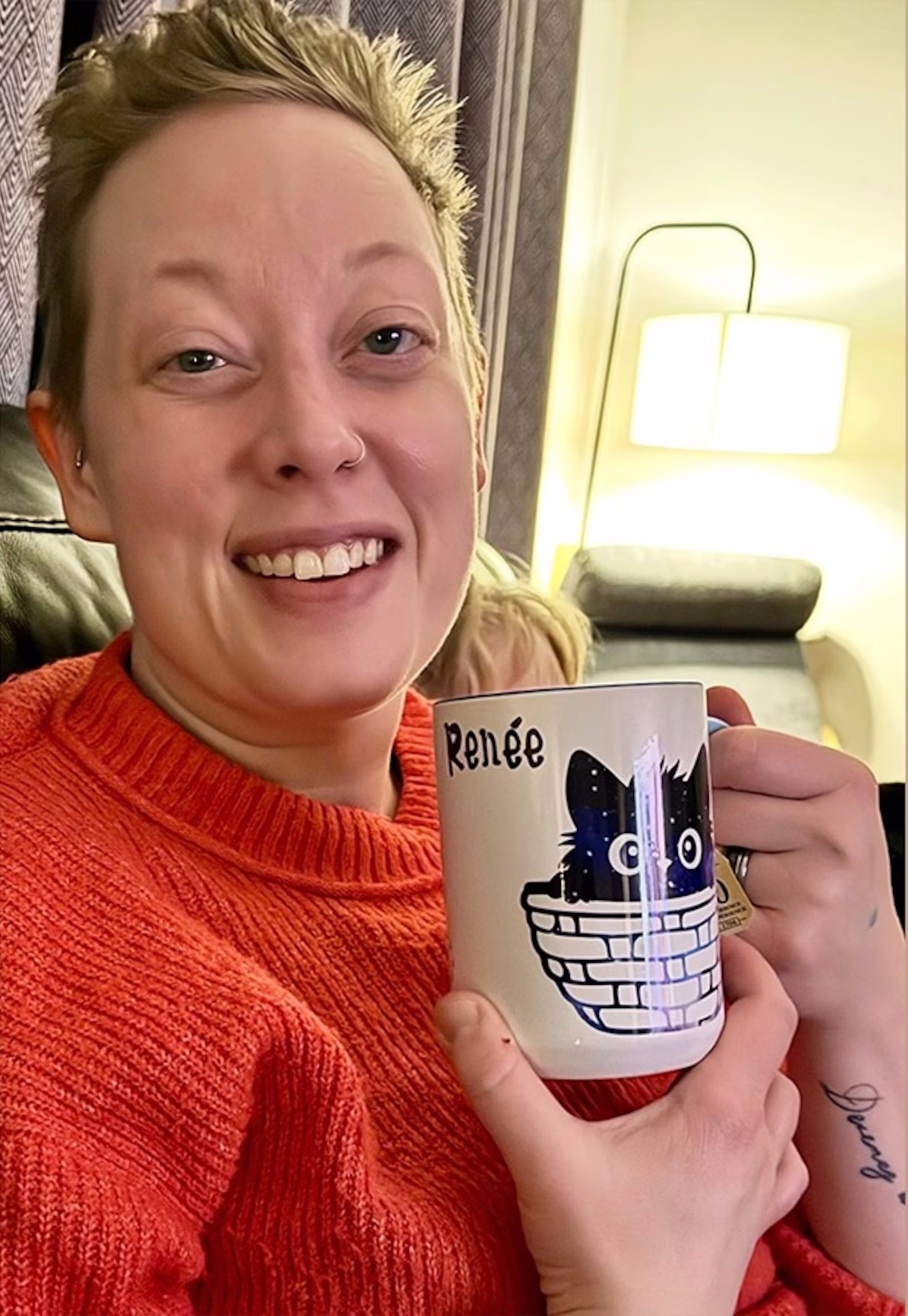
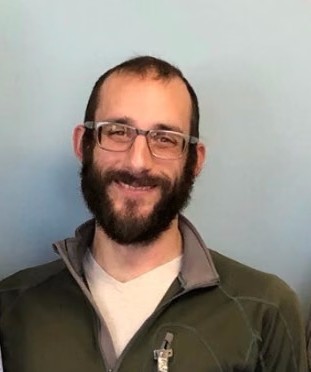
What the HELL is going on in America? Unaccountable, armed, masked people under the guise of ICE (Immigration & Customs Enforcement), backed by the US Government, murdered the two above people.
Reene Good was a Poet. Alex Pretti was a Nurse. Both dead. Both murdered. In Alex’s case, there was plenty of video footage showing him shot multiple times in the back for trying to help a woman who was pushed to the ground by members of ICE.
Then the Government tried to brand Alex as a Home Terrorist. Officials made up all sorts of lies about him.
It’s really scary.
The USA isn’t a Democracy. Its become a Fascist Authoritarian State. One that murders its citizens. ICE people who have no respect for law and have completely dehumanising citizens.
It reminds me of Nazi Germany, prior to the second World War.
To all Americans: ICE, Donald Trump both need to go. Or next, it will be Concentration Camps.
Polio is a disease were symptoms can include sore throats, raised body temperature, headaches, neck stiffness, abdominal pain, permanent paralysis and in extreme cases can lead to death. It can affect anyone of any age.
Polio has largely been eradicated across the world thanks to the polio vaccine. The World Health Organization estimates a 99% drop in the rates of polio infection since the 1980s.
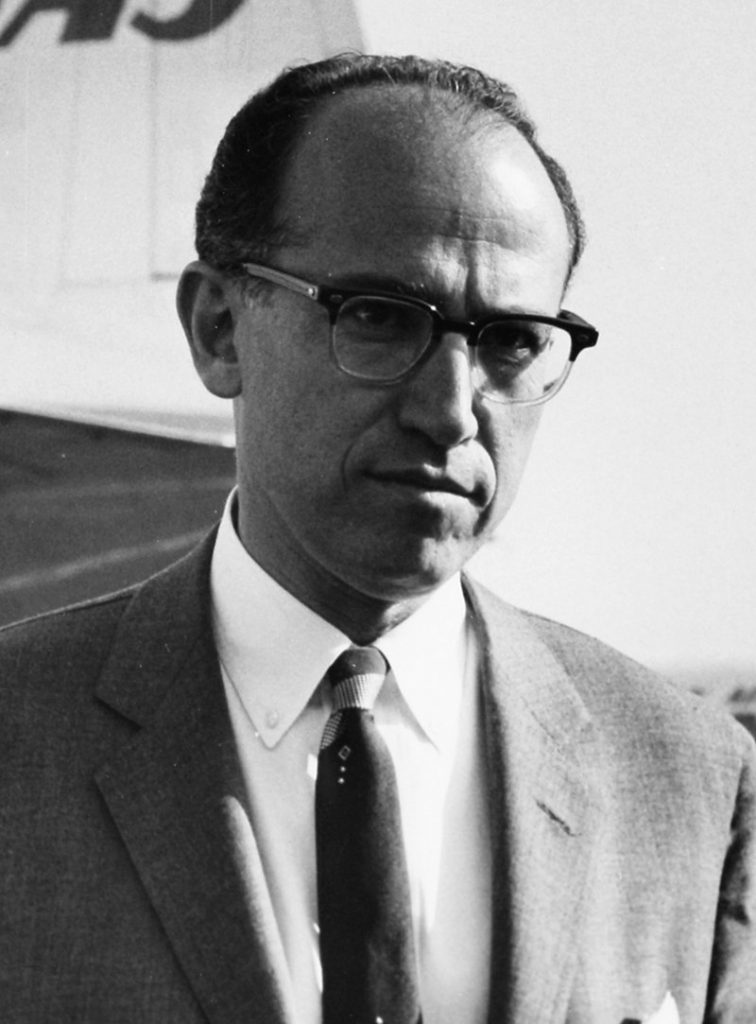
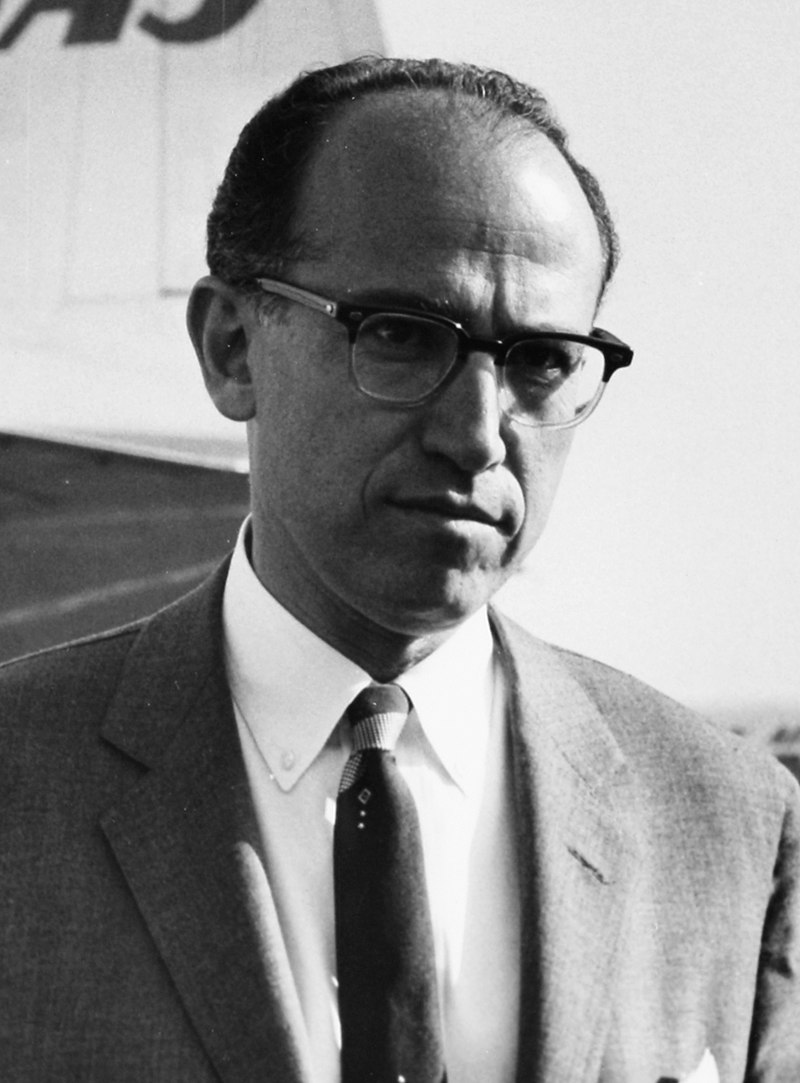
The man responsible for development of the polio vaccine was Jonas Salk (photo left). This is his story.
Jonas Salk started his work on the polio vaccine in 1948 in America. It would take Salk and his team 7 years of hard work before they would see success.
The common thinking in the Scientific community was to use a live strain of the polio virus to develop a vaccine, but Salk had a different idea. He decided to use a inactive and weakened version of the polio virus, convinced that it was not only safer, but more likely to support the body to develop an immunity to the polio virus.
In 1955, after successful trials in both animals and children, Salk announced to the world that he had developed a vaccine for polio.
What is inspirational about this man, is not just that he developed the polio vaccine. But that he chose not to patent it. This meant that anyone could reproduce the polio vaccine without any payment to Salk.
At the time (and still to this day) America has an corporate obsession with patenting intellectual property, so that individuals can make money from their intellectual property. If Salk had patented his polio vaccine, it would have made him several billionaire dollars.
But Salk chose not to patent the polio vaccine. Instead, Salk wanted his vaccine spread as widely as possible, for the benefit of all people. Salk went against the capitalist culture of his country and focused on maximising the good the vaccine could do for humanity. It is for this reason, that I find this man truly inspirational.
Salk became a household name, but this was not something he wanted or welcomed. Salk stated in an interview in 1980:
It’s as if I’ve been a public property ever since, having to respond to external, as well as internal, impulses. … It’s brought me enormous gratification, opened many opportunities, but at the same time placed many burdens on me. It altered my career, my relationships with colleagues; I am a public figure, no longer one of them.
After the success of the polio vaccine Salk went back to work in his virology lab. Salk later worked on a vaccine for the HIV/AIDS virus, but was sadly unsuccessful in this endeavour.
I hope you enjoyed reading this inspirational story.
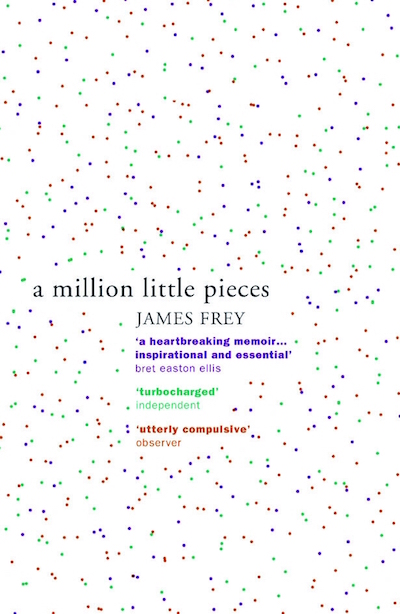
A Million Little Pieces by James Frey is addictive like crack cocaine. Once you pick it up and start reading, you’ll find it near impossible to put back down.
From the cover:
Aged just twenty-three, James Frey had destroyed his body and his mind almost beyond repair. When he enters a rehabilitation centre to try to reclaim his life, he has to fight to determine what future, if any, he has. His lack of self-pity, cynicism and piety gives him an unflinching honesty – a fearless candour that is at once charming and appalling, searing and darkly funny.
(From: Frey, 2004)
Frey takes the reader on his rollercoaster of a journey to recovery from alcohol and drug addiction. It starts with him waking up on a plane with no memory of how he got there, what happened to his face or where he’s going.
is set during Frey’s stay in rehab; is well paced and has plenty of tension, conflict and resolution. Both internally and externally. He recalls memories of his dysfunctional and chaotic alcohol and drug using past.
Stylistically A Million Little Pieces lacked speech marks, but this was possibly deliberate. Not having speech marks was a noticeable stylistic change to the normal layout of a book. Frey was probably using this to subtly hint that his story wasn’t like the story of most people. Frey’s lack of dialogue tags was generally acceptable, but on the odd occasion where Frey had written a scene with a group of people, it did get difficult to establish who had said what.
Towards the end of A Million Little Pieces it began to feel fictional. As I was coming to the end of the book and had enjoyed reading it, I decided to look into other books that Frey had written.
Oprah had to respond to these revelations and interviewed Frey on a few occasions. The most recent, a few years after A Million Little Pieces was exposed as being in part fictional is available to watch below:
I can understand while some people felt lied to, as A Million Little Pieces was promoted and marketed as a memoir.
But I wasn’t in the slightest bit surprised that some of A Million Little Pieces was fact and some was fiction. Because that’s how it read. Who wouldn’t change some of their past if they had the chance? Don’t we all do that all the time? Change things to make them sound better or worse than they actually are with the aim of making our stories more interesting to our friends, family, co-workers, etc. Can we really blame Frey for doing the same for the reader?
Regardless A Million Little Pieces is still a great read. Worth reading if you are interested in addiction, crime, alcohol, drugs, rehab and recovery. Just hold on is a phrase often repeated in the book and was a phrase that I adopted when I was suffering from severe clinical depression.
Antony Simpson is a participant in the Amazon EU Associates Programme, an affiliate advertising programme designed to provide a means for sites to earn advertising fees by advertising and linking to Amazon.co.uk.