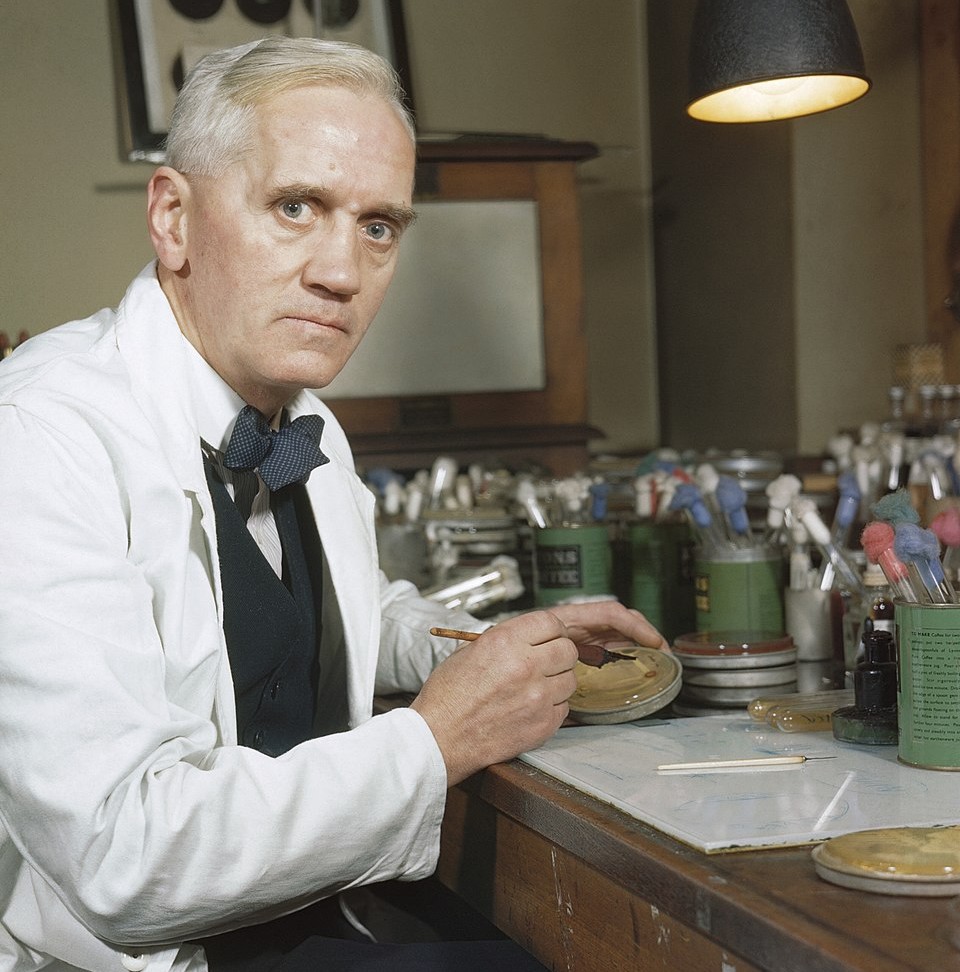
Sir Alexander Fleming was a Doctor and Microbiologist who discovered the first antibiotic, Penicillin, by accident.
In 1928, Fleming was studying the bacterial organism Staphylococcus. Fleming accidentally left some petri dishes containing Staphylococcus uncovered in his lab before going away on holiday.
When Fleming returned to his lab, he discovered one of the petri dishes had developed mold. On examination, he discovered that all the Staphylococcus bacteria had been eliminated. Fleming discovered that this mold had produced a substance that had eliminated the bacteria. He identified the mold as Penicillium notatum, which is where he got the name Penicillin from.
The following year, Fleming reported his discovery in a talk to a Medical Research Club and wrote a paper which was published in the British Journal of Experimental Pathology. But it took nearly a decade for the scientific community to realise the implications and potential of Fleming’s discovery.
Fleming later reflected on his accidental discovery:
One sometimes finds what one is not looking for. When I woke up just after dawn on September 28, 1928, I certainly didn’t plan to revolutionise all medicine by discovering the world’s first antibiotic, or bacteria killer. But I suppose that was exactly what I did. – Sir Alexander Fleming
Discovering Penicillin was not Fleming’s only achievement, but his most notable one. He was knighted in 1944 and shared the 1945 Nobel Prize in Physiology or Medicine. Knighted is when the reigning King or Queen bestows a knighthood, meaning that your title becomes Sir, rather than Mr or Dr.
Fleming was not exaggerating when he stated that he revolutionised all medicine. Antibiotics save many millions of lives across the world each year.
However, according to the NHS we are now seeing bacterial organisms that are resistant to some antibiotics. This means that some antibiotics no longer kill some harmful bacterial organisms. The NHS has been running a Keep Antibiotics Working campaign for a number of years, which has included this TV advert:
Polio is a disease were symptoms can include sore throats, raised body temperature, headaches, neck stiffness, abdominal pain, permanent paralysis and in extreme cases can lead to death. It can affect anyone of any age.
Polio has largely been eradicated across the world thanks to the polio vaccine. The World Health Organization estimates a 99% drop in the rates of polio infection since the 1980s.
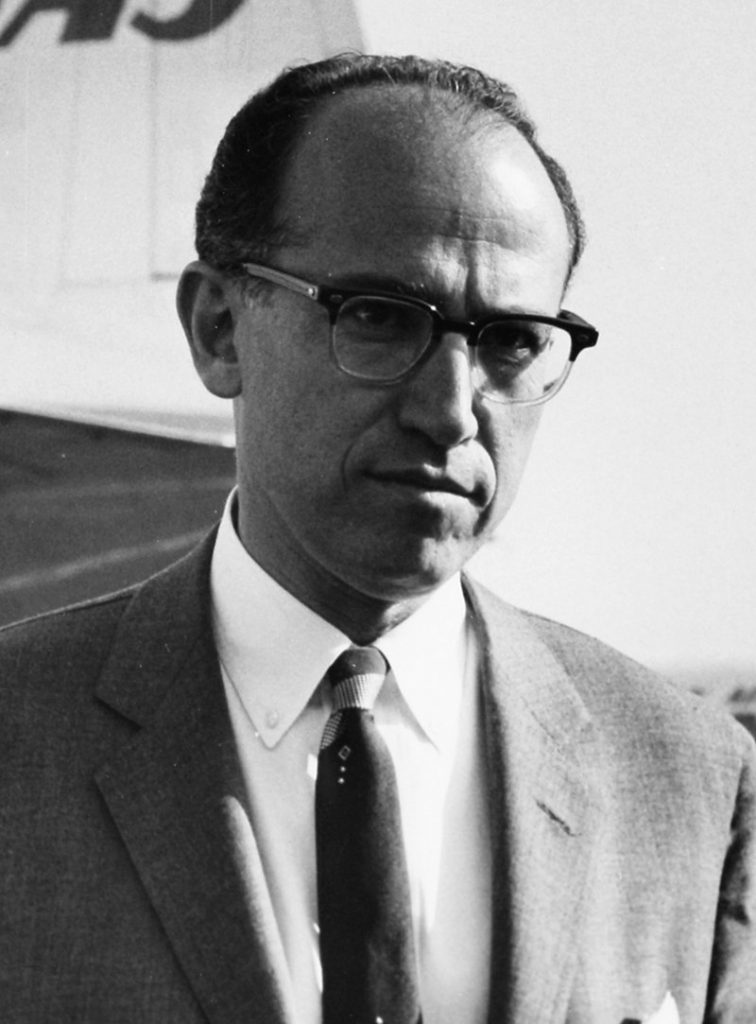
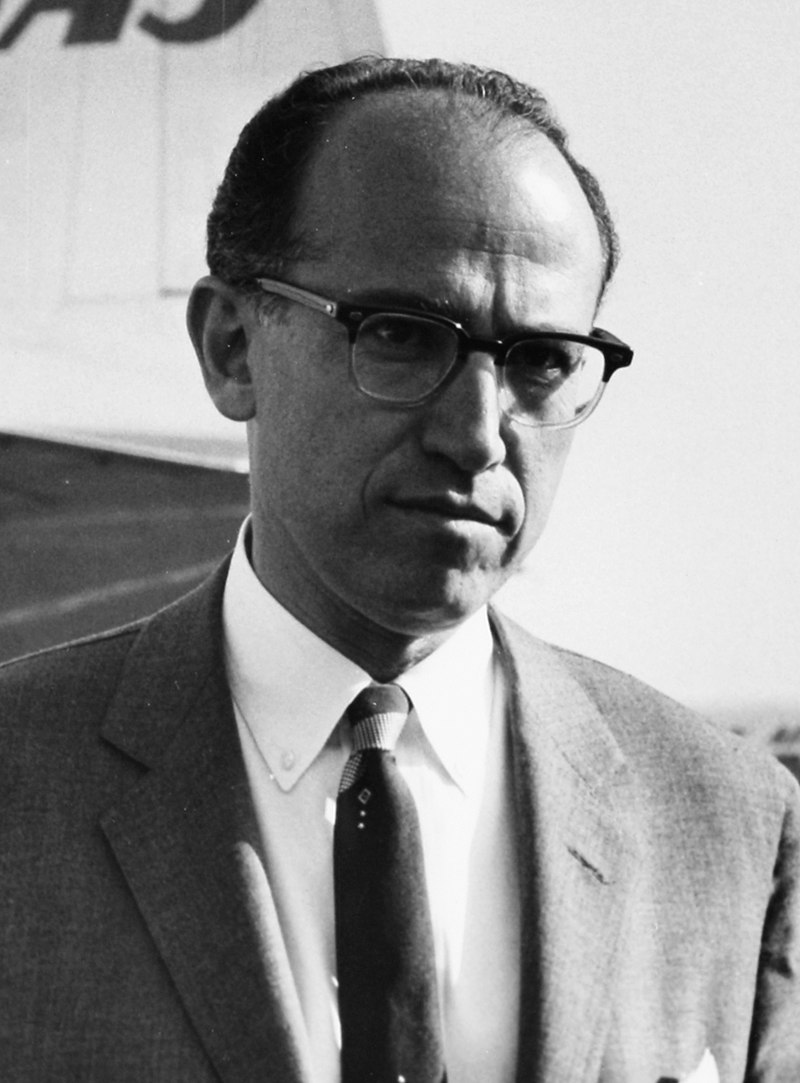
The man responsible for development of the polio vaccine was Jonas Salk (photo left). This is his story.
Jonas Salk started his work on the polio vaccine in 1948 in America. It would take Salk and his team 7 years of hard work before they would see success.
The common thinking in the Scientific community was to use a live strain of the polio virus to develop a vaccine, but Salk had a different idea. He decided to use a inactive and weakened version of the polio virus, convinced that it was not only safer, but more likely to support the body to develop an immunity to the polio virus.
In 1955, after successful trials in both animals and children, Salk announced to the world that he had developed a vaccine for polio.
What is inspirational about this man, is not just that he developed the polio vaccine. But that he chose not to patent it. This meant that anyone could reproduce the polio vaccine without any payment to Salk.
At the time (and still to this day) America has an corporate obsession with patenting intellectual property, so that individuals can make money from their intellectual property. If Salk had patented his polio vaccine, it would have made him several billionaire dollars.
But Salk chose not to patent the polio vaccine. Instead, Salk wanted his vaccine spread as widely as possible, for the benefit of all people. Salk went against the capitalist culture of his country and focused on maximising the good the vaccine could do for humanity. It is for this reason, that I find this man truly inspirational.
Salk became a household name, but this was not something he wanted or welcomed. Salk stated in an interview in 1980:
It’s as if I’ve been a public property ever since, having to respond to external, as well as internal, impulses. … It’s brought me enormous gratification, opened many opportunities, but at the same time placed many burdens on me. It altered my career, my relationships with colleagues; I am a public figure, no longer one of them.
After the success of the polio vaccine Salk went back to work in his virology lab. Salk later worked on a vaccine for the HIV/AIDS virus, but was sadly unsuccessful in this endeavour.
I hope you enjoyed reading this inspirational story.
To celebrate the release of my Influential UK Gay Men article, which you can read in full for FREEhere, here are some of my favourites:
Mark Ashton (1960-1987) Mark Ashton was a lifelong activist for equality. He helped found Lesbian, Gay Support the Miners (LGSM) charity. He volunteered at the Switchboard and LGBT+ charity.
In addition to fighting for LGBT+ equality Ashton also campaigned for nuclear disarmament. Towards the end of Ashton’s life, he advocated for young people’s involvement in politics, using music and art as engagement strategies.
Ashton sadly died of AIDS, a short period of time after diagnosis in the late 80s.
A famous Ashton quote is: “Why should gay people like me support the miners? Because miners dig for coal, which produces power, which allows gay people like us to dance to Bananarama till 3 o’clock in the morning.”
Jonathan Bailey (1988-Present) Jonathan Bailey is a star of stage and screen, who is perhaps most famous for his portrayal of Anthony, 9th Viscount of Bridgerton and Fiyero in Wicked (the film with the musical of the same name).
In terms of speaking about his sexuality Bailey has said:
“If I can fill spaces that I didn’t have growing up then I feel like that’s a really brilliant thing.”
And: “I hope queer kids will see my work and know that things will be okay.”
Bailey recalled learning that one of his fellow actors was told: “There’s two things we don’t want to know: if you’re an alcoholic or if you’re gay.”
Rupert Everett (1959-Present) Rupert Everett came out as gay when it wasn’t popular to do so. This takes great bravery and courage and for that this man has a special place in my heart.
Everett has played various roles in films, on TV and in theatre productions. But only recently being recognised with winning awards. These days Everett is married to his partner Henrique.
Everett has been criticised for some of his views. But he explained in an interview: “For me, being gay was about wanting to do the opposite of the straight world, so I think that’s where my problems in this particular area come from. But that’s me, just me. I’m not having a go at gay couples who do. I think if Elton (John) and David (Furnish) want to have babies, that’s wonderful. I think we should all do what we want.”
Paul O’Grady (1955-2023) It is no exaggeration to say that Paul O’Grady was loved by millions thanks to his prime time TV show: The Paul O’Grady Show. On this show, he chatted with guests, shared his love of dogs and had a warmth that radiated through television sets up and down the country.
Gay people will particularly remember council dweller Lily Savage, a character played and created by O’Grady. O’Grady was known for his quick wit whether as Lily Savage or as himself.
In addition to his work, O’Grady did a lot for charities including ones that support children, animals and dementia. These were all causes close to his heart.
O’Grady was proud of his working class roots and often supported The Labour Party.
O’Grady has been declared by some to be a national treasure and I completely agree. O’Grady had a settled married life with a husband on a farm in Kent. Returning to London for work purposes.
O’Grady wrote his autobiography in two parts. He died quite suddenly of a heart attack. O’Grady had struggled with an addiction to cigarettes all of his adult life and probably before then, which contributed to his cause of death.
One thing I’ve noticed when talking with others about O’Grady, is that they never say anything bad. It’s always positive.
Alan Turing (1912-1954) Alan Turing’s story is a sad one. These days his face resides on a £50 banknote and is celebrated as a hero. Turing was for all intents and purposes a genius. He is described as a creator of modern computing, a mathematician, a computer scientist, a cryptanalyst, a philosopher and a theoretical biologist. Turning studied at the top universities in both the UK and in the USA.
Turing’s story starts out quite positively. In 1936, he published a paper that outlines the ‘Universal Machine’ code that forms the basis of modern computers, even today.
Then in 1939 Turning broke the German Enigma code, giving the British a significant advantage in the Second World War. But he didn’t stop there, continuing to help break other codes that were vital to the success of the war efforts against the Germans.
After the war, in 1952 Turing was convicted of gross indecency due to all male homosexual activities being illegal until as late as 1967. Turning was made an example of. He was chemically castrated using hormones, denied the ability to work on the intellectual projects that he had done so previously and publicly shamed. Turing was hounded and harassed by the Police. They were instructed to monitor him closely, in case he became a security risk, given his previous level of security clearance.
In 1954, Turing ended his life by cyanide poisoning. He was just 41 years old at the time. Turing no doubt felt like his life was over. He was no longer allowed to do his work and he was under constant surveillance.. Like there was nothing left worth living for.
Despite those in power knowing about Turing’s contributions to the War efforts and his other great works, it took a Royal Pardon in 2013 to decriminalise him and many others who had been treated the same way for illegal homosexual acts. Just goes to show that just because something is law, doesn’t mean it’s right.
I wish so many things for Alan Turing. I wish he had lived to see the decriminalisation of homosexuality/homosexual acts.
I wish Turning had got to see the civil rights movement that followed and the strides towards equality that we have made.
I wish that they had continued to let him work, imagine what other great works he could have achieved.
I wish that he’d found acceptance from his peers, society and most importantly found love.
I wish he could see that he’s on every £50 note.
Andrew Bailey, the governor of the Bank of England, said about Turing:
“Turing was a leading mathematician, developmental biologist, and a pioneer in the field of computer science.
“He was also gay, and was treated appallingly as a result. By placing him on our new polymer £50 banknote, we are celebrating his achievements, and the values he symbolises.”
I would like to hope that this would never happen again in the UK.
But across the world, there are still many places where being gay is a crime with severe punishments for those caught. Some gay people are still oppressed and discriminated against for who they love. It’s so wrong.
Want to read the full list? You can for FREEhere without any subscription, payment or sign up. You may also like to sign up to my newsletter here. Please consider buying one of my books if you like this creative work:
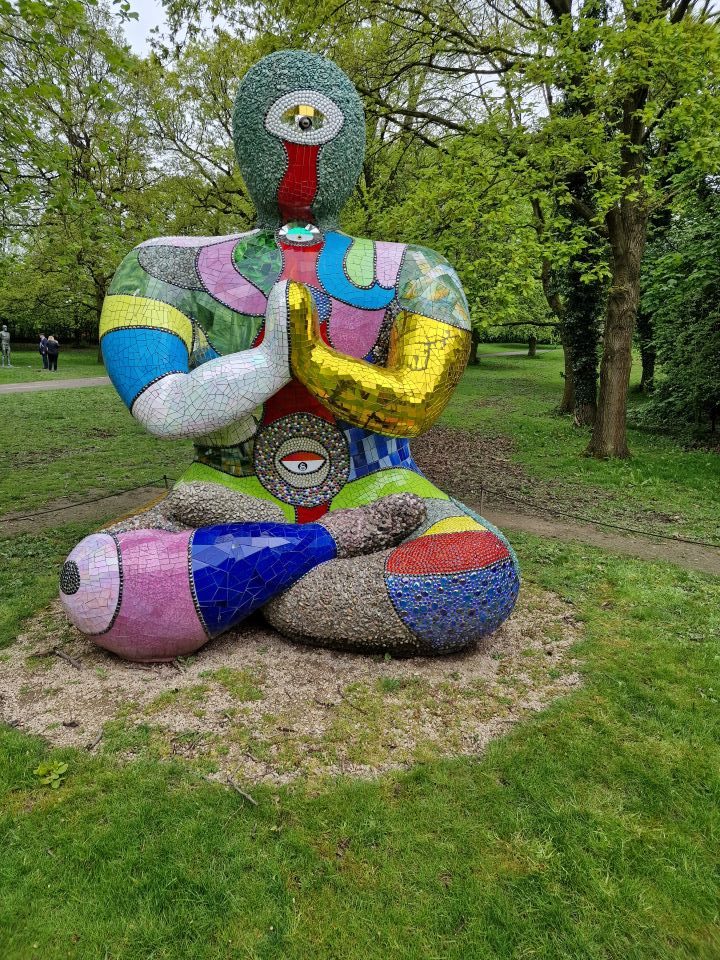
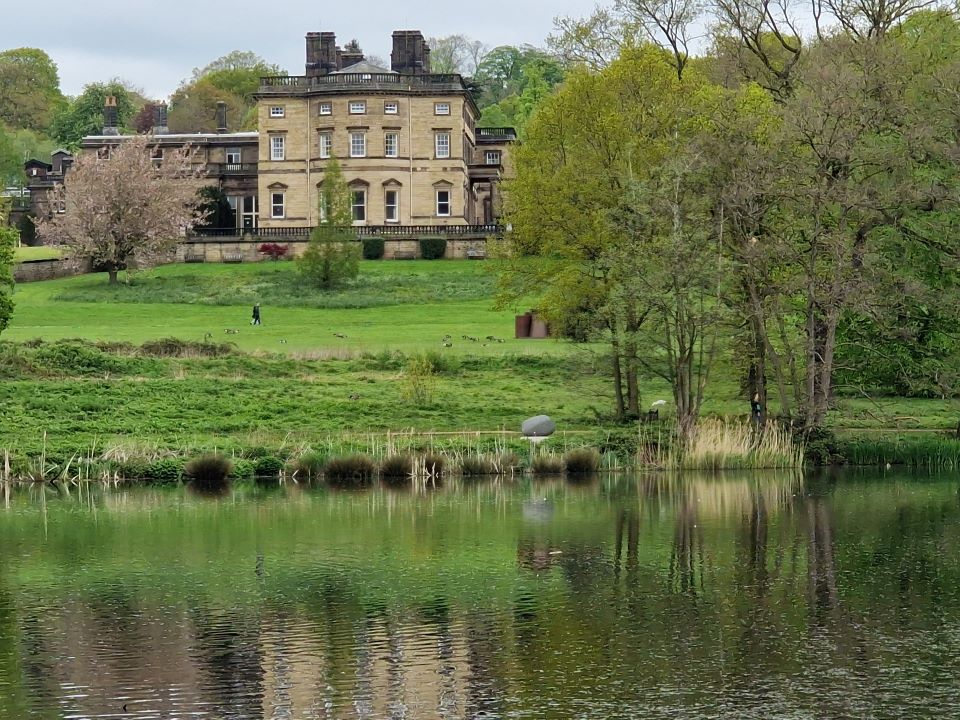
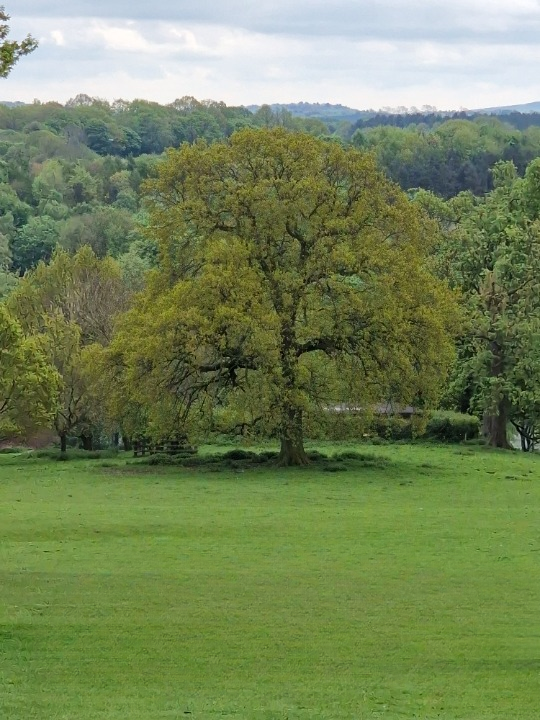
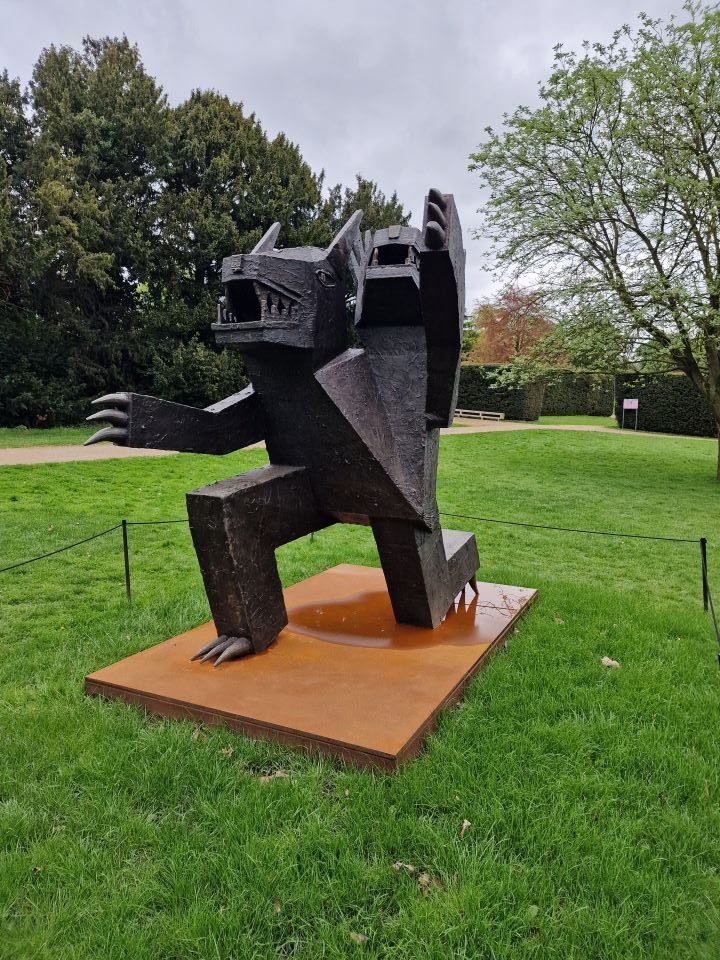
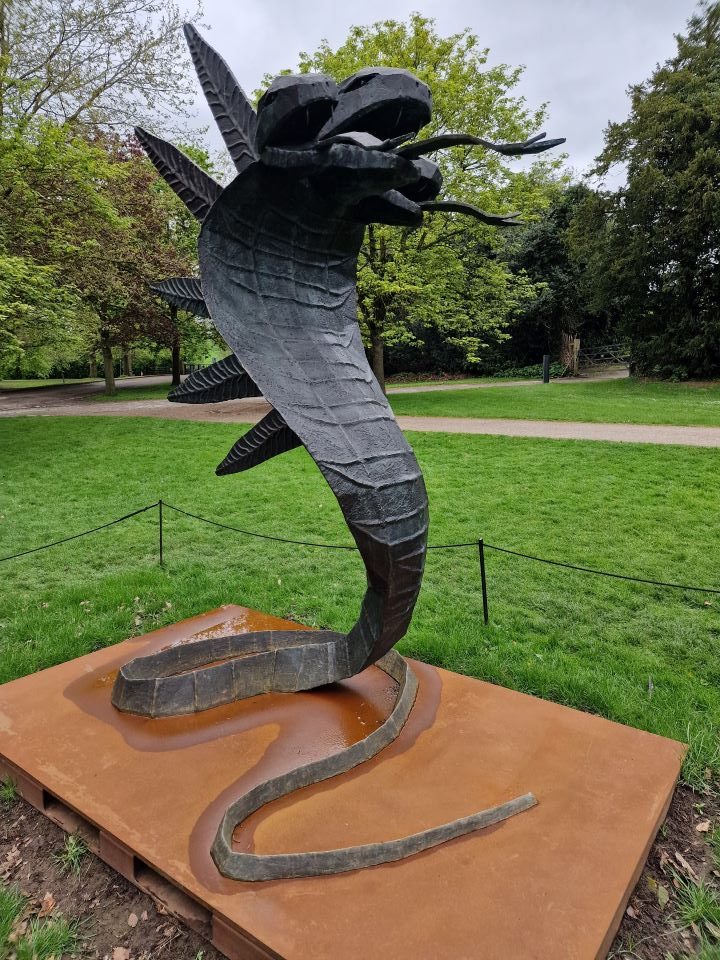
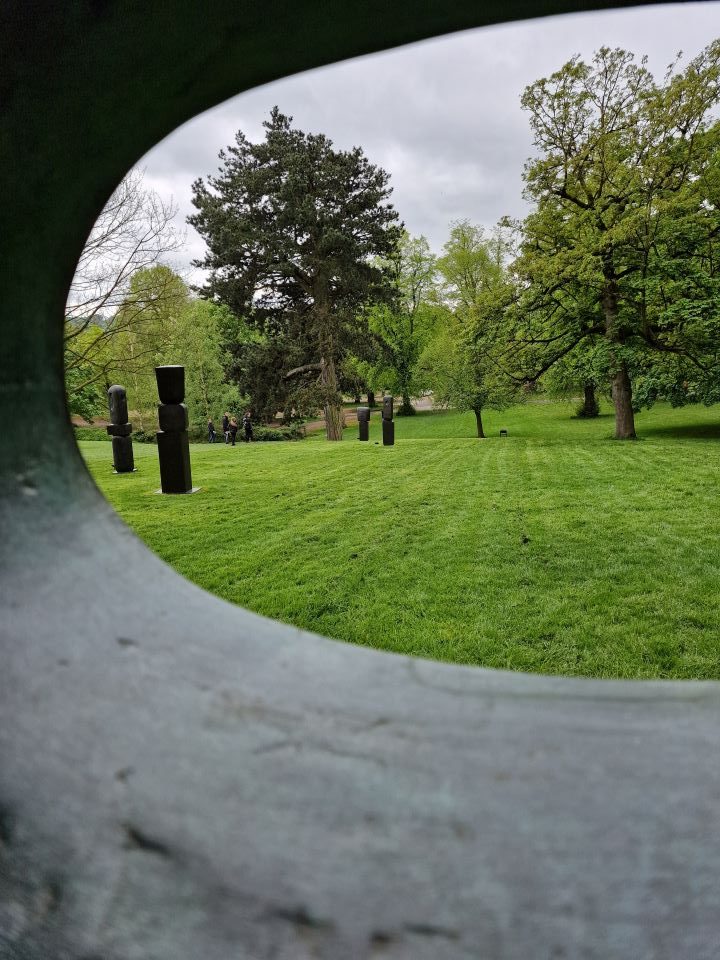
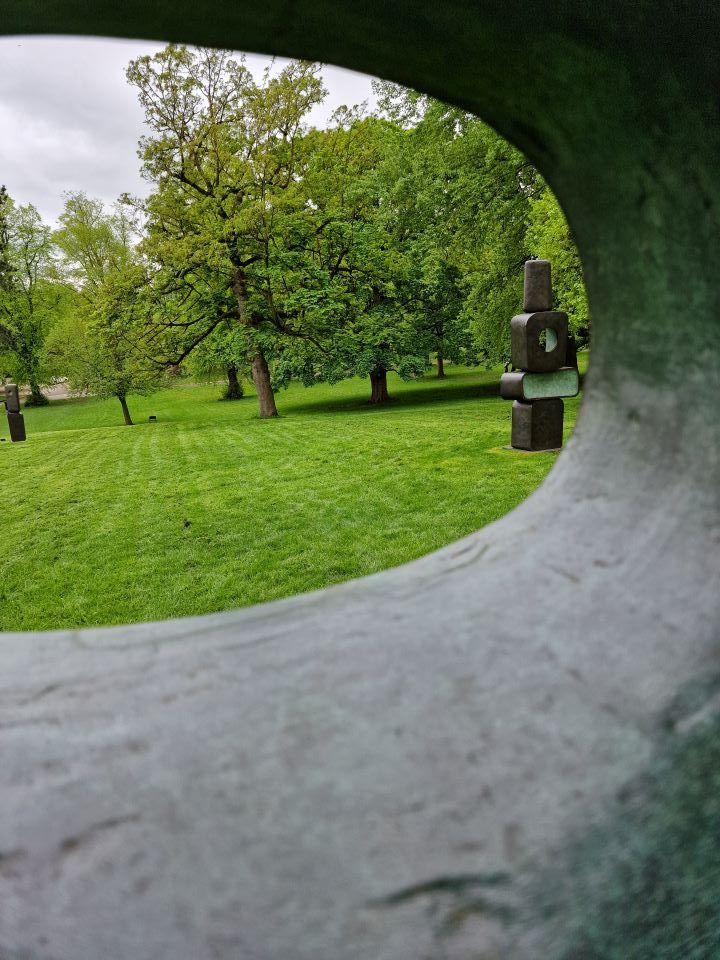
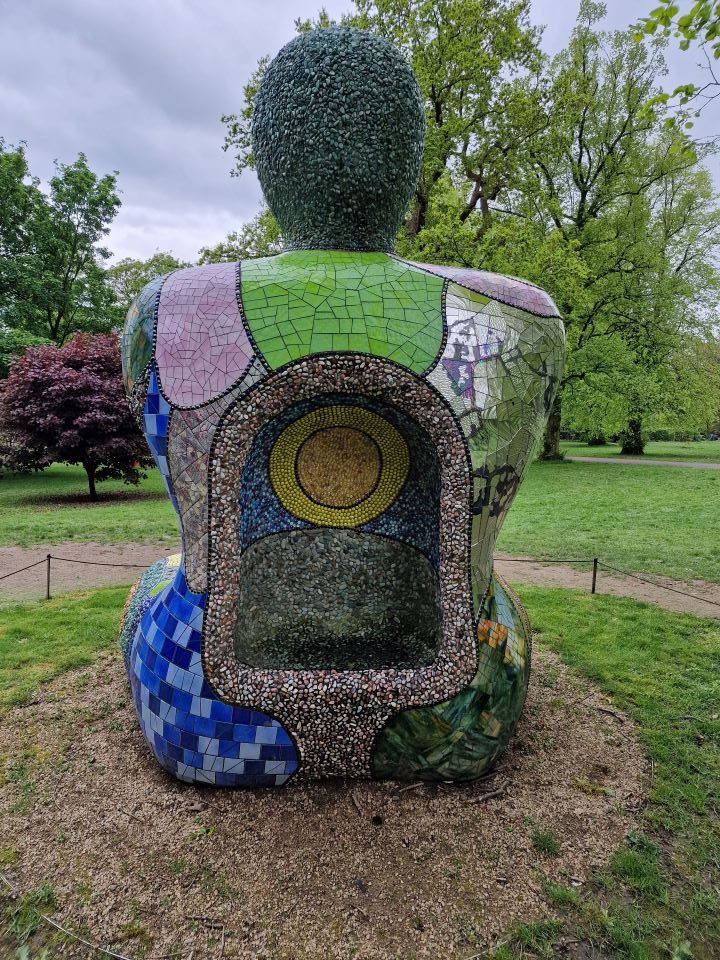
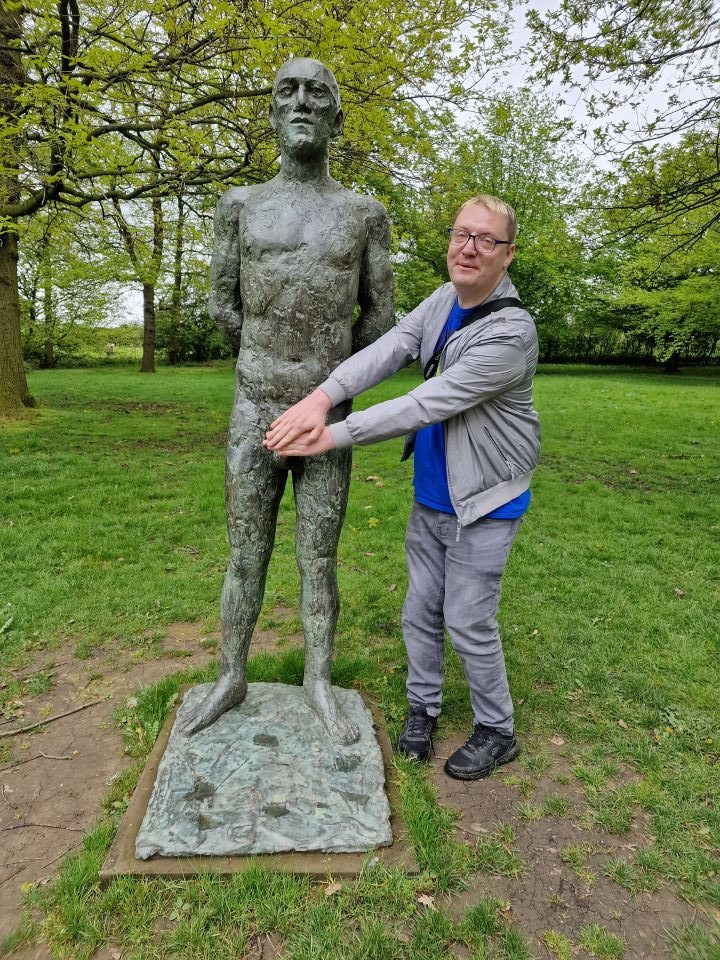
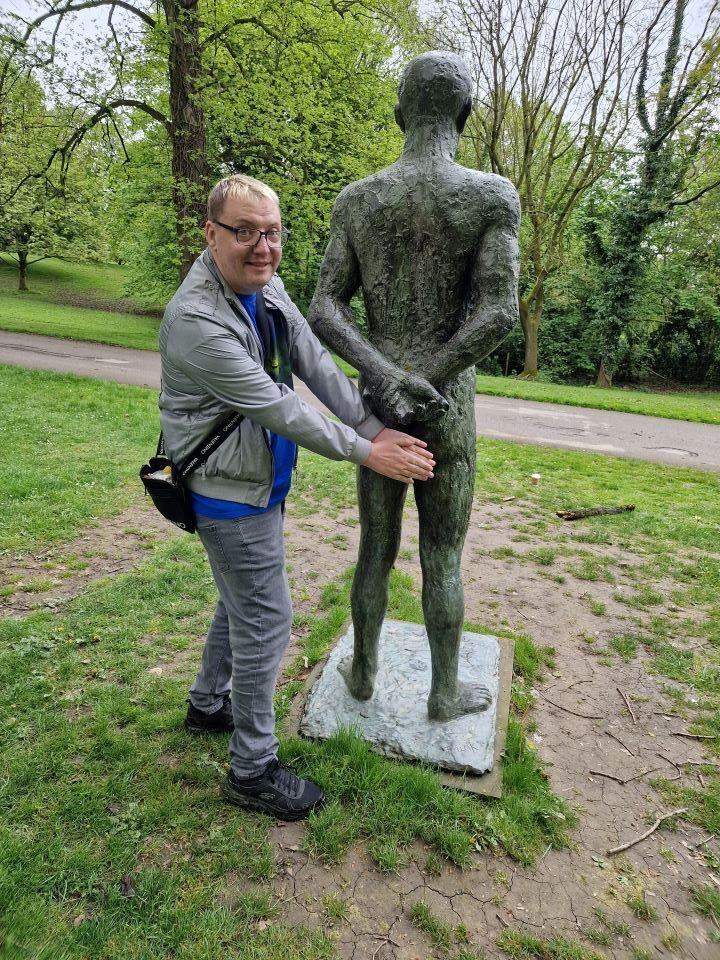
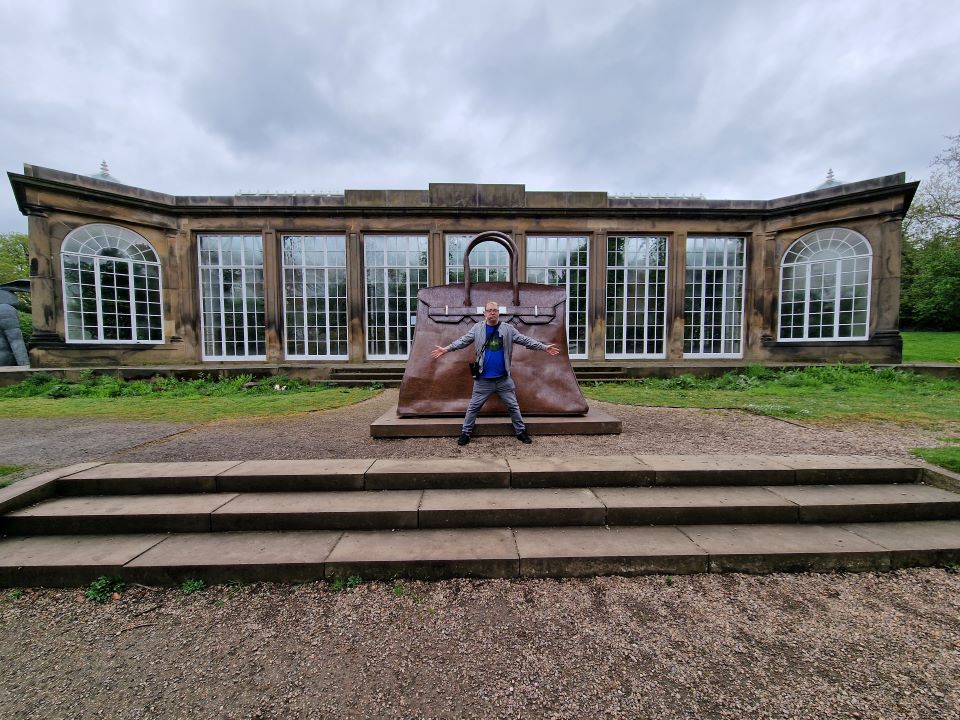
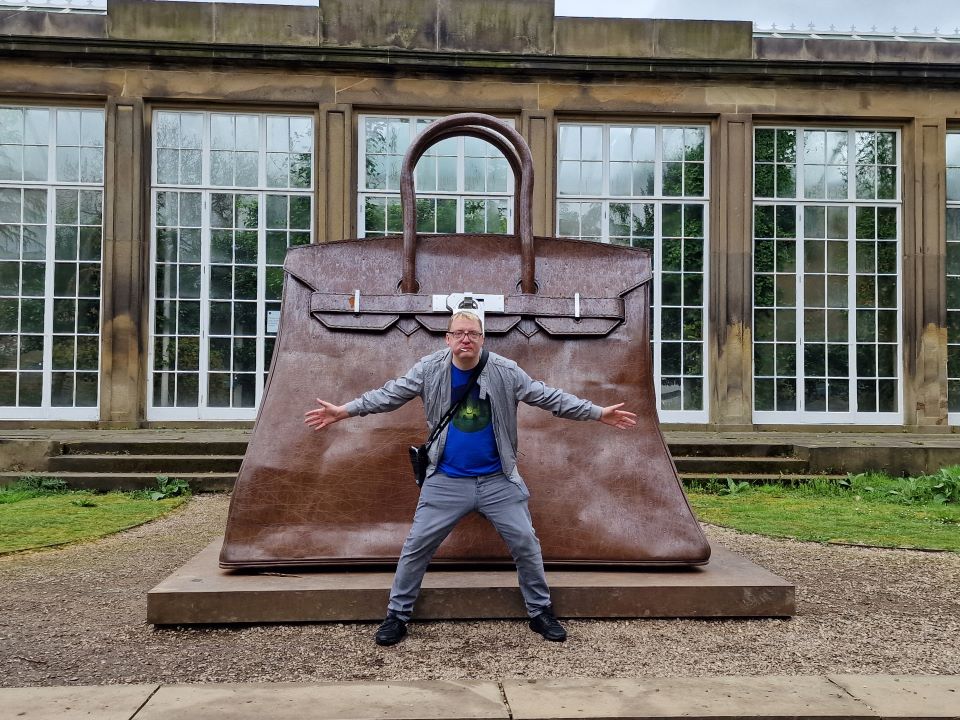
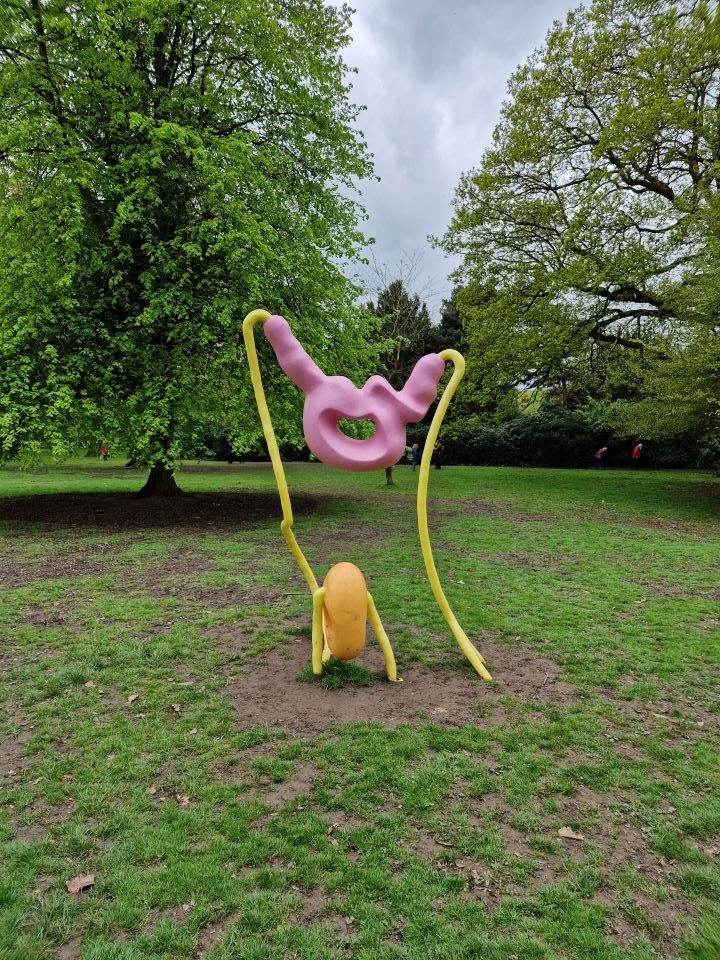
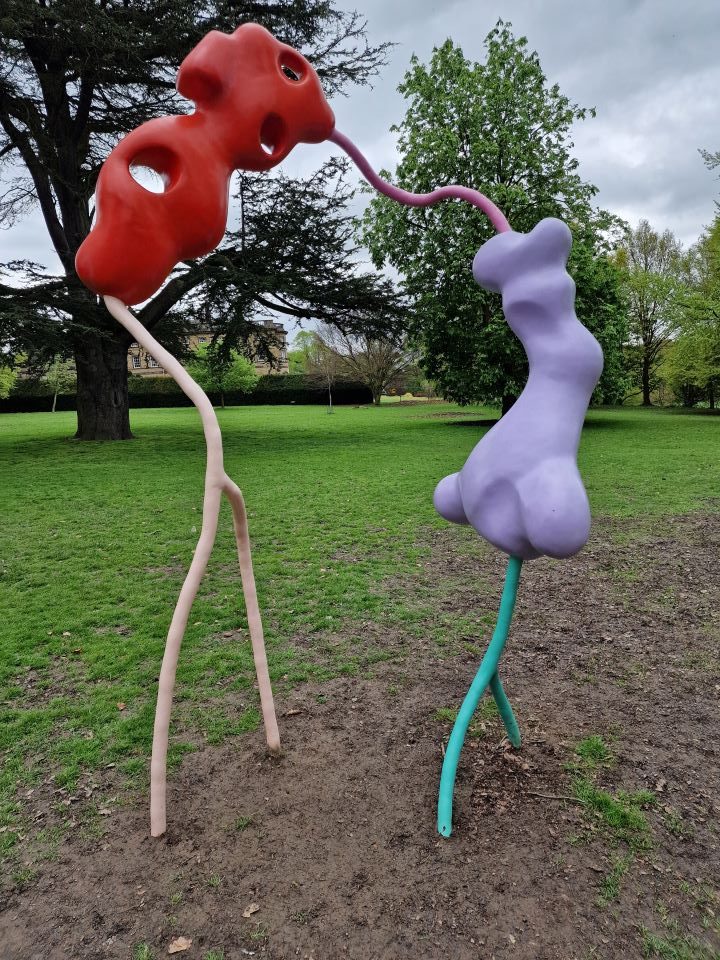
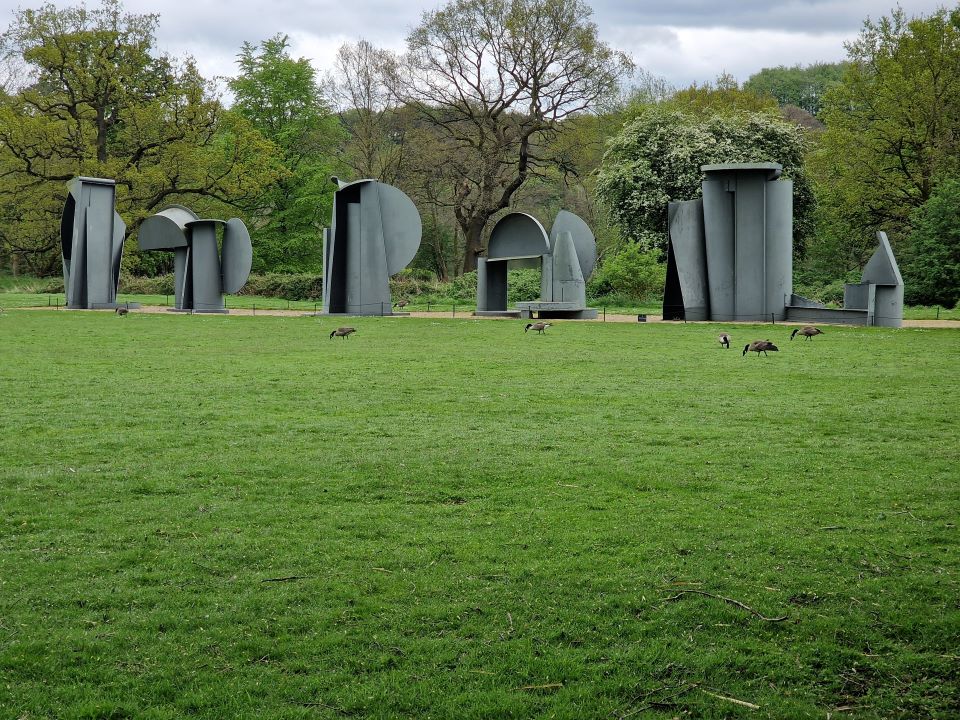
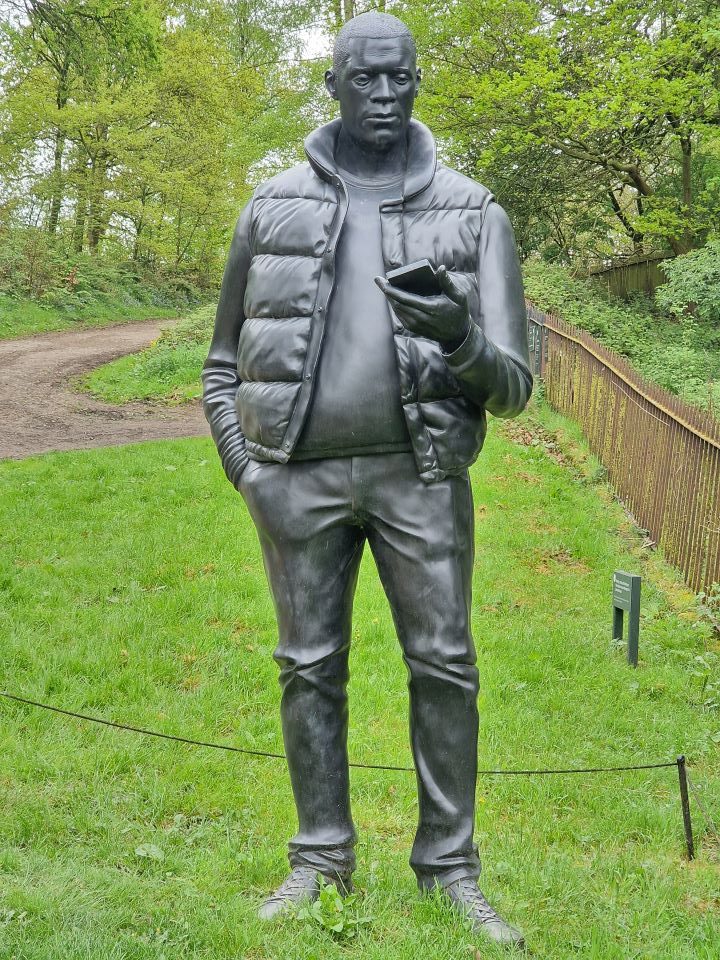
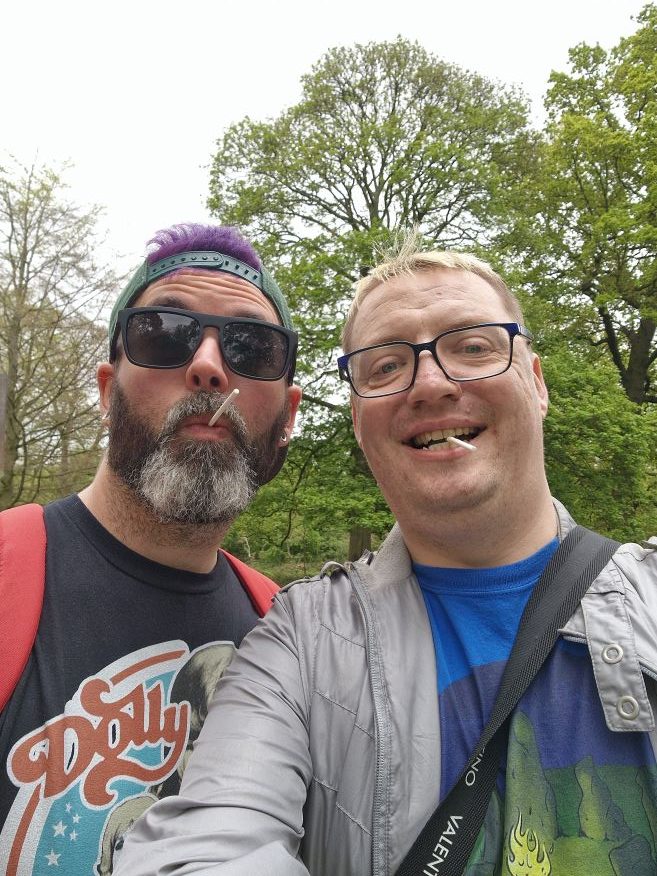
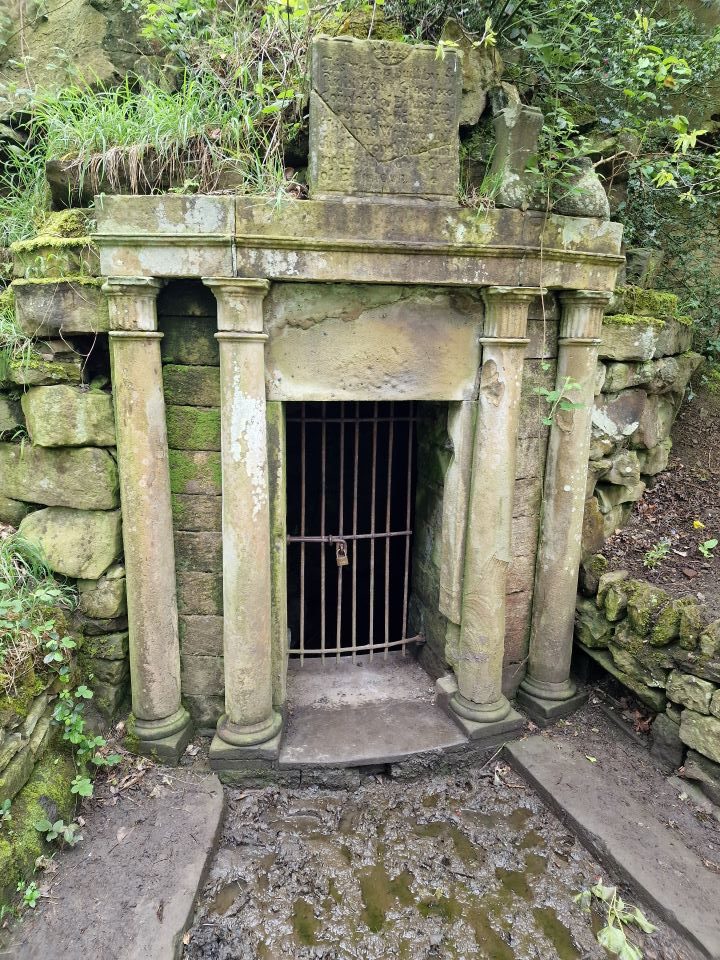
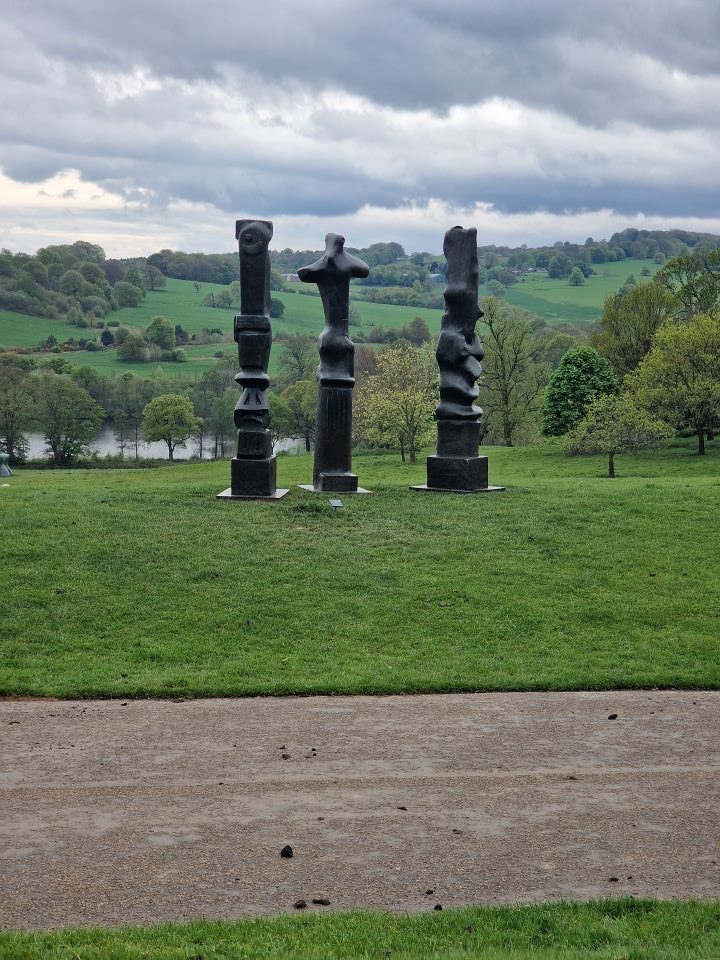
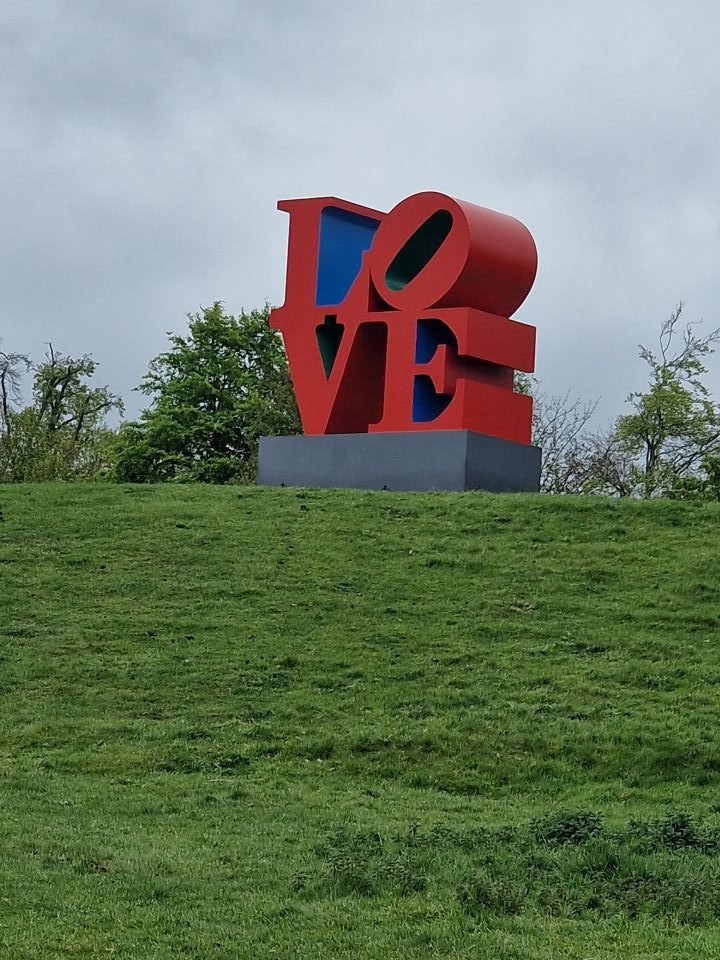
I think that’s the word. I needed a distraction after my recent Nasal Surgery. So my good and dear friend Sye and I went to Yorkshire Sculpture Park. Yorkshire Sculpture Park is exactly what it says on the tin.
Here are some photos from our day:
The Hall.A beautiful tree.Sculpture 1.Sculpture 2.Sculpture 3.Sculpture 4.Sculpture 5.Sculpture 6.Sculpture 7.Sculpture 8.The roof of a hit.Me with a GIANT bag 1.Me with a GIANT bag 2.Sculpture 9.Sculpture 10.Sculpture 11.Sculpture 12.Sye and me (selfie).A Well.Sculpture 13.Sculpture 14.
Open 10:00-17:00 with the exception of Christmas & Boxing Days.
Has toilets, restaurant, coffee shop and gift shop.
Good for walks of all lengths.
Blog soon,
Antony
Share on Social Media:
Saturday 4 May 2024
About
Antony Simpson - Author, Blogger, Nurse & Witch.
Author of nine books.
Categories
Amazon
Antony Simpson is a participant in the Amazon EU Associates Programme, an affiliate advertising programme designed to provide a means for sites to earn advertising fees by advertising and linking to Amazon.co.uk.