emotional pain

There’s Nothing Quite Like Tooth Pain
Reading Time: 3 minutes

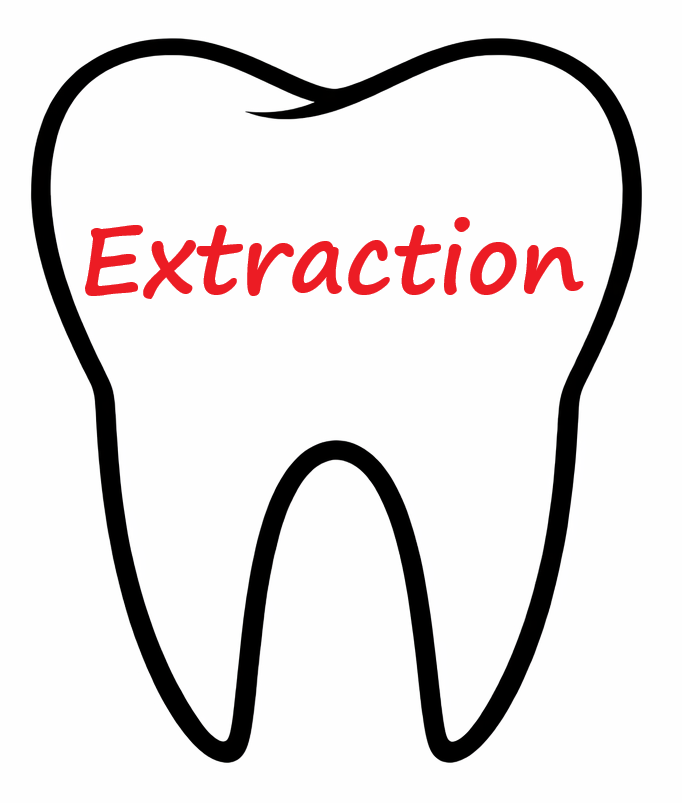
Last weekend, I had a Rituximab infusion aimed at keeping my vasculitis in remission. Then on Tuesday I started with pain in my lower jar and noticed that part of one of my wisdom teeth had broken away. I got an emergency Dentist appointment on Wednesday and had to have the tooth extracted.

Before the extraction and since, I’ve had pain in my lower jaw and face. There’s nothing quite like tooth pain is there? This actually reminds me what I’ve written about pain, in FINDING YOUR HAPPINESS:

Your Pain

Part of being alive is experiencing pain. There are different types of pain. Pain can be physical, mental or emotional. Any type of pain reduces your quality of life and will make you less happy.

You should address any pain promptly, to prevent it from getting worse and to promote healing.

Physical Pain
Physical pain is often managed, rather than cured or healed. Pain management can involve medications, exercises and sometimes surgery. Physical pain can be acute (coming on suddenly and is short term) or chronic (long term).

Acute physical pain is a sign that something is wrong inside your body. Chronic pain is caused by diseases and disorders inside your body. If you’re in physical pain, I highly recommend that you see your GP.

Your GP will complete an assessment, tests/investigations to work out the cause of the pain and work with you to develop a treatment plan.

A good example of physical pain is a broken leg. Imagine you fall and break your leg. You are in pain and seek medical attention. You have an x-ray that confirms the broken bone. You have surgery to repair it.
After surgery you have a period of immobilisation to allow the bone to heal and then have physiotherapy to regain muscle strength.

Within 3-6 months you are back to doing everything you used to do before the injury. Walking, running and dancing. Your leg is healed. You are healed.

Mental Pain
We don’t know enough about mental pain. Sometimes mental pain is managed, sometimes it is healed.

Mental pain is caused by mental illnesses. Sometimes mental illnesses run in families, suggesting that the cause could be genetic. Sometimes mental illnesses are caused by life events.

There are many different types of mental illnesses, some are acute and some are chronic. Examples of mental illnesses include anxiety, depression, bipolar and schizophrenia.

It can be difficult for a doctor to diagnose mental illnesses due to similar symptoms. Even Psychiatrists (doctors that specialise in mental health) have difficulty diagnosing mental illnesses.

Diagnosis of mental illnesses can take a significant amount of time. There’s no blood test or scans that can be completed to confirm whether an individual has mental illnesses or not, let alone which specific mental illness they have.

I would highly recommend that you see your GP if you are experiencing mental pain.

If you’re experiencing mental pain, don’t wait for a diagnosis. Start to manage your symptoms immediately, to the best of your ability.

In some cases people can fully recover from mental pain/illnesses. Whereas in other cases it is about long term management of symptoms.

Recovery from mental pain/illnesses doesn’t have set timescales. It usually takes months to years, depending on the individual and the circumstances. But every year many people do recover from mental pain/illnesses.

Emotional Pain
A conversation about emotional pain in western healthcare is not currently happening, but it needs to.

Symptoms of Pain
With all types of pain you will have a combination of physical, mental and emotional symptoms. Let me give you an example of this from my own life.

I once had severe stomach pains. They’d come and go, but were incredibly painful when present. I went to see my GP and had a range of tests/investigations. Everything came back normal.

However physically, my body always felt tight. Sometimes my chest felt tight, like it was difficult to breathe. At these times, my heart beat fast and I sweated excessively.

Eventually my GP diagnosed me with anxiety, a mental illness. I was prescribed medication and referred for therapy. It took several years, but I came to realise that my anxiety was often caused by my emotional state. Fear seemed to frequently trigger my anxiety.

I realised that in order to effectively treat my anxiety, I needed to address the fear. So that’s what I did.

Whatever symptoms of pain you have it is essential that you work out what it is and address the cause(s).

(From: FINDING YOUR HAPPINESS by Antony Simpson, 2026, pages 55-57.)

I’m currently on antibiotics and prescription painkillers. So I will be taking it easy this weekend.

Blog soon,

Antony

Share on Social Media:
Health, , , , , , , , , , , , , , , , , , , ,

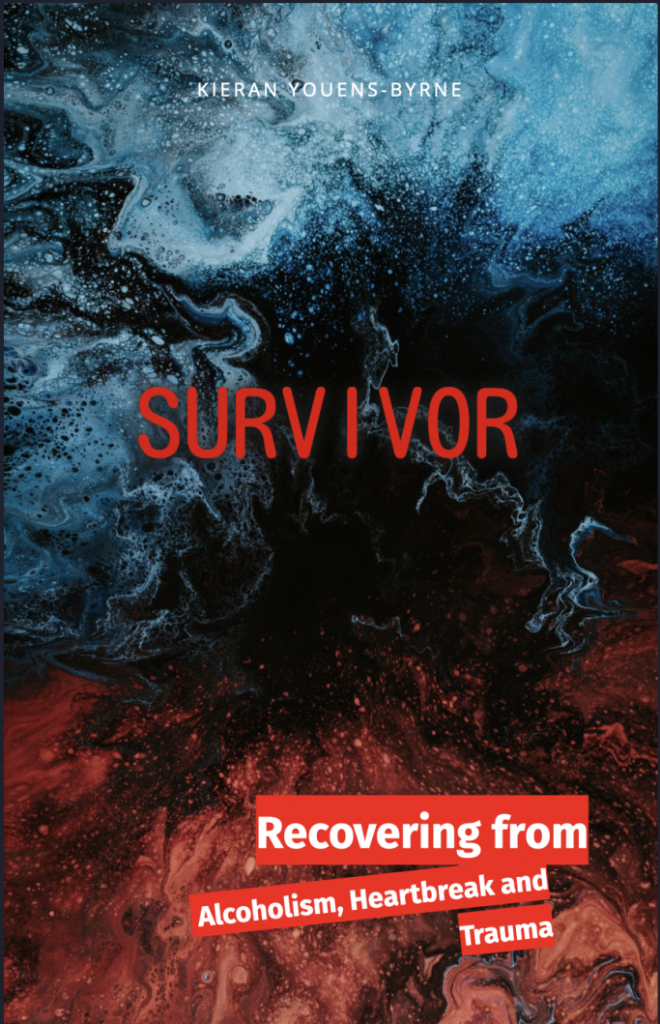
Book Review: Survivor – Recovering from Alcoholism, Heartbreak and Trauma by Kieran Youens-Byrne

Reading Time: 2 minutes

Survivor: Recovering from Alcoholism, Heartbreak and Trauma is an exceptional and heart touching memoir by Kieran Youens-Bryne.

In Survivor, Kieran shares his journey through addiction to alcohol, his heartbreak at ending his marriage to a narcissist and his emotional traumas from his earlier years.

It is a wonderfully inspiring read and includes literature in its various forms including poems, essays, quotes and even a playlist. The title of his book sums him up completely: Kieran is a survivor.

Kieran covers every aspect of where his addiction to alcohol took him, from his very first taste of an alcoholic drink, through the dark depths of active addiction and withdrawal and out the other end and into active recovery. Along the way he shared what worked for him, what didn’t and all the things he learned along the way.

Survivor is an brilliantly honest account of where addiction/dependency, a narcissistic partner and past traumas can lead to a person. But it is uplifting at the same time.

The book is written in an easy to read and engaging style. It demonstrates Kieran’s unique writers voice and is a piece of creative work that he should be very proud of.

I am pleased to report that Kieran’ story also has a satisfying happy ending. Kieran gets sober, at the time of writing this review he has been sober for more than a year. In the year sober, Kieran has completely transformed his life.

Kieran has rebuilt his confidence and self-esteem destroyed by his narcissistic ex-partner. Kieran has rediscovered his formally oppressed identity and learned to love himself once again. Kieran has faced past traumas and began working on healing and letting go of these traumas.

Kieran has gone on to write, edit and publish a further book titled Recovered, that I can’t wait to read. He is healthy and happy. I can’t wait to see what this amazing man does next.

Review soon,

Antony

Support

I recognise that people visiting this page/post might want to know where they can get support.
If you require support around your mental health, addiction or physical health, see this Support page here.

mental-health-wisdom-banner
Share on Social Media:
Amazon, Books & Authors, Reviews, , , , , , , , , , , , , , , , , , , , ,

Import: My ‘Naked’ Confession

Reading Time: 2 minutesI’ve got a confession to make, but first let me tell you a bit about myself. I’m a gay man, twenty-seven year old and a professional. I’ve been single for the last 3 years following a bad breakup.

Here’s my confession: I don’t like to be naked.

Let me explain, it’s not that I mind being naked per se, just being naked in front of other gay men. A boyfriend is different – as long as he gives me the time to get comfortable being naked with him. But it hasn’t always been this way.

Like most teenagers I was body conscious, although it is probably better described as body paranoia. I remember hating PE at school, not just because of the sports but because of the changing rooms as well. I felt awkwardly self-conscious as I changed and had to be careful that the other boys didn’t catch my wondering eyes.

By the time I was in my late teens, I’d left school and attitude to my body and being naked had completely changed. At this time you could have almost described me as an exhibitionist. I enjoyed being naked, especially with other gay men.

As an adult I got into relationships with men, all of which for various reasons didn’t work out. I began to associate being naked with the feelings of emotional pain, heartbreak and vulnerability that inevitably followed. And I don’t handle vulnerability well – insert copious amounts of crying alone in private.

I’ve worked hard to get over these feelings and I thought I’d had some success. But I recently realised that I’ve regressed. I’m body conscious again and to make matters worse am still fearful of being naked because of my own associated feelings of vulnerability.

I’ve decided its time to take drastic action. I need to get naked around other gay men. I had a think about where it was going to be socially acceptable to get naked and where other gay men would be suitably naked. It won’t surprise you, when I tell you I struggled to think of a place. Most of the gay places I thought of are pubs or clubs and these tend to have a dress code that requires some form of clothing.

Until one day I had a eureka moment – how about a gay sauna? Yes, they may require towels but it is as close as I’m going to get. It’s certainly naked enough to bring those uncomfortable feelings to the surface. I’ve never been to a sauna of any description. So I’ve read up on other people’s experiences and sauna etiquette, but haven’t been brave enough to go into one yet.

However over the next month I’ve set myself the challenge to go into a gay sauna and will write about the experience in next month’s column entitled: ‘Getting Over Being Naked: My Sauna Experience.’ Wish me luck.

Published by: The Gay UK on Tuesday 27th August 2013.

Share on Social Media:
Creativity, Journalism, , , , , , , , , , , , , , , , , , , , ,
Scroll to Top
×