vasculitis

There’s Nothing Quite Like Tooth Pain

Reading Time: 3 minutes

Last weekend, I had a Rituximab infusion aimed at keeping my vasculitis in remission. Then on Tuesday I started with pain in my lower jar and noticed that part of one of my wisdom teeth had broken away. I got an emergency Dentist appointment on Wednesday and had to have the tooth extracted.

Before the extraction and since, I’ve had pain in my lower jaw and face. There’s nothing quite like tooth pain is there? This actually reminds me what I’ve written about pain, in FINDING YOUR HAPPINESS:

Your Pain

Part of being alive is experiencing pain. There are different types of pain. Pain can be physical, mental or emotional. Any type of pain reduces your quality of life and will make you less happy.

You should address any pain promptly, to prevent it from getting worse and to promote healing.

Physical Pain
Physical pain is often managed, rather than cured or healed. Pain management can involve medications, exercises and sometimes surgery. Physical pain can be acute (coming on suddenly and is short term) or chronic (long term).

Acute physical pain is a sign that something is wrong inside your body. Chronic pain is caused by diseases and disorders inside your body. If you’re in physical pain, I highly recommend that you see your GP.

Your GP will complete an assessment, tests/investigations to work out the cause of the pain and work with you to develop a treatment plan.

A good example of physical pain is a broken leg. Imagine you fall and break your leg. You are in pain and seek medical attention. You have an x-ray that confirms the broken bone. You have surgery to repair it.
After surgery you have a period of immobilisation to allow the bone to heal and then have physiotherapy to regain muscle strength.

Within 3-6 months you are back to doing everything you used to do before the injury. Walking, running and dancing. Your leg is healed. You are healed.

Mental Pain
We don’t know enough about mental pain. Sometimes mental pain is managed, sometimes it is healed.

Mental pain is caused by mental illnesses. Sometimes mental illnesses run in families, suggesting that the cause could be genetic. Sometimes mental illnesses are caused by life events.

There are many different types of mental illnesses, some are acute and some are chronic. Examples of mental illnesses include anxiety, depression, bipolar and schizophrenia.

It can be difficult for a doctor to diagnose mental illnesses due to similar symptoms. Even Psychiatrists (doctors that specialise in mental health) have difficulty diagnosing mental illnesses.

Diagnosis of mental illnesses can take a significant amount of time. There’s no blood test or scans that can be completed to confirm whether an individual has mental illnesses or not, let alone which specific mental illness they have.

I would highly recommend that you see your GP if you are experiencing mental pain.

If you’re experiencing mental pain, don’t wait for a diagnosis. Start to manage your symptoms immediately, to the best of your ability.

In some cases people can fully recover from mental pain/illnesses. Whereas in other cases it is about long term management of symptoms.

Recovery from mental pain/illnesses doesn’t have set timescales. It usually takes months to years, depending on the individual and the circumstances. But every year many people do recover from mental pain/illnesses.

Emotional Pain
A conversation about emotional pain in western healthcare is not currently happening, but it needs to.

Symptoms of Pain
With all types of pain you will have a combination of physical, mental and emotional symptoms. Let me give you an example of this from my own life.

I once had severe stomach pains. They’d come and go, but were incredibly painful when present. I went to see my GP and had a range of tests/investigations. Everything came back normal.

However physically, my body always felt tight. Sometimes my chest felt tight, like it was difficult to breathe. At these times, my heart beat fast and I sweated excessively.

Eventually my GP diagnosed me with anxiety, a mental illness. I was prescribed medication and referred for therapy. It took several years, but I came to realise that my anxiety was often caused by my emotional state. Fear seemed to frequently trigger my anxiety.

I realised that in order to effectively treat my anxiety, I needed to address the fear. So that’s what I did.

Whatever symptoms of pain you have it is essential that you work out what it is and address the cause(s).

(From: FINDING YOUR HAPPINESS by Antony Simpson, 2026, pages 55-57.)

I’m currently on antibiotics and prescription painkillers. So I will be taking it easy this weekend.

Blog soon,

Antony

Share on Social Media:
Health, , , , , , , , , , , , , , , , , , , ,

The BIG 4-0

Reading Time: < 1 minute

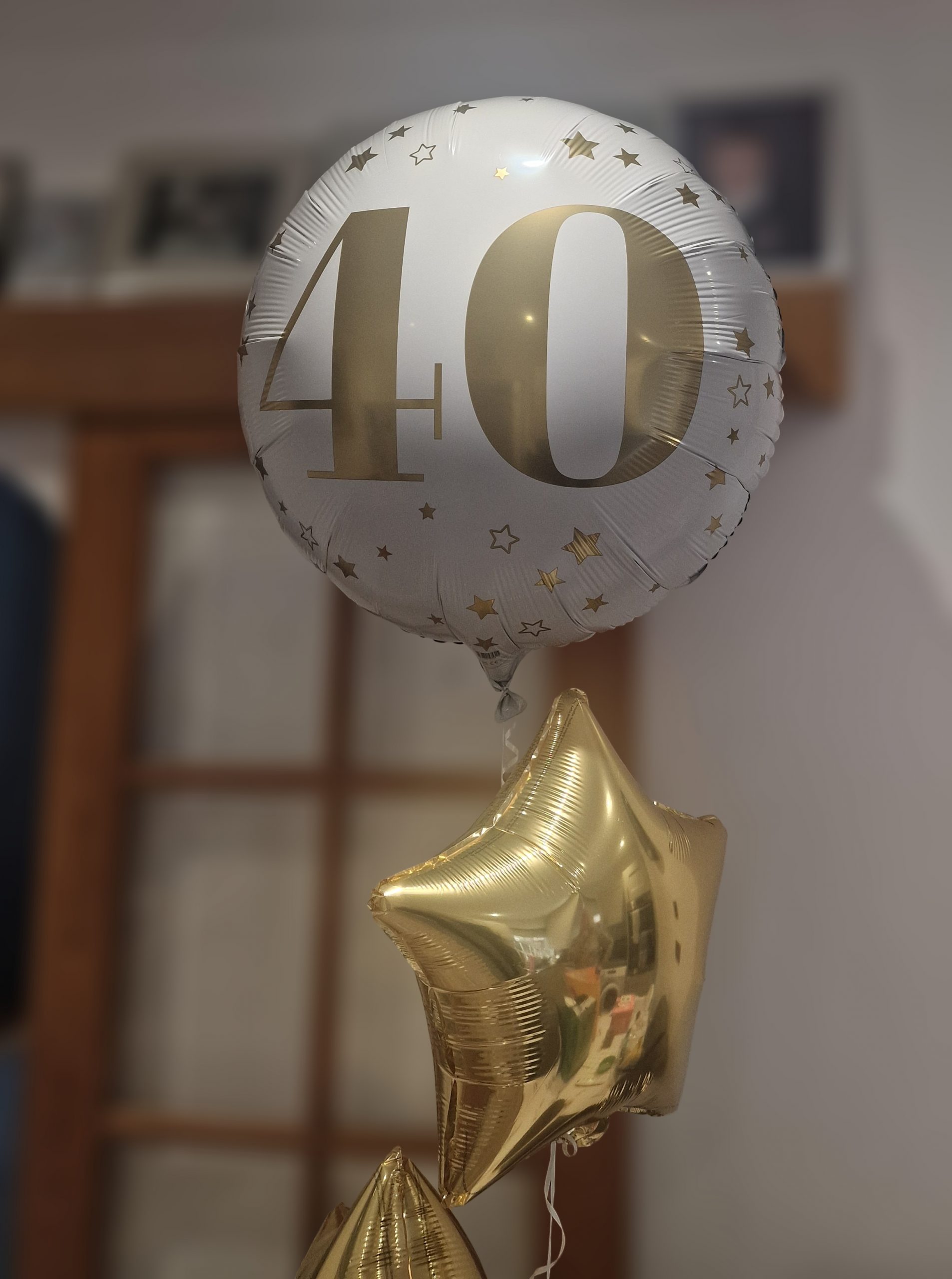
Last week was my 40th birthday. Just before my birthday, I’d had some good news about my vasculitis. My birthday celebrations were low-key this year, mum, papa and I went out for a meal, followed by unicorn cake.

I’m going to be honest, I never thought I’d make it to the BIG 4-0. But I am pleased that I have. I am as healthy as I can be (given my type 1 diabetes and vasculitis) and the happiest I have ever been.

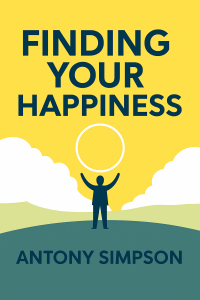
In April (2026) I published my latest book FINDING YOUR HAPPINESS, which covers:

  • My Journey to Happiness.
  • The Secret to Happiness.
  • Understanding You.
  • Where You Are Right Now.
  • Planning For Happiness.
  • Taking Action For Happiness.
  • Maintaining Happiness.
  • Dealing with Challenges to Happiness.
  • Your Happy Life.

My hope is that FINDING YOUR HAPPINESS leads readers to transform their lives, giving readers the knowledge and skills to lead a life filled with happiness and joy. The 167 page, full-colour book will take an average reader 5.5-7.5 hours to read.

Write soon,

Antony

More Content From Antony

Here are the books that Antony has published, click any cover to learn more:

Share on Social Media:
Books & Authors, Creativity, Friends & Family, Happiness & Joy, Life, Thinking, , , , , , , , , , , , , , , , , ,

Health Update: Vasculitis Remission, Blood Sugar Reduction (Type 1 Diabetes) and the Hole in the Roof of My Mouth

Reading Time: 2 minutes

I am pleased to announce that my vasculitis is in remission (see this page on Vasculitis UK for more information). This means that there are no active signs of the disease and my blood results show no signs of inflammation.

This is thanks to the excellent care of the Specialist Doctors in the NHS and the Rituximab infusions provided by the NHS.

All of the care I have received from NHS Staff has been nothing short of exceptional. Staff have been kind and compassionate. They have delivered safe, high quality and evidenced-based care.

The care has been driven by clinical need, without staff having to worry about the cost and without me having to worry about my ability to pay. I am beyond grateful.

My blood sugars have continued to reduce with my Hba1C currently being 52. My Hba1C was 58 in February 2025 and 99 before that. My Medtronic insulin pump (the MiniMed 780G) has played a massive role in this reduction, but so have better diet, increased exercise and loss of a bit of weight.

I have come off all medications, apart from insulin. This includes medications for high blood pressure, high cholesterol and mental health medications. I have made a number of changes to my life to become the happiest that I have ever been.

The hole in the roof of my mouth has gotten slightly bigger, now being about 1cm in size. However given the improvements to my overall health and the fact that the vasculitis is now in remission, the surgeon is keen to repair the hole in the roof of my mouth in the coming months.

That’s about it for my health update. Write soon,

Antony

Share on Social Media:
Happiness & Joy, Health, , , , , , , , , , , , , , , ,

Why I Wrote FINDING YOUR HAPPINESS

Reading Time: 3 minutes

Dearest Reader,

I recently released my latest book FINDING YOUR HAPPINESS. I wanted to share with you why I wrote it. To do so, I need to tell you part of my story. So, here goes:

Nearly 2 years ago now, after two years of being physically and mentally ill, I was diagnosed with Vasculitis.

Vasculitis is an autoimmune disease, where your immune system wrongly mistakes small blood vessels for foreign cells and attacks them. The vasculitis diagnosis came with a reduced average life expectancy.

The average life expectancy for someone with Vasculitis is 20 years from the point of diagnosis. This meant I had just 20 years of life left. I was 38 years old at the time of diagnosis.

This shortened life expectancy caused me to ask myself: Are you happy? The answer was no.

I have Type 1 Diabetes and was slightly overweight. My blood sugars were always too high. I had high blood pressure and high cholesterol. I was on two different antidepressants and an antipsychotic medication. I didn’t have time, energy or motivation to exercise. I didn’t eat well or sleep well.

I was working in the National Health Service (NHS) as an Alcohol Specialist Nurse. I enjoyed my face to face work supporting people with addiction issues. But the ever increasing workload and other stressors made me unhappy at work.

My relationships with family or friends were good. Or at least, at the time, I thought so. I spent a lot of my time with family or friends trying to meet their expectations of me – to be entertaining and funny, to be there to support them in difficult times, to take care of them. This is what I thought a good relative or friend did.

I didn’t have a partner. I didn’t go out on dates. In truth, I’d given up on romantic love. I’d decided that I just wasn’t lucky in that department.

Despite being a Specialist Nurse on a decent salary, money was always tight. When I really thought about it: I was very unhappy. I felt like I was existing, rather than living.

I decided to use my own counselling skills developed in the 18+ years working with people with addiction issues to counsel myself. I decided to look at my entire life, every aspect of it, and ask myself: What would make you happier?Then I would make the necessary changes. It was a daunting task.

Sometimes, it is easier to be stuck in an unhappy and unfulfilling rut, rather than be brave and face the truth. Especially when facing and accepting where I was in my life. This involved acknowledging the unhappiness and beginning to make changes.

Change is always uncomfortable and sometimes even difficult. Our brains like patterns of behaviour, they are key to our survival as a species. But patterns of behaviour are not key to a healthier and happier life.

So I got counselling. In my eyes, the Counsellor had two roles. The first was to ensure I kept being honest with myself. The second was to ensure that I made the changes that needed to be made.

I explored every aspect of my life. I started making changes. After nearly two years of hard work, I can finally say that: I am the happiest I have ever been.

Transformation complete? No. True happiness is a constantly evolving and ever changing process. One that requires daily checking in with yourself, navigating through the challenges of life and continuous work to ensure you stay as healthy and happy as possible.

Take a moment to think about a time your past when you were truly happy. Imagine living every day with that same feeling of happiness. This is why I wrote FINDING YOUR HAPPINESS, because everyone deserves to live a happy life.

Take care,

Antony

Share on Social Media:
Books & Authors, Creativity, Friends & Family, Happiness & Joy, Health, Life, , , , , , , , , , , , , , , , , , , , ,
Scroll to Top
×