In January, everything stopped. I stopped being able to function and was ill. The truth is that I had been ill for a long time before this, but that I had continued to solider on – hoping that I would start to feel better.
Here were some of my symptoms: No concentration span. I wasn’t able to watch TV or films, read or write. I didn’t feel safe to drive, so I didn’t. Short term memory loss.
Feeling constantly exhausted despite sleeping for many, many hours. Some insomnia and night terrors. Back pain – despite resting and regularly completing physiotherapy exercises. Head aches. Stomach ache/constipation despite eating a reasonably good diet. Poor personal hygiene and not cleaning my home environment. Overeating or forcing myself to eat despite feeling that I didn’t want to. No motivation – I found it extremely difficult and tiring to do the smallest of tasks. Reckless spending of money – mostly through online shopping. Any extremely variable mood which changed throughout the day and night. From being void of any feelings to a tornado of fast swirling feelings including: guilt, inadequacy and feeling like a failure. Anxiety – resulting in becoming antisocial and finding it difficult to leave home. Worry and panic about what people would think of me. Feeling hopeless, which is the worst feeling in the world. Feeling like I was loosing my mind. Feeling like I was falling down a dark bottomless pit. Feeling frustrated at not being able to snap out of it and that nothing I did made a difference to how I felt or my ability to function. Overly self-critical thoughts and zero self esteem. A critical inner voice that was loud and repetitive. At two particularly bad points I suffered from compulsions to end my life. In short, feeling like my mind, body and soul were being devoured and destroyed by this illness.
So I went to see my GP who completed the PHQ depression test and diagnosed me with severe clinical depression. At several points throughout my treatment, this test was repeated to check on my progress. At one point, I was scoring 24 out of a possible 27. My GP started me on antidepressants and encouraged me to self-refer for counselling.
The first antidepressant didn’t work, despite gradually increasing the dose to the maximum. Apparently this is really common, happening to at least 50% of people. So my GP gradually withdrew the first antidepressant and then started me on another – which thankfully is working. I self-referred to counselling, had an assessment and to this date am still on the waiting list.
January to May has felt like a write-off in every sense of the word. But I feel extremely lucky to have made it through this dark and difficult time. What’s that phrase? Ah yes…I believe I made it through by the skin on my teeth.
Looking back, I’ve had depressive tendencies for at least the last few years. I’ve been rubbish at spotting the symptoms in myself, but am much more aware of signs, symptoms and triggers now.
I’m still in recovery and it is a gradual process. I’m still on the antidepressants and will be for sometime. I’ve started taking multivitamins to make sure my body and mind is getting what it needs. But now I’m feeling good, better than I have felt in years. I’ve even started laughing again, proper belly laughs, which I haven’t done for what feels like forever.
Now I’m getting back to life. I’ve thanked those close to me for their support, love, care and kindness. I’ve gone back to work and realised that I have the most brilliant, amazing and fantastic work colleagues. They’ve been so supportive and I feel so lucky to work with such wonderful people.
I’ve wrote a series of Mental Health Focus blog posts to help to #EndTheStigma around mental health and to encourage others to talk openly and honestly about their own mental health. In this post I’ll give some information around common mental health conditions.
Addiction is a strong, uncontrollable need to take drugs, drink alcohol or carry out a particular activity such as gambling.
It becomes the most important thing in your life and leads to problems at home, work and school.
There’s no single reason why addictions develop. Regularly drinking alcohol or using other substances, or spending time gambling or on the internet (including porn sites), may be pleasurable or relaxing. Some people experience these feelings particularly intensely and have a strong desire to repeat them more often.
You’re more at risk of developing an addiction if:
– other members of your family have addiction problems
– you experienced stress or abuse while growing up
– you have mental health problems
(From: NHS Choices, Last Accessed on 28th December 2014)
Anxiety is a feeling of unease, such as worry or fear, that can be mild or severe.
Everyone has feelings of anxiety at some point in their life. For example, you may feel worried and anxious about sitting an exam or having a medical test or job interview. During times like these, feeling anxious can be perfectly normal.
However, some people find it hard to control their worries. Their feelings of anxiety are more constant and can often affect their daily life.
Anxiety is the main symptom of several conditions, including panic disorder, phobias, post-traumatic stress disorder and social anxiety disorder (social phobia).
(From: NHS Choices, Last Accessed on 28th December 2014)
Bipolar disorder, formerly known as manic depression, is a condition that affects your moods, which can swing from one extreme to another.
If you have bipolar disorder, you will have periods or episodes of:
– depression – where you feel very low and lethargic
– mania – where you feel very high and overactive (less severe mania is known as hypomania)
Symptoms of bipolar disorder depend on which mood you are experiencing. Unlike simple mood swings, each extreme episode of bipolar disorder can last for several weeks (or even longer), and some people may not experience a “normal” mood very often.
(From: NHS Choices, Last Accessed on 28th December 2014)
The death of someone close can be shattering. Everyone experiences grief differently; there is no ‘normal’ or ‘right’ way to grieve. How we react will be influenced by many different things, including our age and personality, our cultural background and religious beliefs, our previous experiences of
bereavement, our circumstances and how we cope with loss.
After a death you may initially feel shocked, numb, guilty, angry, afraid and full of pain. These feelings may change to feelings of longing, sadness, loneliness − even hopelessness and fear about the future.
These feelings are not unnatural, or wrong. They are all ‘normal’ reactions to what may be the most difficult experience of your life. Over time these feelings should lessen.
Depression is more than simply feeling unhappy or fed up for a few days.
We all go through spells of feeling down, but when you’re depressed you feel persistently sad for weeks or months, rather than just a few days.
Some people still think that depression is trivial and not a genuine health condition. They’re wrong. Depression is a real illness with real symptoms, and it’s not a sign of weakness or something you can “snap out of” by “pulling yourself together”…
Depression affects people in different ways and can cause a wide variety of symptoms.
They range from lasting feelings of sadness and hopelessness, to losing interest in the things you used to enjoy and feeling very tearful. Many people with depression also have symptoms of anxiety.
There can be physical symptoms too, such as feeling constantly tired, sleeping badly, having no appetite or sex drive, and complaining of various aches and pains.
The severity of the symptoms can vary. At its mildest, you may simply feel persistently low in spirit, while at its most severe depression can make you feel suicidal and that life is no longer worth living.
(From: NHS Choices, Last Accessed on 28th December 2014)
Eating disorders are characterised by an abnormal attitude towards food that causes someone to change their eating habits and behaviour.
A person with an eating disorder may focus excessively on their weight and shape, leading them to make unhealthy choices about food with damaging results to their health.
Types of eating disorders
Eating disorders include a range of conditions that can affect someone physically, psychologically and socially. The most common eating disorders are:
– anorexia nervosa – when someone tries to keep their weight as low as possible, for example by starving themselves or exercising excessively
– bulimia – when someone tries to control their weight by binge eating and then deliberately being sick or using laxatives (medication to help empty their bowels)
– binge eating – when someone feels compelled to overeat
Some people, particularly young people, may be diagnosed with an eating disorder not otherwise specified (EDNOS). This is means you have some, but not all, of the typical signs of eating disorders such as anorexia or bulimia.
(From: NHS Choices, Last Accessed on 28th December 2014)
Obsessive compulsive disorder (OCD) is a mental health condition where a person has obsessive thoughts and compulsive activity.
An obsession is an unwanted and unpleasant thought, image or urge that repeatedly enters a person’s mind, causing feelings of anxiety, disgust or unease.
A compulsion is a repetitive behaviour or mental act that someone feels they need to carry out to try to temporarily relieve the unpleasant feelings brought on by the obsessive thought.
For example, someone with a fear of their house being burgled may feel they need to check all the windows and doors are locked several times before they can leave the house.
OCD symptoms can range from mild to severe. Some people with OCD may spend an hour or so a day engaged in obsessive-compulsive thinking and behaviour, but for others the condition can completely take over their life.
(From: NHS Choices, Last Accessed on 28th December 2014)
Schizophrenia is a long-term mental health condition that causes a range of different psychological symptoms, including:
– hallucinations – hearing or seeing things that do not exist
– delusions – unusual beliefs not based on reality which often contradict the evidence
– muddled thoughts based on the hallucinations or delusions
– changes in behaviour
Doctors often describe schizophrenia as a psychotic illness. This means sometimes a person may not be able to distinguish their own thoughts and ideas from reality.
(From: NHS Choices, Last Accessed on 28th December 2014)
Stress is the feeling of being under too much mental or emotional pressure.
Pressure turns into stress when you feel unable to cope. People have different ways of reacting to stress, so a situation that feels stressful to one person may be motivating to someone else.
Many of life’s demands can cause stress, particularly work, relationships and money problems. And, when you feel stressed, it can get in the way of sorting out these demands, or can even affect everything you do.
Stress can affect how you feel, think, behave and how your body works. In fact, common signs of stress include sleeping problems, sweating, loss of appetite and difficulty concentrating.
You may feel anxious, irritable or low in self esteem, and you may have racing thoughts, worry constantly or go over things in your head. You may notice that you lose your temper more easily, drink more or act unreasonably.
You may also experience headaches, muscle tension or pain, or dizziness.
Stress causes a surge of hormones in your body. These stress hormones are released to enable you to deal with pressures or threats – the so-called “fight or flight” response.
Once the pressure or threat has passed, your stress hormone levels will usually return to normal. However, if you’re constantly under stress, these hormones will remain in your body, leading to the symptoms of stress.
(From: NHS Choices, Last Accessed on 28th December 2014)
If you are experiencing an episode of poor mental health, two useful websites are: Mind and SANE. If you are feeling suicidal please visit your nearest A&E Department for crisis support.
Support
I recognise that people visiting this page/post might want to know where they can get support. If you require support around your mental health, addiction or physical health, see this Support page here.
I hope to buy or be bought a JDRF onesie from Onesie Warehouse to make a further £5 donation.
After watching Tom Daley’s and Dustin Lance Black’s heart-felt Youtube video, I decided to donate. My donation supports The Human Rights Campaign in the US and The Brain Tumour Charity in the UK. Both worthy causes that deserve support.
Plus by donating I’ve got a chance to win a double date with Tom & Dustin which includes: a photoshoot, going on the London Eye, going for dinner with Tom & Dustin before being shown around some cool places in London by them.
I am seeing the results of The Health and Social Care Act (2012) on the NHS firsthand. We are quickly moving towards the American model of healthcare, driven by profit not medical need and I think it’s wrong. This film will hopefully show the general public the truth, which is being widely under reported in the media.
All these donations have been relatively small. But even small donations help, and if many people made small donations it would soon mount up.
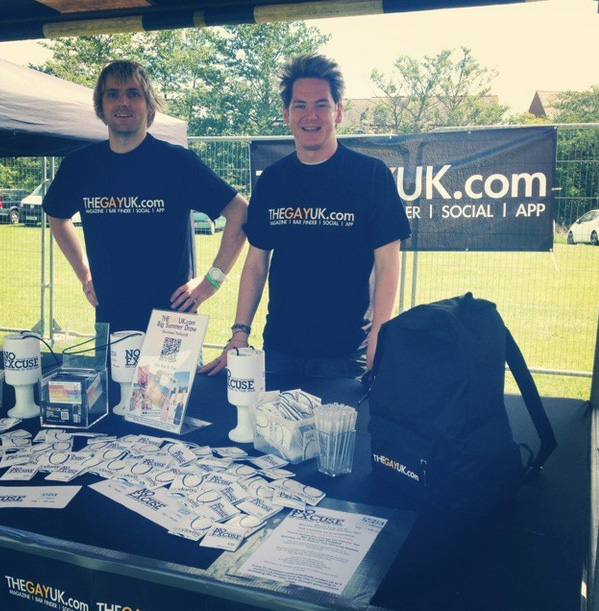
The Gay UK has recently launched it’s ‘No Excuses Project’ which aims to make sure that gay men never have any excuse not to use a condom. They’ve teamed up with NHS Freedom’s Shop to have condoms delivered to your door, through the post for free.
Here’s what Jake Hook, The Gay UK‘s had to say about the project: “I was watching Channel 4’s The Sex Clinic and it occurred to me that somehow we’re being failed as a community in relation to sex health education. With cuts to vital services and the upward trend of new HIV infections in the UK, either people aren’t freely able to access condoms or don’t know that they can dramatically make the sex you have safer.
“The day after the programme, I rang Katy Harrad at The Freedoms Shop and asked whether Freedoms would be able to help us out with condoms, luckily for us, she’s just as passionate about safer sex as we are.
“We’re working towards making sure that there is No Excuse – ever – not to have a condom in your home or pocket.”
Graham & Jake Co-Founders of The Gay UK
Generally gay pubs & clubs are good at giving out or having available free safe sex packs – but that’s only useful if you live close the venues. Sexual health clinics are also a good source of free condoms, but this relies on having the confidence to step through the door.
So this idea of having condoms delivered to your door, discreetly packaged and for free is a brilliant idea. The Gay UK have already got celebrity backing from stand-up comedian Pam Ann, who is reported to have said: “If it’s NOT ON… it’s NOT ON!” They’ve been to as many Pride Festivals as they can promoting the campaign including: Oxford, Edinburgh, Reading, North Wales, Gloucester, Warwickshire and Doncaster.
You can learn more about the ‘No Excuses Project’ and get your FREE condoms here: www.noexcuseproject.co.uk.
I’m so glad The Gay UK set up this sexual health campaign. I’m proud to write for and be involved with The Gay UK; a free gay online magazine which has an ever-growing readership and is already a huge success.
 No concentration span. I wasn’t able to watch TV or films, read or write. I didn’t feel safe to drive, so I didn’t.